
Kobarimasam Pulussu
A rich South Indian bone-in lamb curry gently simmered with potatoes in a spiced, velvety coconut gravy.
Browning spice
2.6 gAdded to the frying onions and lamb (step 1)Finishing spice
0 gStirred into the curry with the potatoes and coconut cream (step 3)Everything else

Method
- Warm 114 g vegetable oil in a large, heavy pot set over medium heat. Tip in 450 g onion, 2.5 g ginger, 12 g green chilli, 500 g lamb, and half of the browning spice. Fry everything together for roughly 15 minutes, stirring regularly, until the meat is evenly browned.
- Pour in 500 ml water, lower the heat, and cover. Let the curry simmer for 1 to 1½ hours until the meat is almost completely tender, splashing in a little extra water if the pan runs dry.
- Tumble in 600 g potato, 1.5 g curry leaf, 250 g coconut cream, salt to taste, the finishing spice, and the rest of the browning spice. Continue simmering until both the potatoes and lamb are soft and fully cooked through.
- Turn up the heat and let the gravy bubble vigorously until it thickens slightly, leaving approximately 375 ml of sauce around the meat.
Don't have something?


 Peanut oil
Use 1:1 by weight. Handles high-heat frying identically and introduces a very subtle, pleasant nuttiness.
 Ghee
Use 1:1 by weight. Yields a much richer, authentic aroma and a glossy, heavier mouthfeel.
 Mustard oil
Use 1:1 by weight. Heat until smoking, then cool slightly before cooking to temper its intensely pungent, sharp mustard kick.






 Fresh ginger
Use equal weight; scrape off the skin and grate or finely julienne according to the recipe.
 Ginger paste
Use equal weight; stir straight into the sizzling aromatics, taking care as the extra moisture may spit.
 Ground ginger
Use 15 to 20% of the weight; add alongside ground spices, noting it imparts warm, dry heat rather than zesty freshness.


 Chilli powder
Use 10 to 15% of the weight (about 1/4 teaspoon per chilli); imparts dry pungent heat and reddens the dish without the grassy crunch.
 Dried red chilli
Use 1 dried pod per fresh green chilli; snap in half and temper in hot oil for a deeper, toastier heat.


 Ground cumin
Use 50% of the weight mixed with equal parts ground coriander and a pinch of ground cinnamon, ground cloves, and ground green cardamom. Sprinkle near the end for a warming finish.
 Lentil stew spice mix
Use 75% of the weight. Simmer briefly in the gravy; imparts roasted warmth and complexity, though it adds a slight tang and earthy lentil undertone.


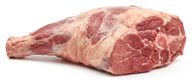
 Leg of spring lamb
Use the same weight; younger and tenderer, so reduce cooking by 10–15 minutes.
 Lamb shoulder
Use the same weight; more fat, so cook 15–20 minutes longer and skim excess fat.
 Leg of goat
Use the same weight; stronger flavour and tougher, so cook 15–20 minutes longer.



 Eggplant
Use equal weight. Cut into large chunks; cooks down much faster (10-12 minutes) and softens into the sauce rather than staying starchy and firm.
 Paneer
Use 80% of the weight. Cube and add in the last 5-10 minutes of cooking; adds rich dairy protein instead of starchy bulk.
 Dried chickpea
Use 45% dry weight. Soak overnight and boil until fully soft before stirring into the sauce to simmer for 10 minutes.


 Bay leaf
Fry 1 bay leaf for every 5 curry leaves in hot oil; imparts a warm, woodsy background note, but misses the citrus-sulphury punch entirely.
 Lime juice
Add a small squeeze (about 5 ml per sprig of curry leaves) right before serving; provides sharp citrus top notes without the toasty, herbal aroma.


 Coconut milk
Use 1.25 times the weight and simmer to reduce back to the original weight; it is thinner and less rich.
 Coconut, fresh or desiccated
For 100 g cream, blend 60 g fresh coconut or 40 g desiccated coconut with 60 g hot water, then strain; use the thick top layer.
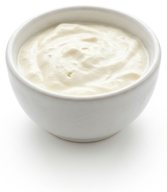 Cream
Use the same weight for a dairy version; it lacks coconut flavour but gives similar richness.


 Black peppercorn
Use 1:1 by weight; pulverise in a spice mill or mortar to a fine powder for immediate, punchy heat.
 Coarsely ground black pepper
Use equal weight; offers the same bite, though it gives a visibly speckled finish and firmer crunch.


Similar dishes

- Same: Aloo ka Salan also simmers lamb and potatoes in an onion-based gravy seasoned with garam masala.
- Different: Instead of vegetable oil, curry leaves, green chillies, and coconut, it builds its sauce with ghee, yogurt, garlic, turmeric, and ground coriander.

- Same: Roast Mutton also pairs lamb and potatoes cooked in vegetable oil with ginger and onions.
- Different: Roast Mutton is pot-roasted using garlic paste and boiled onion paste with a much higher proportion of potatoes, but it lacks the coconut, green chillies, curry leaves, garam masala, and black pepper of this dish.

- Same: Both dishes simmer lamb and potatoes in vegetable oil with onions, ginger, and green chillies.
- Different: Chintakkai Chaamp specifically uses lamb chops braised with tamarind extract, mint, mustard powder, and chilli powder, omitting this dish's coconut, curry leaves, black pepper, and garam masala.

- Same: Ishtoo (II) shares with this dish lamb, onion, ginger, green chilli, curry leaf, potato, coconut cream and salt.
- Different: It uses coconut oil, whole cardamom, clove, bay leaf, cinnamon, ginger paste, garlic paste, coconut milk and desiccated coconut, with 1000 g lamb and 200 g potato, while this dish uses vegetable oil, garam masala, black pepper, 500 g leg of lamb and 600 g potato.