Indian cooking
Indian cooking / Dishes / Kaikari Masala Vada
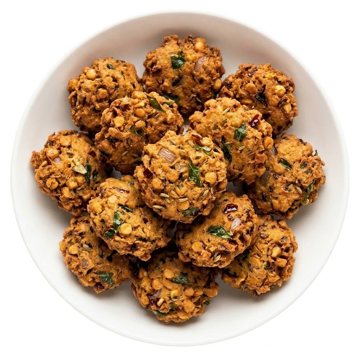
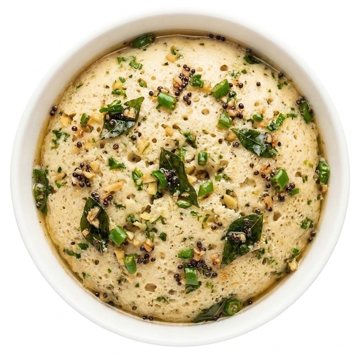
Kaikari Masala Vada (Mixed Vegetable Patties)

Kaikari Masala Vada

Mixed Vegetable Patties
Vegetarian●●●Origin Tamil NaduPrep 15 minutes, plus soaking timeCook 30 minutesMakes 12–14

Crisp on the outside and tender within, these savoury South Indian lentil patties are loaded with fresh vegetables, fragrant curry leaves, and green chillies.

Ingredients

01
Chana dalrinsed and drained
100 g
legume
02
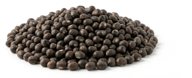
Black gram · Urad Dalrinsed and drained
52 g4 tablespoons
legume
03
16 g2 tablespoons
flour
04
25 g
vegetable
05
100 g
vegetable
06
Onion · Pyazmedium-sized, finely chopped
300 g2 onions
vegetable
07
12 g1 piece
aromatic
08
Green chilli · Hari Mirchde-seeded and finely chopped
24 g4 chillies
vegetable
09
2 g2 tablespoons
herb
10
~1 g1 sprig
herb
12
Vegetable oil · Telfor deep-frying
to taste
oil/fat
13
to taste
salt

Method

  1. Submerge 100 g chana dal and 51.6 g urad dal in a bowl of water and leave to soak for 1 hour.
  2. Drain the lentils thoroughly and tip them into a food processor. Grind with 2 tablespoon water until a thick mixture forms.
  3. Scrape the ground dal into a mixing bowl and combine with 25 g cabbage, 100 g chopped mixed vegetables, 300 g onion, 12 g ginger, 24 g green chilli, 2 g coriander leaf, 1 g curry leaf, 1.5 teaspoon flour, and salt to taste.
  4. Fill a kadhai or deep, heavy pan with vegetable oil for deep-frying and bring it to 180°C (350°F), then ease the heat down slightly.
  5. Using damp hands, take a ladleful of the batter and shape it into a 5 cm (2 inch) flat round patty. Slide the patties into the hot oil in batches and fry for 2 to 3 minutes, turning gently until crisp and golden brown, then lift out with a slotted spoon to drain on kitchen paper.

Don't have something?

Chana dal
  • Yellow split peas

    Use 100% of the weight. Soak for at least 1 hour; takes about 10 minutes longer to cook through and has a marginally earthier flavour.

  • Pigeon peas

    Use 100% of the weight. Reduces cooking time by about 10 minutes and breaks down softer, giving a smoother consistency rather than distinct grains.

  • Black gram

    For tempering or tadka only: use 70% of the weight. Browns faster in hot oil, providing a nutty, crunchy bite.

Urad dal
  • Whole black gram

    Use equal weight. Needs longer soaking and cooking; the dark skins impart an earthy flavour and greyish-black hue unless thoroughly rubbed off.

  • Chana dal

    Use equal weight when tempering (tadka). Provides a comparable nutty, crunchy texture in hot oil, though grains are slightly larger.

  • Split mung beans

    Use equal weight for batters or dals. Ferments and cooks faster, producing a lighter, less sticky, and less viscous consistency.

Plain flour
  • Whole wheat flour

    Use the same weight, add 10–15% more water and rest the dough for 20 minutes; the result is heavier and nuttier.

  • Rice flour

    Use the same weight for crisp coatings; for doughs use no more than half rice flour with wheat flour, or it will be crumbly.

  • Cornflour

    For thickening use half the weight, mixed with cold water; it is not suitable for bread or chapati dough.

Cabbage
  • Sweetheart cabbage

    Use 100% of the weight. Finely shred; cooks slightly faster than firm white cabbage and gives a sweeter, tender crunch in thorans and sabzis.

  • Savoy cabbage

    Use 100% of the weight. Shred finely; holds its shape well when stir-fried and carries spiced oil effectively.

  • Brussels sprouts

    Use 90% of the weight. Finely shred or halve; offers an identical brassica crunch and slight peppery bite.

Carrot
  • Turnip

    Use the same weight; peel and cut as for carrot. It is less sweet and slightly peppery, so add a pinch of sugar and expect a softer, more earthy result.

  • Potato

    Use the same weight; cut into similar pieces and add 5–10 minutes' extra cooking. It gives bulk but no carrot sweetness or colour.

  • Courgette

    Use the same weight; cut a little larger and add near the end. It releases water, so reduce other liquid slightly and expect a softer texture.

Onion
  • Shallot

    Use equal weight, finely sliced. Shallots soften and brown faster, giving a slightly sweeter and more delicate base to curries.

  • Cabbage

    Use 80% of the weight, finely shredded and browned slowly with a pinch of asafoetida. Replicates the bulk and natural sweetness in gravies without allium.

Ginger
  • Fresh ginger

    Use equal weight; scrape off the skin and grate or finely julienne according to the recipe.

  • Ginger paste

    Use equal weight; stir straight into the sizzling aromatics, taking care as the extra moisture may spit.

  • Ground ginger

    Use 15 to 20% of the weight; add alongside ground spices, noting it imparts warm, dry heat rather than zesty freshness.

Green chilli
  • Chilli powder

    Use 10 to 15% of the weight (about 1/4 teaspoon per chilli); imparts dry pungent heat and reddens the dish without the grassy crunch.

  • Dried red chilli

    Use 1 dried pod per fresh green chilli; snap in half and temper in hot oil for a deeper, toastier heat.

Coriander leaf
  • Coriander

    Use equal weight finely chopped; this is the exact same fresh herb.

  • Mint

    Use half the weight finely chopped; provides vibrant green freshness, though the flavour profile becomes noticeably cooler and sharper.

Curry leaf
  • Bay leaf

    Fry 1 bay leaf for every 5 curry leaves in hot oil; imparts a warm, woodsy background note, but misses the citrus-sulphury punch entirely.

  • Lime juice

    Add a small squeeze (about 5 ml per sprig of curry leaves) right before serving; provides sharp citrus top notes without the toasty, herbal aroma.

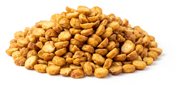
Dry-roasted chana dal
  • Chana dal

    Use the same weight and dry-roast it yourself in a heavy pan over low heat until golden and nutty, then cool and grind if needed. Same flavour but extra step.


  • Roasted mung bean

    Use the same weight. Milder and smaller, so the dish is less nutty and slightly less sweet.

  • Fried split chickpeas

    Use the same weight, but it is oilier and richer. Reduce added oil in the recipe and crush or grind as needed.

Vegetable oil
  • Peanut oil

    Use 1:1 by weight. Handles high-heat frying identically and introduces a very subtle, pleasant nuttiness.

  • Ghee

    Use 1:1 by weight. Yields a much richer, authentic aroma and a glossy, heavier mouthfeel.

  • Mustard oil

    Use 1:1 by weight. Heat until smoking, then cool slightly before cooking to temper its intensely pungent, sharp mustard kick.

Similar dishes

Kosu Podi
Fried Savoury Cabbage
Kosu Podi tastes fresher and naturally sweeter from the abundant cabbage and grated coconut, lacking the dense, rich crunch of these deep-fried patties.
  • Same: Both dishes combine cabbage, onions, green chillies, and a blend of chana and urad dal cooked in vegetable oil.
  • Different: Instead of shaping dal-heavy batter into deep-fried patties, Kosu Podi stir-fries mostly cabbage and adds fresh coconut, cumin seeds, and garlic while omitting ginger and curry leaves.
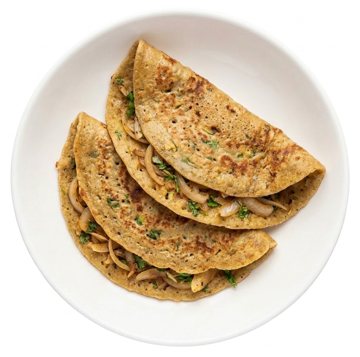
Pesarattu
Spicy Lentil Pancakes
Pesarattu has a milder, nutty moong dal flavour accented by warm cumin, lacking the pungent curry leaves and vegetable crunch of this dish.
  • Same: Both dishes are savoury South Indian preparations based on soaked and ground lentils, seasoned with substantial amounts of onion, green chillies, fresh coriander, and ginger cooked in vegetable oil.
  • Different: Pesarattu is made from moong dal and griddled thin as flat pancakes with ground cumin and garam masala, whereas this dish blends chana and urad dals with cabbage and curry leaves to form deep-fried patties.
Masala Vada
Fried Lentil Dumplings
Masala Vada features an aromatic anise-like fennel flavor and earthy heat paired with tangy chutney, rather than the fresh vegetable crunch and sharp green chilli bite of this dish.
  • Same: Both are deep-fried South Indian lentil patties prepared with chana dal, onions, ginger, and curry leaves in vegetable oil.
  • Different: Masala Vada uses exclusively chana dal spiced with fennel seeds and dried red chillies, omitting the urad dal, cabbage, green chillies, and fresh coriander found in this dish.
Dhokla
Steamed Lentil Sponge Cake
Dhokla is soft, spongy, and tangy from lemon and chutney, while this dish is crisp outside and tender inside with a savoury fried lentil and vegetable flavour.
  • Same: Dhokla shares chana dal, green chilli, ginger, curry leaf, vegetable oil, and salt with this dish.
  • Different: Dhokla is steamed with bicarbonate of soda, sugar, and lemon juice and finished with a mustard seed tempering and chutney, while this dish is a fried patty with urad dal, plain flour, cabbage, carrot, onion, and dry-roasted chana dal.