
Gulab Jamun
Rich, melt-in-the-mouth fried milk dumplings soaked in a fragrant floral and saffron sugar syrup. They are decadently sweet with tender, subtly spiced centres.
Saffron for the syrup
0.3 gInfused in rosewater (step 1)Everything else
Method
- Combine the saffron for the syrup with 4.9 g rosewater in a small dish and leave to steep.
- Break 300 g khoya and 50 g chhena into a wide bowl, rubbing with your fingers to eliminate any lumps. Work in 4 tablespoons flour, 1 teaspoon baking powder, and 13.2 g ghee until a soft dough forms.
- Turn the dough out onto a lightly floured surface and knead for 5 minutes until smooth and pliable.
- Portion the dough into 2.5 cm (1 inch) rounds, tucking a few cardamom seeds and 1 pistachio nut into the core of each ball, then smooth the outside completely.
- Place 1000 g granulated sugar into a heavy saucepan along with water. Warm over low heat, stirring until the granules dissolve, then increase the heat to bring to a boil. Skim off any foam that rises and simmer until the syrup reaches a one-thread stage. Take the pan off the heat and stir in 3.8 g lime juice along with the steeped saffron and rosewater.
- Heat 456 g vegetable oil in a kadhai or deep pan until it reaches 180°C (350°F). Lower the balls gently into the hot oil in batches and fry for 3 to 4 minutes until a deep, uniform brown. Remove with a slotted spoon and drain briefly on kitchen paper.
- Submerge the warm fried dumplings into the prepared syrup to soak thoroughly. Serve warm or at room temperature.
Don't have something?


 Ground turmeric
Use 15% of the saffron's weight. Replicates the bright yellow colour well, but lacks the floral, earthy depth; use sparingly to avoid bitterness.
 Screwpine water or rosewater
Use a few drops combined with a tiny pinch of ground turmeric to mimic both the regal floral aroma and the golden hue.


- Screwpine water or rosewater
If using kewra water, use 50% of the volume specified; it is intensely floral and pungent, so add drop by drop to avoid overpowering.
 Ground green cardamom
Use 0.5 g ground spice for every 5 ml rosewater. Adds warm, perfumed top notes, shifting the aroma from floral to sweet spice.
 Dried rose petals
Steep 1 g dried petals in 15 ml hot milk or water for 10 minutes, strain, and stir in for a subtle, natural floral note.


 Whole milk
Use 4 times the weight of milk; simmer and stir continuously in a wide heavy pan until reduced to a dense, fudgy paste.
 Paneer
Use equal weight of finely crumbled or grated paneer mixed with 15% single cream; gives similar body but a less caramelised, milk-solid flavour.
 Single cream
Simmer gently until heavily reduced, or stir in directly at 70% weight; produces rich gravies without the granular bite of khoya.


- Paneer
Use the same weight; crumble or mash. Firmer and less moist; works best in savoury dishes, not for making rasgulla.
 Cottage cheese
Use the same weight; drain well and mash. Wetter and more acidic; reduce other liquid.
 Hung natural yoghurt
Use the same weight only where the chhena is mashed into a mixture, not where it must be shaped. Tangier and softer.


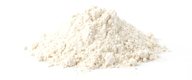
 Whole wheat flour
Use the same weight, add 10–15% more water and rest the dough for 20 minutes; the result is heavier and nuttier.
 Rice flour
Use the same weight for crisp coatings; for doughs use no more than half rice flour with wheat flour, or it will be crumbly.
 Cornflour
For thickening use half the weight, mixed with cold water; it is not suitable for bread or chapati dough.


 Baking soda
Use 25% of the baking powder's weight (e.g. 1 g for 4 g) and add 2 g cream of tartar or 1 tsp lime juice per 100 g flour. Mix quickly and bake at once.
 Bicarbonate of soda
Same as baking soda: use 25% of the weight with an acid such as cream of tartar, lemon juice or yogurt. Expect a slightly soapy taste if overused.
 Self-raising flour
Replace the plain flour plus baking powder with the same weight of self-raising flour; omit added baking powder and reduce salt slightly.


 Unsalted butter
Use 120% of the weight; melt gently over low heat to avoid burning the milk solids, which will yield a softer, creamier richness rather than a nutty aroma.
 Vegetable oil
Use 85% of the weight; holds high cooking temperatures without smoking, but the final dish will lack traditional dairy depth.
 Mustard oil
Use equal weight; heat to smoking point and cool slightly before cooking, bearing in mind it introduces an assertive, pungent edge.


 Green cardamom seed
The same thing; use the same weight, crushed just before use for the fullest aroma.
 Green cardamom pod
Use 1.4 times the weight (pods are roughly 30% husk); bruise and fish the husks out later, or grind whole and sieve.
 Ground cardamom
Same weight; convenient but fades fast, so add near the end of cooking.


 Pistachio
Use the same weight; check for salt and adjust the recipe's salt.
 Almond
Use the same weight; toast lightly before chopping. It is milder but works for garnishes and pastes.
 Cashew nut
Use the same weight; grind with a little water for pastes. It is softer and sweeter.


 Jaggery
Use equal weight; grate or shave finely so it dissolves rapidly, giving a warm, caramel-like sweetness and slightly darker sauce.


 Lemon juice
Use equal volume or weight; slightly sweeter and less pungent, but otherwise an imperceptible swap.
 Dried mango powder
Use 25% of the weight; imparts dry, fruity sourness, best stirred in right at the end of cooking.
 Tamarind extract
Use 50% of the weight; delivers pleasant fruity tang but turns pale sauces considerably darker.


 Peanut oil
Use 1:1 by weight. Handles high-heat frying identically and introduces a very subtle, pleasant nuttiness.
- Ghee
Use 1:1 by weight. Yields a much richer, authentic aroma and a glossy, heavier mouthfeel.
- Mustard oil
Use 1:1 by weight. Heat until smoking, then cool slightly before cooking to temper its intensely pungent, sharp mustard kick.

Similar dishes

- Same: Kalakand shares a base of khoya sweetened with granulated sugar with this dish.
- Different: Unlike this dish, Kalakand is cooked into a soft, fudgy sweet without chhena, deep-frying in vegetable oil and ghee, or soaking in a syrup made with rosewater, saffron, and lime juice.
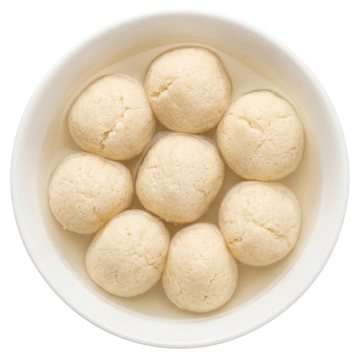
- Same: Rosogolla is also made from chhena dumplings soaked in a granulated sugar syrup.
- Different: Unlike this dish, Rosogolla uses no khoya, is simmered rather than fried in vegetable oil and ghee, and omits the saffron, rosewater, and lime juice.

- Same: Masala Milkshake shares a dairy base with this dish, as well as saffron, rosewater, and granulated sugar.
- Different: Masala Milkshake is a chilled drink made from liquid milk and ground green cardamom, rather than milk-solid dough made of khoya and chhena that is fried in oil and ghee and soaked in lime-infused syrup.

- Same: Double ka Meetha shares saffron, rosewater, a lime-set sugar syrup, nuts, and a fry-then-soak method with this dish.
- Different: Double ka Meetha uses white bread, milk, cream, ghee, almonds and edible silver leaf instead of khoya, chhena, plain flour, baking powder and cardamom; it is a baked bread pudding rather than shaped milk dumplings.