
Gajar Matar
A classic North Indian dry vegetable dish of tender carrots and sweet peas braised with onions, tomatoes, and aromatic ground spices.
Whole spices
2.1 gAdded to the hot fat (step 1)Ground spices
6 gStirred into the aromatics (step 3)Everything else

Method
- Warm 33.8 g vegetable oil or ghee in a broad, heavy-based pan over high heat, then drop the heat to medium-low, add the whole spices, and stir for 30 seconds until they sizzle and pop.
- Tip in 300 g chopped onion and sauté over medium heat for 5 to 7 minutes until deeply golden.
- Add 12 g chopped green chilli, 3 g chopped garlic, and 4.8 g chopped ginger, frying for 2 minutes. Stir in the ground spices and salt to taste, cooking for 2 minutes. Splash in 3 tablespoons of water, stir well, and cook for another 2 minutes.
- Add 120 g chopped tomato and cook for 2 to 3 minutes until broken down.
- Stir in 250 g peas (shelled if fresh) and 125 g diced carrots. Turn the heat to low, put the lid on, and cook for 5 to 8 minutes until the vegetables are tender.
Don't have something?


 Peanut oil
Use equal weight; handles high tempering heat well and keeps flavours neutral.
 Butter
Use equal weight; cook over gentle heat to prevent browning the milk solids too quickly.


 Ground cumin
Use 70% of the weight; add with ground spices or sauce bases rather than hot oil tempering, where it scorches quickly and turns bitter.
 Black cumin seeds
Use equal weight for oil tempering. Delivers an earthy profile with an additional musky, smoky, and slightly bitter edge.
 Fennel seed
Use 60% of the weight for tempering; offers comparable warm aroma, but leans sweet and liquorice-like rather than savoury and earthy.






 Chilli powder
Use 10 to 15% of the weight (about 1/4 teaspoon per chilli); imparts dry pungent heat and reddens the dish without the grassy crunch.
 Dried red chilli
Use 1 dried pod per fresh green chilli; snap in half and temper in hot oil for a deeper, toastier heat.


 Garlic paste
Use equal weight. Fry gently in oil or ghee with the ginger; incorporates smoothly into curries without visible minced bits.
 Garlic powder
Use 15% to 20% of the weight (about 1 g for every 5 to 6 g fresh cloves). Whisk into sauces; gives a savoury, toasted garlic flavour without raw pungency.
 Shallot
Use 1.5 times the weight, very finely minced. Sauté until golden; provides savoury allium sweetness, though it lacks garlic's pungent sulphur bite.


 Fresh ginger
Use equal weight; scrape off the skin and grate or finely julienne according to the recipe.
 Ginger paste
Use equal weight; stir straight into the sizzling aromatics, taking care as the extra moisture may spit.
 Ground ginger
Use 15 to 20% of the weight; add alongside ground spices, noting it imparts warm, dry heat rather than zesty freshness.



 Coriander seeds
Dry-roast lightly in a pan and grind to a fine powder; use equal weight (1:1). Offers a noticeably fresher, brighter citrus note.
- Ground cumin
Use 50% to 75% of the weight. Lacks the floral, citrusy profile of coriander and turns the gravy heavier, earthier, and darker.
 Garam masala
Use 50% of the weight and stir in near the end of cooking. Adds warmth and depth since it contains ground coriander, but introduces stronger spices like clove and cinnamon.


- Cumin seed
Dry-roast briefly and grind finely; use equal weight (1:1). Imparts an even punchier, nuttier, toasty aroma than pre-ground cumin.
- Ground coriander
Use equal weight (1:1). Adds mild, lemony sweetness rather than cumin's smoky, earthy bite; curries will taste lighter and less savoury.
- Black cumin seeds
Grind finely; use 60% to 75% of the weight. Produces a darker, more complex, smoky-herbal flavour suited to rich gravies.

 Red chilli powder
Use 100% of the weight. Provides direct, sharp heat and red colour in equal measure.
 Kashmiri chilli powder
Use 150% to 200% of the weight if matching colour, but add a pinch of black pepper or hot chilli if you need equivalent fiery heat.
 Cayenne pepper
Use 75% to 100% of the weight. Offers a sharp, clean heat with slightly less earthy depth and less crimson colour.


 Tomato purée
Use 40% to 50% of the fresh tomato weight mixed with a splash of water. Imparts a deeper red colour, thicker sauce, and slightly sweeter cooked flavour.
 Plain yogurt
Use 60% of the weight, whisked smooth and added on low heat. Provides rich body and sourness, though the gravy becomes paler and creamier.

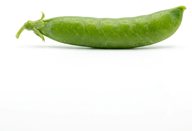


 Turnip
Use the same weight; peel and cut as for carrot. It is less sweet and slightly peppery, so add a pinch of sugar and expect a softer, more earthy result.
 Potato
Use the same weight; cut into similar pieces and add 5–10 minutes' extra cooking. It gives bulk but no carrot sweetness or colour.
 Courgette
Use the same weight; cut a little larger and add near the end. It releases water, so reduce other liquid slightly and expect a softer texture.


Similar dishes
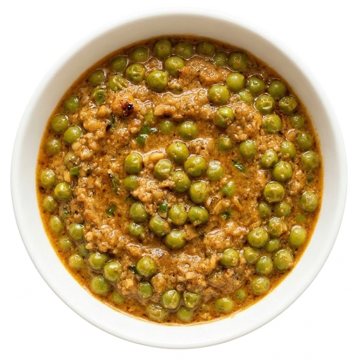
- Same: Khoya Matar also features green peas seasoned with cumin seeds, ground cumin, ground coriander, ginger, green chillies, and chilli powder.
- Different: Khoya Matar uses browned evaporated milk solids (khoya) cooked in substantially more fat with cloves, asafoetida, and garam masala, but omits the carrots, onions, garlic, and tomatoes found in this dish.
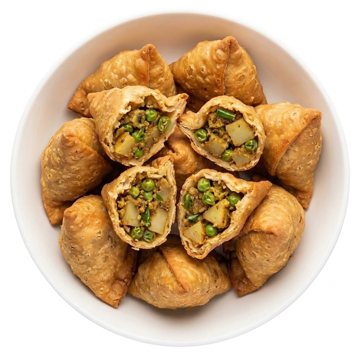
- Same: Samosa shares the use of peas cooked with cumin seeds, ginger, green chillies, chilli powder, ground coriander, and vegetable oil or ghee.
- Different: Samosa wraps a potato and pea filling in deep-fried pastry and includes turmeric and coriander leaves, but omits the carrots, braised tomatoes, onions, garlic, and ground cumin used in this dish.

- Same: Matar ka Raita shares peas, cumin seed, chilli powder, and salt with this dish.
- Different: Matar ka Raita uses plain yogurt, sugar, and spring onion, and it lacks this dish's oil or ghee, onion, tomato, carrot, garlic, ginger, and ground coriander and cumin, so it is a cool yogurt side rather than a dry braise.
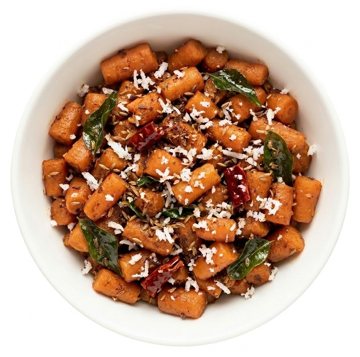
- Same: Baghare Gajar and this dish both use carrots, cumin seed, chilli powder, fat, and salt in a dry vegetable preparation.
- Different: Baghare Gajar uses only carrots, ghee, dried red chilli, curry leaves, and fresh coconut, while this dish adds peas, onion, tomato, garlic, ginger, ground coriander, and ground cumin and braises them together.