Indian cooking
Indian cooking / Dishes / Chana Dal Lauki Waali
Chana Dal Lauki Waali (Chana Dal with Bottle Gourd)

Chana Dal Lauki Waali

Chana Dal with Bottle Gourd
VegetarianOrigin AwadhPrep 30 minutes, plus soaking timeCook 35–40 minutes

A comforting, earthy curry of yellow split peas simmered with tender bottle gourd and warm spices. Finished with crisp browned onions, roasted cumin, and fresh mint, it is hearty and fragrant.

Dal spices

15 gAdded to the pot with the dal and gourd (step 2)
02
4.5 g1½ teaspoons
spice
Stir together to combine.

Tempering spice

6 gSizzled with the onion in hot ghee (step 4)
01
6 g1 tablespoon
spice
Keep whole to fry in the fat.

Finishing spice

8 gStirred in at the end after tempering (step 5)
01
8 g1 tablespoon
spice blend
Keep ready to stir in off the heat.

Everything else

01
Chana dalrinsed and drained
400 g
legume
02
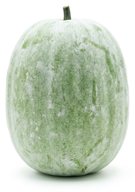
Bottle gourd · Laukirinsed, peeled and cut into medium-sized pieces
200 g
vegetable
03
15 g2 tablespoons
aromatic
04
24 g8 cloves
aromatic
05
to taste
salt
06
Mint · Pudinachopped, to garnish
~100 gbunch
herb
07
27 g2 tablespoons
oil/fat
08
150 g1 onion
vegetable

Method

  1. Submerge 400 g chana dal in a bowl of water and soak for 1 hour, then drain thoroughly.
  2. Transfer the soaked dal to a deep, heavy-based pan along with 200 g bottle gourd, 15 g ginger, 24 g garlic, and the dal spices. Add water, bring to a boil, then turn the heat down and simmer gently for roughly 30 minutes until the lentils are completely soft.
  3. Remove the pan from the heat and stir in salt to taste.
  4. In a frying pan over medium heat, warm 27 g ghee or vegetable oil. Add the tempering spice and 150 g onion, frying for 5–7 minutes until the onions turn a rich golden brown, being careful not to let the cumin burn.
  5. Pour the hot onion tempering over the cooked dal, then stir in the finishing spice. Scatter over 100 g mint before serving.

Don't have something?

Chana dal
  • Yellow split peas

    Use 100% of the weight. Soak for at least 1 hour; takes about 10 minutes longer to cook through and has a marginally earthier flavour.

  • Pigeon peas

    Use 100% of the weight. Reduces cooking time by about 10 minutes and breaks down softer, giving a smoother consistency rather than distinct grains.

  • Black gram

    For tempering or tadka only: use 70% of the weight. Browns faster in hot oil, providing a nutty, crunchy bite.

Bottle gourd
  • Ash gourd

    Use the same weight; peel, deseed and cut into similar pieces. It is firmer and slightly more watery, so add a little less water and cook 5 minutes longer.

  • Courgette

    Use the same weight; no need to peel. It cooks faster and releases water, so reduce the recipe liquid by about 10% and add it later.

  • Chayote

    Use the same weight; peel and remove the stone. It stays firmer, so cut it smaller and cook a few minutes longer.

Chilli powder
  • Red chilli powder

    Use 100% of the weight. Provides direct, sharp heat and red colour in equal measure.

  • Kashmiri chilli powder

    Use 150% to 200% of the weight if matching colour, but add a pinch of black pepper or hot chilli if you need equivalent fiery heat.

  • Cayenne pepper

    Use 75% to 100% of the weight. Offers a sharp, clean heat with slightly less earthy depth and less crimson colour.

Ginger
  • Fresh ginger

    Use equal weight; scrape off the skin and grate or finely julienne according to the recipe.

  • Ginger paste

    Use equal weight; stir straight into the sizzling aromatics, taking care as the extra moisture may spit.

  • Ground ginger

    Use 15 to 20% of the weight; add alongside ground spices, noting it imparts warm, dry heat rather than zesty freshness.

Ground turmeric
  • Ground ginger

    Use 50% of the weight. Mimics turmeric's warm, earthy, rhizome background, but provides none of the golden-yellow colour.

  • Saffron

    Steep a tiny pinch (0.1 g per 2 g turmeric) in 2 tbsp warm water; use to match the rich golden hue. Contributes an aristocratic, honeyed floral flavour rather than earthy bitterness.

Ground coriander
  • Coriander seeds

    Dry-roast lightly in a pan and grind to a fine powder; use equal weight (1:1). Offers a noticeably fresher, brighter citrus note.

  • Ground cumin

    Use 50% to 75% of the weight. Lacks the floral, citrusy profile of coriander and turns the gravy heavier, earthier, and darker.

  • Garam masala

    Use 50% of the weight and stir in near the end of cooking. Adds warmth and depth since it contains ground coriander, but introduces stronger spices like clove and cinnamon.

Garlic
  • Garlic paste

    Use equal weight. Fry gently in oil or ghee with the ginger; incorporates smoothly into curries without visible minced bits.

  • Garlic powder

    Use 15% to 20% of the weight (about 1 g for every 5 to 6 g fresh cloves). Whisk into sauces; gives a savoury, toasted garlic flavour without raw pungency.

  • Shallot

    Use 1.5 times the weight, very finely minced. Sauté until golden; provides savoury allium sweetness, though it lacks garlic's pungent sulphur bite.

Garam masala
  • Ground cumin

    Use 50% of the weight mixed with equal parts ground coriander and a pinch of ground cinnamon, ground cloves, and ground green cardamom. Sprinkle near the end for a warming finish.

  • Lentil stew spice mix

    Use 75% of the weight. Simmer briefly in the gravy; imparts roasted warmth and complexity, though it adds a slight tang and earthy lentil undertone.

Mint
  • Dried mint

    Use about 30% of the weight of fresh mint. Rub between your palms to crush before stirring in; the flavour will be more intensely herbal and less bright.

  • Coriander leaf

    Use equal weight, finely chopped. Adds fresh citrusy green notes, but lacks the cooling menthol lift.

Ghee or vegetable oil
  • Peanut oil

    Use equal weight; handles high tempering heat well and keeps flavours neutral.

  • Butter

    Use equal weight; cook over gentle heat to prevent browning the milk solids too quickly.

Cumin seed
  • Ground cumin

    Use 70% of the weight; add with ground spices or sauce bases rather than hot oil tempering, where it scorches quickly and turns bitter.

  • Black cumin seeds

    Use equal weight for oil tempering. Delivers an earthy profile with an additional musky, smoky, and slightly bitter edge.

  • Fennel seed

    Use 60% of the weight for tempering; offers comparable warm aroma, but leans sweet and liquorice-like rather than savoury and earthy.

Onion
  • Shallot

    Use equal weight, finely sliced. Shallots soften and brown faster, giving a slightly sweeter and more delicate base to curries.

  • Cabbage

    Use 80% of the weight, finely shredded and browned slowly with a pinch of asafoetida. Replicates the bulk and natural sweetness in gravies without allium.


Similar dishes

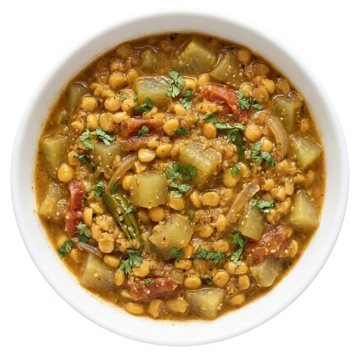
Pappu Dosakai
Bottle Gourd (Calabash) with Chana Dal
Pappu Dosakai is tangier and subtly sweet from the tomatoes and coconut, whereas this dish is more herbaceous and warming from the mint and garam masala.
  • Same: Both dishes simmer chana dal and bottle gourd with onions, garlic, turmeric, and chilli powder.
  • Different: Pappu Dosakai adds tomatoes, dried coconut, and green chillies, but omits the ginger, cumin seeds, garam masala, and mint found in this dish.
Sookhi Mangori
Dried Moong Dal Dumplings
It tastes tangier and richer from tomatoes and ample ghee, rather than herbaceous and earthy like this dish.
  • Same: Sookhi Mangori also relies on a lentil base seasoned with onions, garlic, ginger, turmeric, chilli powder, and garam masala.
  • Different: It uses sun-dried moong dal dumplings stewed in tomatoes and asafoetida, omitting this dish's fresh mint, ground coriander, and cumin seeds.
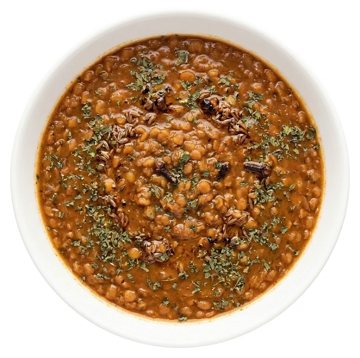
Masoor ki Dal
Red or Black Dal
Masoor ki Dal is smoother, creamier, and subtly spiced, lacking the vegetable sweetness of bottle gourd and the hearty punch of browned onions and garlic.
  • Same: Masoor ki Dal also seasons simmered dal in ghee or oil using cumin, ginger, turmeric, coriander, chilli, and mint.
  • Different: Masoor ki Dal uses red or black lentils enriched with rice cooking water instead of chana dal and bottle gourd, adding asafoetida and clove while omitting the onion, garlic, and garam masala.
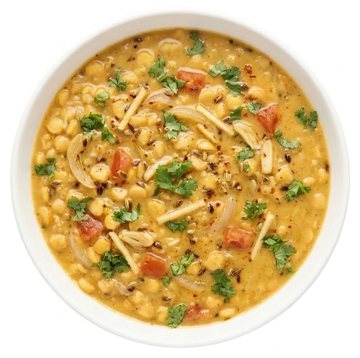
Tadka Dal (Thali)
Garlic & Cumin Dal with Tomato, Chilli & Coriander
Tadka Dal tastes warmer and savoury with gentle chilli heat, tomato tang and fresh coriander, while this dish tastes earthier and heartier with mint and browned onion.
  • Same: Tadka Dal shares chana dal, turmeric, cumin seed, onion, garlic, ginger, ground coriander and salt with this dish.
  • Different: Tadka Dal uses tomato, fennel seed and Kashmiri chilli powder, and it uses vegetable oil rather than ghee or vegetable oil; it lacks bottle gourd, mint, garam masala and plain chilli powder, and it is a softer dal finished with a garlicky cumin tadka rather than simmered with bottle gourd and topped with crisp browned onions.