Indian cooking
Indian cooking / Dishes / Lauki ka Raita
Lauki ka Raita (Bottle Gourd (Calabash) Raita)

Lauki ka Raita

Bottle Gourd (Calabash) Raita
Vegetarian●●●Origin AwadhPrep 30–35 minutes, plus chilling timeMakes 750ml / 1¼ pints (3¼ cups)

A refreshing, creamy yoghurt dip packed with tender cooked bottle gourd, gentle heat, and plump raisins. It offers a balanced profile of cooling tang, subtle sweetness, and earthy roasted cumin.

Raita spices

2.1 gMixed into the yoghurt with the other seasonings (step 3)
01
Cumin seed · Jeeraroasted and ground
2.1 g1 teaspoon
spice
Keep ground ready to blend into the raita.

Everything else

01
9 g1 tablespoon
fruit
02
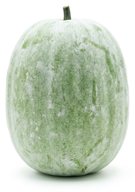
Bottle gourd · Laukicoarsley grated
60 g
vegetable
03
507 g500 ml
dairy
04
Green chilli · Hari Mirchde-seeded and chopped
6 g1 chilli
vegetable
05
4.2 g1 teaspoon
sweetener
06
to taste
salt

Method

  1. Rinse 1 tablespoon raisin in cold water and drain thoroughly.
  2. Bring a saucepan of water to a boil, drop in 60 g bottle gourd (coarsely grated), and simmer for about 5 minutes until completely tender. Drain well, press dry with kitchen paper, grate or shred finely once more, and press lightly with your hands to discard excess liquid.
  3. Whisk 507 g plain yogurt in a mixing bowl until smooth, then stir in the cooked bottle gourd, drained raisins, 6 g green chilli, 4.2 g granulated sugar, the raita spices, and salt to taste until evenly combined.
  4. Refrigerate the raita for 1 hour to let the flavours meld before serving.

Don't have something?

Raisin
  • Dried plum

    Use equal weight, pitted and finely chopped. Lends a deeper, slightly more tart sweetness to curries and rice dishes.

  • Cashew nut

    Use equal weight. Fry lightly in ghee until golden; substitutes the burst of sweetness with a rich, buttery crunch.

  • Jaggery

    Use 30% of the weight, finely grated. Dissolve straight into the sauce to match the intended sweetness, though without the fruity chew.

Bottle gourd
  • Ash gourd

    Use the same weight; peel, deseed and cut into similar pieces. It is firmer and slightly more watery, so add a little less water and cook 5 minutes longer.

  • Courgette

    Use the same weight; no need to peel. It cooks faster and releases water, so reduce the recipe liquid by about 10% and add it later.

  • Chayote

    Use the same weight; peel and remove the stone. It stays firmer, so cut it smaller and cook a few minutes longer.

Plain yogurt
  • Yogurt

    Use equal weight, whisked thoroughly until smooth before adding to hot dishes to prevent curdling.

  • Coconut milk

    Use equal weight with 1 teaspoon lemon juice mixed in. Provides rich creaminess in curries, but adds a noticeable coconut flavour.

  • Single cream

    Use 80% of the weight plus a squeeze of lemon juice for acidity. Enriches sauces nicely, though it is richer and less tangy.

Green chilli
  • Chilli powder

    Use 10 to 15% of the weight (about 1/4 teaspoon per chilli); imparts dry pungent heat and reddens the dish without the grassy crunch.

  • Dried red chilli

    Use 1 dried pod per fresh green chilli; snap in half and temper in hot oil for a deeper, toastier heat.

Granulated sugar
  • Jaggery

    Use equal weight; grate or shave finely so it dissolves rapidly, giving a warm, caramel-like sweetness and slightly darker sauce.

Cumin seed
  • Ground cumin

    Use 70% of the weight; add with ground spices or sauce bases rather than hot oil tempering, where it scorches quickly and turns bitter.

  • Black cumin seeds

    Use equal weight for oil tempering. Delivers an earthy profile with an additional musky, smoky, and slightly bitter edge.

  • Fennel seed

    Use 60% of the weight for tempering; offers comparable warm aroma, but leans sweet and liquorice-like rather than savoury and earthy.

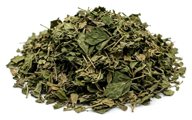
Dried mint
  • Mint

    Use 3 to 4 times the weight, finely chopped. Stir in towards the very end of cooking; provides a fresher, brighter herbal lift rather than deep, concentrated menthol.

  • Dried fenugreek leaves

    Use equal weight, crushed between your palms. Offers savoury, earthy bitterness rather than cooling mint, but works nicely in marinades and rich gravies.


Similar dishes

Lauki ke Kofte
Bottle Gourd (Calabash) Kofta
Lauki ke Kofte is hot, savory, and richly spiced from cooked aromatics and tomatoes, unlike the cool, mildly sweet taste of this dish.
  • Same: Lauki ke Kofte also features bottle gourd as the main vegetable combined with plain yogurt, cumin seeds, and green chillies.
  • Different: Lauki ke Kofte deep-fries the gourd with chickpea flour in ghee and simmers it in an onion, garlic, and tomato gravy instead of stirring it raw or boiled into yogurt with raisins and sugar.
Dum ki Lauki
Spicy Baked Bottle Gourd (Calabash)
It tastes warm, rich, and savory with deep spice heat, lacking the cooling, sweet, and tangy dairy profile of this dish.
  • Same: Dum ki Lauki also centers on bottle gourd seasoned with green chillies, cumin seeds, and salt.
  • Different: Instead of being served cold in a yogurt base with raisins and sugar, it is braised in ghee with ginger, fenugreek seeds, coriander, and Kashmiri garam masala.
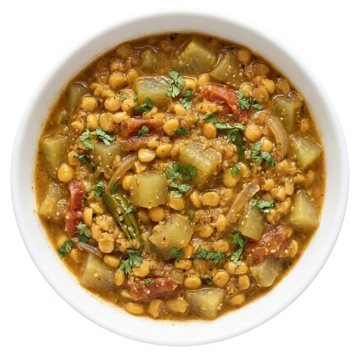
Chana Dal Lauki Waali
Chana Dal with Bottle Gourd
Chana Dal Lauki Waali is savory, earthy, and warm from garam masala and mint, contrasting with the cool, sweet, and tangy profile of this dish.
  • Same: Chana Dal Lauki Waali shares the use of bottle gourd and cumin seeds with this dish.
  • Different: Chana Dal Lauki Waali is a hot split-pea dal simmered in ghee with onion, garlic, ginger, and ground spices, omitting the cold yogurt, sugar, and raisins used here.
Pappu Dosakai
Bottle Gourd (Calabash) with Chana Dal
Pappu Dosakai tastes mild, savory, and lightly sweet from the gourd and coconut, while this dish is cooling, creamy, tangy, and sweet from raisins and sugar.
  • Same: Pappu Dosakai shares bottle gourd, green chilli, and salt with this dish.
  • Different: Pappu Dosakai adds chana dal, onion, tomato, dried coconut, garlic paste, turmeric, chilli powder, and ground coriander, while this dish uses yogurt, raisins, sugar, cumin seed, and dried mint and is a yoghurt dip rather than a simmered dal.