
Dum Nadru
Crisp-tender lotus root, potatoes, and sweet peas simmered in a fragrant, mildly pungent sauce. It has an earthy, warming heat brightened by ginger and whole spices.
Whole spices
2.7 gFried in the oil (step 2)Ground spices
8 gStirred into the simmering vegetables (step 3)Everything else

Method
- Warm 125 g ghee or vegetable oil in a large, heavy frying pan over medium heat. Add 500 g lotus root and 500 g potato and cook for about 5 minutes, turning occasionally until lightly browned, then lift out and set aside.
- Place a separate large pan over medium heat and pour in the remaining 25 g ghee or vegetable oil. Add the whole spices and fry for roughly 1 minute until the cumin crackles and pops.
- Add the browned lotus root and potatoes, 500 g peas, 12 g green chilli, 12 g ginger, the ground spices, 8.4 g granulated sugar, 1 teaspoon Garam Masala Kashmiri, 250 g water, and salt to taste. Simmer for about 15 minutes, tossing the vegetables every few minutes, until completely tender.
Don't have something?


 Peanut oil
Use equal weight; handles high tempering heat well and keeps flavours neutral.
 Butter
Use equal weight; cook over gentle heat to prevent browning the milk solids too quickly.


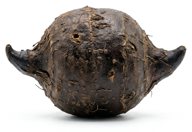
 Lotus stem
Use the same weight; same vegetable under another name; peel and slice; cooking time unchanged.
 Water chestnut
Use the same weight, sliced; add 5 minutes before the end; crisp but less starchy and no holes.
 Canned bamboo shoots
Use the same weight, drained and sliced; add 5 minutes before the end; crunchier and more sour.



 Eggplant
Use equal weight. Cut into large chunks; cooks down much faster (10-12 minutes) and softens into the sauce rather than staying starchy and firm.
 Paneer
Use 80% of the weight. Cube and add in the last 5-10 minutes of cooking; adds rich dairy protein instead of starchy bulk.
 Dried chickpea
Use 45% dry weight. Soak overnight and boil until fully soft before stirring into the sauce to simmer for 10 minutes.


 Garlic powder
Use double the weight. Stir into hot oil just before adding wet ingredients; mimics the allium savoury background without the sulphurous edge.
 Garlic paste
Use 2 g for every 0.5 g of asafoetida. Sauté in oil until the raw smell clears; adds moisture and sweet allium depth.


 Ground cloves
Use 1 g ground for 4 g whole (or 1 small pinch per 2 to 3 whole cloves). Add with spice powders; disperses intense warmth quickly, so use with restraint.
 Allspice berries
Use 100% of the weight whole in tempering. Imparts a warm, clove-like aromatic profile combined with hints of nutmeg and cinnamon.
 Black cardamom pod
Use 1 pod for 3 to 4 cloves in whole tempering. Shares a camphor-like warmth and medicinal depth, though it introduces a distinct smoky undertone.


 Ground cumin
Use 70% of the weight; add with ground spices or sauce bases rather than hot oil tempering, where it scorches quickly and turns bitter.
 Black cumin seeds
Use equal weight for oil tempering. Delivers an earthy profile with an additional musky, smoky, and slightly bitter edge.
 Fennel seed
Use 60% of the weight for tempering; offers comparable warm aroma, but leans sweet and liquorice-like rather than savoury and earthy.




 Chilli powder
Use 10 to 15% of the weight (about 1/4 teaspoon per chilli); imparts dry pungent heat and reddens the dish without the grassy crunch.
 Dried red chilli
Use 1 dried pod per fresh green chilli; snap in half and temper in hot oil for a deeper, toastier heat.


 Red chilli powder
Use 100% of the weight. Provides direct, sharp heat and red colour in equal measure.
 Kashmiri chilli powder
Use 150% to 200% of the weight if matching colour, but add a pinch of black pepper or hot chilli if you need equivalent fiery heat.
 Cayenne pepper
Use 75% to 100% of the weight. Offers a sharp, clean heat with slightly less earthy depth and less crimson colour.



 Coriander seeds
Dry-roast lightly in a pan and grind to a fine powder; use equal weight (1:1). Offers a noticeably fresher, brighter citrus note.
- Ground cumin
Use 50% to 75% of the weight. Lacks the floral, citrusy profile of coriander and turns the gravy heavier, earthier, and darker.
 Garam masala
Use 50% of the weight and stir in near the end of cooking. Adds warmth and depth since it contains ground coriander, but introduces stronger spices like clove and cinnamon.


 Fresh ginger
Use equal weight; scrape off the skin and grate or finely julienne according to the recipe.
 Ginger paste
Use equal weight; stir straight into the sizzling aromatics, taking care as the extra moisture may spit.
 Ground ginger
Use 15 to 20% of the weight; add alongside ground spices, noting it imparts warm, dry heat rather than zesty freshness.


- Ginger paste
Use 300% to 400% of the weight (e.g. 3–4 g paste for 1 g ground). Fry in oil alongside onions; provides a juicy, pungent kick rather than a dry, baking-spice heat.
- Fresh ginger
Peel and grate finely; use 300% to 400% of the weight. Add to the hot oil early; delivers bright, peppery warmth rather than the mellow, woody heat of dry ginger.
 Ground mace
Use 50% of the weight. Imparts a warm, spicy undertone in rich gravies, but lacks ginger's fiery, sharp zest.


 Jaggery
Use equal weight; grate or shave finely so it dissolves rapidly, giving a warm, caramel-like sweetness and slightly darker sauce.


- Garam masala
Use 75–80% of the weight; add at the same stage. More pungent and less aromatic, so taste before adding more.
 Ground garam masala
Use 75–80% of the weight; stir in off the heat. Finer powder, so it releases aroma quickly.
 Ground cardamom and mace
Use 20–25% of the weight alongside garam masala for aroma; it lacks the full spice profile.


Similar dishes
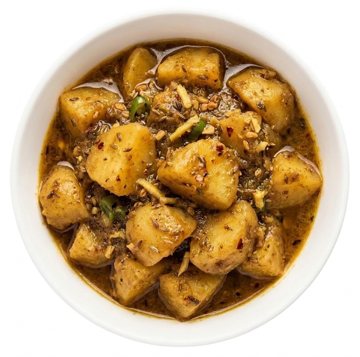
- Same: Khatte Aloo shares a potato base and uses many of the same spices, including cumin, cloves, asafoetida, coriander, and both fresh and ground ginger.
- Different: It cooks in mustard oil rather than ghee or neutral oil, omits the lotus root, peas, sugar, and Kashmiri garam masala, and adds amchoor, turmeric, and fenugreek seeds.

- Same: Both dishes share a foundation of potatoes cooked in ghee or vegetable oil with cumin seeds, cloves, asafoetida, coriander, chilli powder, and Kashmiri garam masala.
- Different: Aloo Matar Rasedar incorporates tomatoes and a large quantity of peas with about half the cooking fat, while omitting the fresh ginger, ground ginger, green chillies, and sugar found in this dish.

- Same: U.P.-Style Aloo Ki Sabzi shares potatoes, green peas, cumin seed, asafoetida, ginger, ground coriander, green chilli, sugar, salt, and vegetable oil with this dish.
- Different: U.P.-Style Aloo Ki Sabzi uses Greek yoghurt to thicken a boiled diced potato and pea curry, and it lacks lotus root, clove, chilli powder, Kashmiri garam masala, and the dum baking style of this dish.
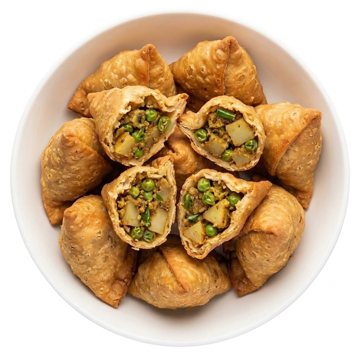
- Same: Samosa shares potato, peas, green chilli, ginger, cumin seed, chilli powder and ground coriander with this dish.
- Different: Samosa wraps its filling in plain-flour pastry and deep-fries it in vegetable oil, while this dish simmers lotus root, potato and peas with ghee or oil, asafoetida, clove, sugar and Kashmiri garam masala.