
Dal Makhani (Kricket)
Dal makhani is a thick, creamy urad dal dish finished with cream, butter and ghee. It tastes mild, buttery and gently spicy.
Asafoetida for dal and oil
2.8 gHalf added to the dal, half to the hot oil (steps 2 and 3)Cumin seed for the oil
6 gAdded to the hot oil (step 3)Ginger garlic paste
30 gFried after the onions (step 4)Ground spices for the sauce
42 gStirred in with the tomatoes (step 4)Everything else

Method
- Put 500 g urad dal in a bowl, cover with water and soak for 2 h, or overnight.
- Drain the dal. Put it in a saucepan with 300 g onion, 18 g green chilli, 1.4 g asafoetida, sea salt to taste and 1.5 litres water. Bring to the boil, then cook for 30–40 min until the dal is soft and no whole grains remain. Add more water if it becomes dry.
- Heat 13.5 g vegetable oil in a separate pan. Add 6.3 g cumin seed and the remaining 1.4 g asafoetida. Stir for about 30 sec until the seeds pop. Add the remaining 300 g onion and fry for about 10 min over medium heat until golden.
- Add 30 g ginger garlic paste and fry for 1 min. Add 200 g tomato. Stir in the ground spices for the sauce: 10.8 g ground coriander, 15.6 g ground cumin and 15.6 g kashmiri chilli powder. Season with sea salt.
- Add the cooked dal to the pan and enough water to make a thick, even mixture. Simmer covered for 5–10 min, stirring. Stir in 199 g double cream, 42.3 g unsalted butter and 26.4 g ghee. Remove from the heat and check the salt.
Don't have something?


 Whole black gram
Use equal weight. Needs longer soaking and cooking; the dark skins impart an earthy flavour and greyish-black hue unless thoroughly rubbed off.
 Chana dal
Use equal weight when tempering (tadka). Provides a comparable nutty, crunchy texture in hot oil, though grains are slightly larger.
 Split mung beans
Use equal weight for batters or dals. Ferments and cooks faster, producing a lighter, less sticky, and less viscous consistency.





 Chilli powder
Use 10 to 15% of the weight (about 1/4 teaspoon per chilli); imparts dry pungent heat and reddens the dish without the grassy crunch.
 Dried red chilli
Use 1 dried pod per fresh green chilli; snap in half and temper in hot oil for a deeper, toastier heat.


 Garlic powder
Use double the weight. Stir into hot oil just before adding wet ingredients; mimics the allium savoury background without the sulphurous edge.
 Garlic paste
Use 2 g for every 0.5 g of asafoetida. Sauté in oil until the raw smell clears; adds moisture and sweet allium depth.


 Peanut oil
Use 1:1 by weight. Handles high-heat frying identically and introduces a very subtle, pleasant nuttiness.
 Ghee
Use 1:1 by weight. Yields a much richer, authentic aroma and a glossy, heavier mouthfeel.
 Mustard oil
Use 1:1 by weight. Heat until smoking, then cool slightly before cooking to temper its intensely pungent, sharp mustard kick.


 Ground cumin
Use 70% of the weight; add with ground spices or sauce bases rather than hot oil tempering, where it scorches quickly and turns bitter.
 Black cumin seeds
Use equal weight for oil tempering. Delivers an earthy profile with an additional musky, smoky, and slightly bitter edge.
 Fennel seed
Use 60% of the weight for tempering; offers comparable warm aroma, but leans sweet and liquorice-like rather than savoury and earthy.


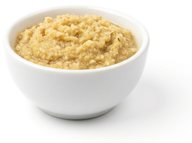
- Ginger and garlic paste
Use the same weight; the difference is only the order of the names.
- Garlic paste
Mix with an equal weight of ginger paste and use the same total weight.
 Garlic
For 20 g paste use about 10 g crushed garlic and 10 g grated ginger root with a splash of water. Add a little extra water if the dish looks dry.


 Tomato purée
Use 40% to 50% of the fresh tomato weight mixed with a splash of water. Imparts a deeper red colour, thicker sauce, and slightly sweeter cooked flavour.
 Plain yogurt
Use 60% of the weight, whisked smooth and added on low heat. Provides rich body and sourness, though the gravy becomes paler and creamier.


 Coriander seeds
Dry-roast lightly in a pan and grind to a fine powder; use equal weight (1:1). Offers a noticeably fresher, brighter citrus note.
- Ground cumin
Use 50% to 75% of the weight. Lacks the floral, citrusy profile of coriander and turns the gravy heavier, earthier, and darker.
 Garam masala
Use 50% of the weight and stir in near the end of cooking. Adds warmth and depth since it contains ground coriander, but introduces stronger spices like clove and cinnamon.


- Cumin seed
Dry-roast briefly and grind finely; use equal weight (1:1). Imparts an even punchier, nuttier, toasty aroma than pre-ground cumin.
- Ground coriander
Use equal weight (1:1). Adds mild, lemony sweetness rather than cumin's smoky, earthy bite; curries will taste lighter and less savoury.
- Black cumin seeds
Grind finely; use 60% to 75% of the weight. Produces a darker, more complex, smoky-herbal flavour suited to rich gravies.


 Dried kashmiri chilli
Grind deseeded dried pods to an equal weight of powder; gives identical vivid red colour and gentle warmth.
 Red chilli powder
Use 25% of the weight mixed with sweet paprika for colour; straight red chilli powder is substantially hotter and will make the dish fiery.
- Chilli powder
Use one-third of the weight; the sauce will be less intensely red and notably sharper in heat.


 Heavy cream
Use the same weight; whips and cooks almost identically.
 Single cream
Use the same weight in cooking, but it will not whip; reduce other liquid slightly.
 Clotted cream
Use 80% of the weight; richer and thicker, good for serving but not for whipping.


- Unsalted butter
Use 120% of the weight; melt gently over low heat to avoid burning the milk solids, which will yield a softer, creamier richness rather than a nutty aroma.
- Vegetable oil
Use 85% of the weight; holds high cooking temperatures without smoking, but the final dish will lack traditional dairy depth.
- Mustard oil
Use equal weight; heat to smoking point and cool slightly before cooking, bearing in mind it introduces an assertive, pungent edge.
Similar dishes

- Same: Khasta Kachori shares urad dal, green chilli, asafoetida, cumin, coriander, vegetable oil and salt with this dish.
- Different: Khasta Kachori is a deep-fried plain-flour pastry with a spiced urad dal filling, and it lacks this dish's onion, tomato, double cream, butter and large ghee finish.

- Same: Sukhi Urad ki Dal shares urad dal, green chilli, asafoetida, cumin seed, ghee and salt with this dish.
- Different: Sukhi Urad ki Dal is a dry sautéed lentil dish with fresh ginger, turmeric and dried red chilli, and it lacks this dish's onion, tomato, cream, butter and larger quantity of urad dal.
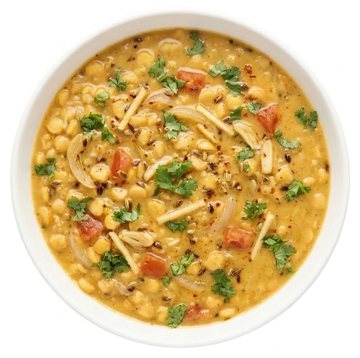
- Same: Tadka Dal shares a legume base, onion, tomato, ginger, cumin, Kashmiri chilli and ground coriander with this dish.
- Different: It uses chana dal and about 994 g water, while this dish uses urad dal and lists no added water. It is finished with a garlic-cumin tadka and fresh coriander and has no cream, butter or ghee, unlike this dish.

- Same: Dahi ki Gujiya shares urad dal, asafoetida, ginger, green chilli and cumin seed with this dish.
- Different: Dahi ki Gujiya uses yogurt, bicarbonate of soda, raisins, mint and chutney and is deep-fried then soaked and served chilled, while this dish uses onion, tomato, cream, butter and ghee and is simmered as a hot dal.