
Khasta Kachori
These crisp, flaky deep-fried pastries are stuffed with a spiced, savoury lentil filling.
Stuffing spices
15 gFried with the ginger and green chillies (step 3)Everything else

Method
- Sift 500 g flour, 1 teaspoon bicarbonate of soda, and a pinch of salt into a large bowl. Rub in 52.8 g ghee with your fingertips until the mixture resembles coarse breadcrumbs, then gradually splash in water to bring it together into a supple dough. Drape with a damp towel and leave to rest.
- Cover 70 g urad dal with water and leave to soak for 45 minutes. Pour off the soaking water, transfer the lentils to a food processor with a small splash of fresh water, and pulse until coarsely cracked without turning into a purée.
- Warm 13.5 g vegetable oil in a pan over medium heat, then stir in 15 g ginger, 9.9 g green chilli, and the stuffing spices. Add the crushed dal and cook, stirring frequently, until the moisture completely evaporates. Mix in 2.1 g granulated sugar and salt to taste, then remove from the heat and leave to cool.
- Divide the rested dough into 12 equal portions and roll them into rounds before pressing each slightly flat. Place a spoonful of the spiced dal in the middle of each disc, gather the pastry edges up to encase the filling, pinch to seal, and gently flatten again.
- Pour enough vegetable oil for deep-frying into a deep pan and bring to 170°C/325°F, checking that a small bread cube turns brown within 30 seconds. Gently slide the pastries into the fat in batches and fry until puffed, crisp, and rich golden brown, then transfer with a slotted spoon onto paper towels to drain.
Don't have something?
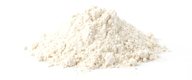
 Whole wheat flour
Use the same weight, add 10–15% more water and rest the dough for 20 minutes; the result is heavier and nuttier.
 Rice flour
Use the same weight for crisp coatings; for doughs use no more than half rice flour with wheat flour, or it will be crumbly.
 Cornflour
For thickening use half the weight, mixed with cold water; it is not suitable for bread or chapati dough.



 Baking powder
Use 4 times the weight (1 g soda ≈ 4 g baking powder). It already contains acid, so reduce or omit added lemon or yogurt.
 Self-raising flour
For baking, swap plain flour plus soda for self-raising flour; omit the soda and adjust salt. Not suitable for recipes where soda is used for colour or texture.


 Unsalted butter
Use 120% of the weight; melt gently over low heat to avoid burning the milk solids, which will yield a softer, creamier richness rather than a nutty aroma.
 Vegetable oil
Use 85% of the weight; holds high cooking temperatures without smoking, but the final dish will lack traditional dairy depth.
 Mustard oil
Use equal weight; heat to smoking point and cool slightly before cooking, bearing in mind it introduces an assertive, pungent edge.


 Whole black gram
Use equal weight. Needs longer soaking and cooking; the dark skins impart an earthy flavour and greyish-black hue unless thoroughly rubbed off.
 Chana dal
Use equal weight when tempering (tadka). Provides a comparable nutty, crunchy texture in hot oil, though grains are slightly larger.
 Split mung beans
Use equal weight for batters or dals. Ferments and cooks faster, producing a lighter, less sticky, and less viscous consistency.


 Peanut oil
Use 1:1 by weight. Handles high-heat frying identically and introduces a very subtle, pleasant nuttiness.
- Ghee
Use 1:1 by weight. Yields a much richer, authentic aroma and a glossy, heavier mouthfeel.
- Mustard oil
Use 1:1 by weight. Heat until smoking, then cool slightly before cooking to temper its intensely pungent, sharp mustard kick.


 Fresh ginger
Use equal weight; scrape off the skin and grate or finely julienne according to the recipe.
 Ginger paste
Use equal weight; stir straight into the sizzling aromatics, taking care as the extra moisture may spit.
 Ground ginger
Use 15 to 20% of the weight; add alongside ground spices, noting it imparts warm, dry heat rather than zesty freshness.


 Chilli powder
Use 10 to 15% of the weight (about 1/4 teaspoon per chilli); imparts dry pungent heat and reddens the dish without the grassy crunch.
 Dried red chilli
Use 1 dried pod per fresh green chilli; snap in half and temper in hot oil for a deeper, toastier heat.


 Red chilli powder
Use 100% of the weight. Provides direct, sharp heat and red colour in equal measure.
 Kashmiri chilli powder
Use 150% to 200% of the weight if matching colour, but add a pinch of black pepper or hot chilli if you need equivalent fiery heat.
 Cayenne pepper
Use 75% to 100% of the weight. Offers a sharp, clean heat with slightly less earthy depth and less crimson colour.


 Fennel seed
Grind whole seeds finely; use equal weight (1:1). Provides a fresh, sweet, aniseed aroma that is slightly stronger than pre-ground powder.
 Aniseed
Grind finely; use 75% to 80% of the weight. Has a sharper, sweeter liquorice taste with less of fennel's herbal earthiness.
 Star anise
Grind whole star anise finely; use 30% to 40% of the weight. Very potent aniseed flavour that easily overpowers a dish if not used sparingly.


 Cumin seed
Dry-roast briefly and grind finely; use equal weight (1:1). Imparts an even punchier, nuttier, toasty aroma than pre-ground cumin.
 Ground coriander
Use equal weight (1:1). Adds mild, lemony sweetness rather than cumin's smoky, earthy bite; curries will taste lighter and less savoury.
 Black cumin seeds
Grind finely; use 60% to 75% of the weight. Produces a darker, more complex, smoky-herbal flavour suited to rich gravies.


 Garlic powder
Use double the weight. Stir into hot oil just before adding wet ingredients; mimics the allium savoury background without the sulphurous edge.
 Garlic paste
Use 2 g for every 0.5 g of asafoetida. Sauté in oil until the raw smell clears; adds moisture and sweet allium depth.


 Coriander seeds
Dry-roast lightly in a pan and grind to a fine powder; use equal weight (1:1). Offers a noticeably fresher, brighter citrus note.
- Ground cumin
Use 50% to 75% of the weight. Lacks the floral, citrusy profile of coriander and turns the gravy heavier, earthier, and darker.
 Garam masala
Use 50% of the weight and stir in near the end of cooking. Adds warmth and depth since it contains ground coriander, but introduces stronger spices like clove and cinnamon.


 Jaggery
Use equal weight; grate or shave finely so it dissolves rapidly, giving a warm, caramel-like sweetness and slightly darker sauce.

Similar dishes

- Same: Arbai ke Patte also features an urad dal filling seasoned with ginger, green chillies, asafoetida, cumin, coriander, and chilli powder.
- Different: Instead of enclosing the lentil filling in pastry dough, Arbai ke Patte wraps it in yam leaves, fries and simmers it in sauce, and includes amchoor and turmeric while omitting ghee, fennel seeds, and sugar.

- Same: Both dishes are deep-fried snacks made with urad dal and seasoned with ginger, green chilli, chilli powder, and asafoetida.
- Different: Dahi ki Gujiya shapes the dal into dumplings rather than using it as a pastry filling, softens them in water after frying, and serves them immersed in chilled yogurt and sweet chutney without this dish's ground fennel and coriander.
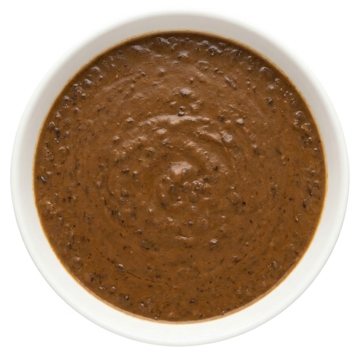
- Same: Dal Makhani shares urad dal, asafoetida, cumin, coriander, green chilli, and ghee or oil with this dish.
- Different: Dal Makhani is a simmered dal with onion, tomato as its souring agent, ginger garlic paste, cream and butter, while this dish is a deep-fried flour pastry stuffed with spiced urad dal and has no cream, tomato or butter.

- Same: Sookhi Mangori shares ghee, asafoetida, ginger, ground coriander, chilli and salt with this dish, and both are savoury Indian dishes built around a legume.
- Different: Sookhi Mangori uses moong dal dumplings simmered in an onion, tomato, garlic, turmeric and garam masala gravy, while this dish is a deep-fried plain-flour pastry with a urad dal filling seasoned with fennel, cumin, chilli powder and sugar.