Indian cooking
Indian cooking / Dishes / Dal Makhani
Dal Makhani (Creamy Black Dal)

Dal Makhani

Creamy Black Dal
Vegetarian●●●Origin PunjabPrep 30 minutes, plus soaking timeCook 6¼ hours

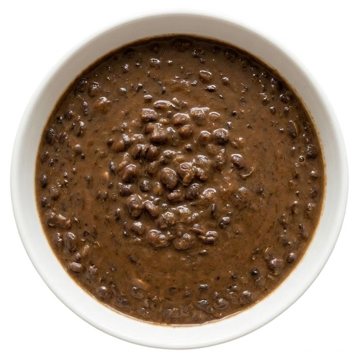
A slow-cooked, velvety North Indian black lentil stew enriched with butter and cream. It has an earthy, deeply savoury flavour with a gentle kick of chilli and subtle aromatics.

Ginger, garlic, and chilli mix

52 gAdded to the softened lentils (step 3)
Mix together into a paste.

Everything else

01
400 g
legume
02
27 g2 tablespoons
oil/fat
03
400 g
vegetable
04
150 g
dairy
05
127 g125 ml
dairy
06
to taste
salt

Method

  1. Cover 400 g whole urad dal with ample water and leave to soak overnight, then drain well.
  2. Place the soaked dal into a large, heavy-bottomed pan with 27 g vegetable oil and 3 litres of water. Bring to a rolling boil over high heat, then drop the flame to very low, fit a lid, and simmer for roughly 4 hours until the lentils are thoroughly cooked and soft.
  3. Add the ginger, garlic, and chilli mix and salt to taste. Simmer for approximately 1 hour, frequently pressing the lentils against the interior sides of the pot with a spatula and scraping down the walls to thicken the stew.
  4. Incorporate 400 g puréed tomato and 150 g unsalted butter. Keep simmering for another 1 hour, continuing to crush the lentils and scrape the edges periodically as it thickens.
  5. Stir in 127 g single cream and immediately take the pot off the heat. Taste and adjust the salt as necessary, then top with an additional knob of unsalted butter to garnish.

Don't have something?

Whole urad dal
  • Black gram

    Use 100% of the weight. If using split black urad dal (chilka), cooking time reduces by roughly a third; if using skinless white urad, the dal will lack the dark hue and earthy skin flavour.

  • Dried red kidney bean

    Use 100% of the weight, soaked overnight and pressure cooked until tender. Provides the hearty texture needed in slow-cooked lentils like Dal Makhani.

Vegetable oil
  • Peanut oil

    Use 1:1 by weight. Handles high-heat frying identically and introduces a very subtle, pleasant nuttiness.

  • Ghee

    Use 1:1 by weight. Yields a much richer, authentic aroma and a glossy, heavier mouthfeel.

  • Mustard oil

    Use 1:1 by weight. Heat until smoking, then cool slightly before cooking to temper its intensely pungent, sharp mustard kick.

Garlic paste
  • Garlic

    Use equal weight; crush or finely grate to a smooth pulp to replicate the same fresh, pungent moisture in your base gravy.

  • Garlic powder

    Use 20 to 25% of the weight; mix with a teaspoon of water before adding to oil so it does not burn, noting it lacks the fresh bite.

Ginger paste
  • Fresh ginger

    Use equal weight; peel and grate very finely on a microplane or pound to a fine paste in a mortar.

  • Ginger

    Use equal weight; mince finely and crush with the flat of a knife before frying.

  • Ground ginger

    Use 20% of the weight; add directly with the dry spice powders, though it yields an earthier, less pungent profile.

Chilli powder
  • Red chilli powder

    Use 100% of the weight. Provides direct, sharp heat and red colour in equal measure.

  • Kashmiri chilli powder

    Use 150% to 200% of the weight if matching colour, but add a pinch of black pepper or hot chilli if you need equivalent fiery heat.

  • Cayenne pepper

    Use 75% to 100% of the weight. Offers a sharp, clean heat with slightly less earthy depth and less crimson colour.

Tomato
  • Tomato purée

    Use 40% to 50% of the fresh tomato weight mixed with a splash of water. Imparts a deeper red colour, thicker sauce, and slightly sweeter cooked flavour.


  • Plain yogurt

    Use 60% of the weight, whisked smooth and added on low heat. Provides rich body and sourness, though the gravy becomes paler and creamier.

Unsalted butter
  • Ghee

    Use 80% to 85% of the weight. Delivers rich dairy flavour without the milk solids or moisture; watch the heat as it cooks hotter.

  • Butter

    Use equal weight, but reduce the recipe's added salt by approximately 1.5% of the weight of butter used.

Single cream
  • Whole milk

    Use equal weight, whisked with a small knob of unsalted butter. Simmer gently over low heat to reduce curdling; sauce will be slightly lighter.

  • Clotted cream

    Use 50% weight combined with 50% whole milk, whisked until smooth. Adds intense richness, so stir in at the very end off the heat.

  • Cashew paste

    Use 60% cashew paste mixed with 40% warm water. Creates a silky, luxurious thickening that won't split even under high heat.

Similar dishes

Kali Daal
Black Lentils
Kali Daal tastes more warmly spiced and slightly sweet, with a lighter finish than the intensely buttery, tomato-rich profile of this dish.
  • Same: Kali Daal shares a slow-cooked whole black lentil base flavoured with ginger, garlic, chilli powder, and cream.
  • Different: Kali Daal adds garam masala and sugar, while using significantly less cream and omitting the large quantities of butter and tomatoes used in this dish.
Hari Matar ke Kofte
Green Gram Balls in Yoghurt Sauce
Hari Matar ke Kofte is tangier and more aromatic from the yoghurt and tempered cumin, whereas this dish is much richer, buttery, and earthy.
  • Same: Hari Matar ke Kofte also pairs a pulse-based element with garlic paste, chilli powder, and a dairy-enriched gravy.
  • Different: Hari Matar ke Kofte uses fried green gram fritters in a yoghurt gravy seasoned with turmeric, cumin, and asafoetida, whereas this dish slow-cooks whole urad dal with tomatoes, ginger, butter, and cream.
Aloo Vadiyan
Spicy Lentil Dumplings with Potatoes
Aloo Vadiyan is tangier from yogurt and more fragrant with cumin and coriander, rather than richly buttery, creamy, and deeply savoury like this dish.
  • Same: Both North Indian dishes feature lentils cooked in a tomato base with ginger, garlic, and chilli powder.
  • Different: Aloo Vadiyan uses potatoes and spiced lentil dumplings simmered in ghee with yogurt, onions, cumin seeds, turmeric, and ground coriander, lacking the whole urad dal, butter, and cream of this dish.
Ankur ka Raita
Mung Bean Sprout Raita
Ankur ka Raita tastes crisp, refreshing and tangy from yogurt, with crunchy sprouts and onion, mild heat and a light sweetness, while this dish tastes earthy, creamy and deeply savoury with rich butter and cream.
  • Same: Ankur ka Raita shares chilli powder and salt with this dish, and both are Indian dishes served alongside a meal.
  • Different: Ankur ka Raita is a yogurt-based side with mung bean sprouts, onion, green chilli, sugar, toasted cumin and coriander, while this dish is a slow-cooked urad dal stew with tomato, garlic paste, ginger paste, butter and cream.