
Sukhi Urad ki Dal
A dry, spiced lentil dish made with tender urad dal sautéed with fresh aromatics and finished with an aromatic whole-spice tempering.
Lentil spices
1.5 gAdded to the pan with the lentils and water (step 2)Tempering spices
3.4 gSizzled in ghee for the final tadka (step 4)Everything else

Method
- Submerge 125 g urad dal in a bowl of water to soak for 1 hour, then drain completely.
- Warm half of the 8.8 g ghee in a heavy pan set over medium heat. Sauté 2 g fresh ginger and 6 g green chilli for 1 minute until fragrant, then mix in the soaked dal, the lentil spices, to taste salt, and 500 ml water.
- Bring the liquid to a rolling boil, then lower the heat and let it simmer uncovered and undisturbed for roughly 25 minutes, until the water has fully evaporated and the dal is tender.
- Melt the remaining ghee in a small skillet over medium heat. Add the tempering spices and fry for 1 to 2 minutes, stirring until the dried chillies darken slightly and the cumin becomes aromatic.
- Pour the hot tempering over the cooked dal and stir gently to combine and heat through.
Don't have something?


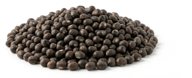 Whole black gram
Use equal weight. Needs longer soaking and cooking; the dark skins impart an earthy flavour and greyish-black hue unless thoroughly rubbed off.
 Chana dal
Use equal weight when tempering (tadka). Provides a comparable nutty, crunchy texture in hot oil, though grains are slightly larger.
 Split mung beans
Use equal weight for batters or dals. Ferments and cooks faster, producing a lighter, less sticky, and less viscous consistency.


 Unsalted butter
Use 120% of the weight; melt gently over low heat to avoid burning the milk solids, which will yield a softer, creamier richness rather than a nutty aroma.
 Vegetable oil
Use 85% of the weight; holds high cooking temperatures without smoking, but the final dish will lack traditional dairy depth.
 Mustard oil
Use equal weight; heat to smoking point and cool slightly before cooking, bearing in mind it introduces an assertive, pungent edge.


 Ginger paste
Use equal weight. Sauté in hot fat until the raw allium smell disappears; slightly wetter, but provides identical warmth and pungency.
 Ground ginger
Use 20% to 25% of the weight (1 g for every 4 to 5 g fresh). Stir into the gravy; adds peppery heat and warmth, though it misses the crisp, zesty kick of raw root.


 Chilli powder
Use 10 to 15% of the weight (about 1/4 teaspoon per chilli); imparts dry pungent heat and reddens the dish without the grassy crunch.
 Dried red chilli
Use 1 dried pod per fresh green chilli; snap in half and temper in hot oil for a deeper, toastier heat.


- Ground ginger
Use 50% of the weight. Mimics turmeric's warm, earthy, rhizome background, but provides none of the golden-yellow colour.
 Saffron
Steep a tiny pinch (0.1 g per 2 g turmeric) in 2 tbsp warm water; use to match the rich golden hue. Contributes an aristocratic, honeyed floral flavour rather than earthy bitterness.


 Garlic powder
Use double the weight. Stir into hot oil just before adding wet ingredients; mimics the allium savoury background without the sulphurous edge.
 Garlic paste
Use 2 g for every 0.5 g of asafoetida. Sauté in oil until the raw smell clears; adds moisture and sweet allium depth.


 Ground cumin
Use 70% of the weight; add with ground spices or sauce bases rather than hot oil tempering, where it scorches quickly and turns bitter.
 Black cumin seeds
Use equal weight for oil tempering. Delivers an earthy profile with an additional musky, smoky, and slightly bitter edge.
 Fennel seed
Use 60% of the weight for tempering; offers comparable warm aroma, but leans sweet and liquorice-like rather than savoury and earthy.


 Dried kashmiri chilli
Use equal weight whole. Fry in hot oil or ghee as tempered spice; gives a richer red colour with slightly milder heat.
 Red chilli powder
Use 50% to 70% of the weight. Stir into the oil with ground spices; distributes heat evenly throughout the dish without whole chilli skins.
Similar dishes

- Same: Hari Matar ke Kofte shares cumin seeds, dried red chillies, green chillies, turmeric, asafoetida, and a ghee tempering with this dish.
- Different: Instead of a dry sautéed urad dal seasoned with fresh ginger, Hari Matar ke Kofte features fried fritters served in a yogurt gravy flavored with garlic paste and chilli powder.
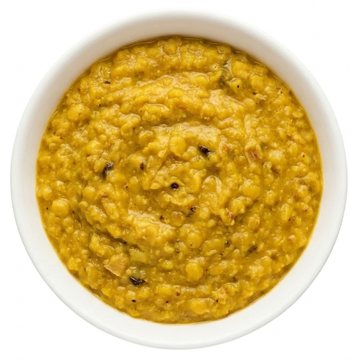
- Same: Both preparations are thick, dry lentil dishes tempered in ghee with fresh ginger, turmeric, and asafoetida.
- Different: Lachko Dal is cooked into a dense mash using yellow toor dal rather than urad dal, and it completely omits the cumin seeds, green chillies, and dried red chillies.

- Same: Masoor Dal shares with this dish the use of lentils, turmeric, ghee, dried red chilli and salt.
- Different: Masoor Dal uses split red lentils instead of urad dal, omits ginger, cumin seed and asafoetida, and adds ajwain seeds and coriander leaf; it also uses much more green chilli and is a quick-cooking, softer dal rather than a dry sautéed urad dish.

- Same: Moong Dal aur Palak shares the same base aromatics and spices as this dish, using fresh ginger, green chillies, cumin seeds, asafoetida, and ground turmeric.
- Different: Instead of dry urad dal sautéed in ghee with dried red chillies, it is prepared as a wet stew using moong dal, 250 g of spinach, and vegetable oil.