Indian cooking
Indian cooking / Dishes / Bhuja Haaz
Bhuja Haaz (Stir-fried Duck)

Bhuja Haaz

Stir-fried Duck
Non-vegetarian●●●Origin Tribal North East IndiaPrep 1 hour, plus soaking timeCook 10 minutes

A brisk Assamese stir-fry featuring tender strips of duck cooked with crisp vegetables, savoury bean paste, and a balancing splash of vinegar in chilli-infused mustard oil.

Chilli for infusing the oil

8 gFried in the hot oil (step 3)
01
Dried red chilli · Sukhi Lal Mirchde-seeded and broken into small pieces
8 g8 chillies
spice
Keep the broken pieces ready to infuse the oil and discard.

Everything else

01
25 g2 tablespoons
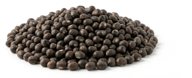
legume
02
1500 g1 duck
poultry
03
14 g1 tablespoon
oil/fat
04
150 g1 onion
vegetable
05
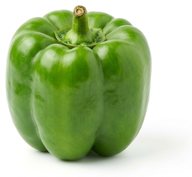
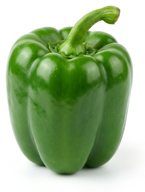
120 g1 pepper
vegetable
06
Celeryshredded
40 g1 stalk
vegetable
07
6 g2 cloves
aromatic
08
8 g2 teaspoons
sweetener
09
15 g1 tablespoon
liquid
10
15 g1 tablespoon
souring agent

Method

  1. Submerge 2 tablespoon beans in water for 30 minutes. Drain thoroughly, then blend into a paste, adding a splash of water if needed to help the blades turn.
  2. Clean and debone 1 duck, then slice the meat into thin, matchstick-sized strips.
  3. Warm 13.5 g mustard oil in a large frying pan set over medium heat. Fry the chilli for infusing the oil for 1 minute to flavour the fat, then fish out the pieces and discard them.
  4. Tip 150 g onion, 1 green pepper, 1 celery, 6 g garlic, and the blended bean paste into the hot oil. Stir-fry for 5 minutes.
  5. Add the duck strips, 8.4 g granulated sugar, and 1 tablespoon soy sauce. Continue stir-frying briskly for 2 to 3 minutes.
  6. Pour in 1 tablespoon vinegar, toss constantly for 10 seconds, and serve immediately.

Don't have something?

Whole black gram
  • Whole black gram

    Use the same weight; soak and cook identically—it is the same dal.

  • Black urad dal

    Use the same weight; same soaking and cooking time.

  • Whole mung bean

    Use the same weight; it cooks 10–15 minutes faster and is less sticky.

Duck
  • Chicken thigh

    Use the same weight, skinless and boneless or bone-in as you prefer. Cooks much faster, so add later and simmer 20–30 minutes less; add a little extra oil for richness.

  • Lamb shoulder

    Use the same weight. Needs 30–45 minutes more simmering until tender. Richer and stronger-flavoured than duck.

  • Pork with fat

    Use the same weight. Cook through thoroughly; it is less gamey and slightly sweeter. Adjust salt and spices after tasting.

Mustard oil
  • Peanut oil

    Use equal weight. It handles high-heat cooking well, but lacks the signature pungent, nasal heat of mustard oil.

  • Vegetable oil

    Use equal weight. Neutral in flavour, so your curry will lack the characteristic Bengali or North Indian pungent punch.

Dried red chilli
  • Dried kashmiri chilli

    Use equal weight whole. Fry in hot oil or ghee as tempered spice; gives a richer red colour with slightly milder heat.

  • Red chilli powder

    Use 50% to 70% of the weight. Stir into the oil with ground spices; distributes heat evenly throughout the dish without whole chilli skins.

Onion
  • Shallot

    Use equal weight, finely sliced. Shallots soften and brown faster, giving a slightly sweeter and more delicate base to curries.

  • Cabbage

    Use 80% of the weight, finely shredded and browned slowly with a pinch of asafoetida. Replicates the bulk and natural sweetness in gravies without allium.

Green bell pepper
  • Bell pepper

    Use the same weight, deseeded and diced; colour may change but flavour is similar.

  • Red bell pepper

    Use the same weight; sweeter and more colourful.

  • Yellow bell pepper

    Use the same weight; milder and sweeter.

Celery
  • Spring onion

    Use the same weight; slice the white and green parts and add a little later. It gives a milder oniony crunch rather than celery's bitter edge.

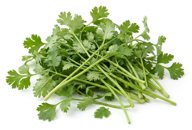
  • Coriander (cilantro) stem

    Use the same weight; chop finely and add as an aromatic. It gives a green, fresh note but no crunch.

  • Cabbage

    Use the same weight; cut into thin strips and cook 2–3 minutes less. It provides crunch but is bland, so add a pinch of salt and a squeeze of lime.

Garlic
  • Garlic paste

    Use equal weight. Fry gently in oil or ghee with the ginger; incorporates smoothly into curries without visible minced bits.

  • Garlic powder

    Use 15% to 20% of the weight (about 1 g for every 5 to 6 g fresh cloves). Whisk into sauces; gives a savoury, toasted garlic flavour without raw pungency.

  • Shallot

    Use 1.5 times the weight, very finely minced. Sauté until golden; provides savoury allium sweetness, though it lacks garlic's pungent sulphur bite.

Granulated sugar
  • Jaggery

    Use equal weight; grate or shave finely so it dissolves rapidly, giving a warm, caramel-like sweetness and slightly darker sauce.

Soy sauce
  • Mushroom soy sauce

    Use 80% of the weight; darker and more intense, so taste before adding extra salt.

  • Worcestershire sauce

    Use the same weight; sweeter and tangy, with less pure soy depth. Reduce added salt slightly.

  • Fermented soya bean paste

    Use 50% of the weight, loosen with a little water and add salt carefully. Stronger, thicker fermented flavour.

Vinegar
  • White vinegar

    Use 100% of the weight directly. It delivers an identical sharp, clean acidity to curries and marinades.

  • Lemon juice

    Use 100% of the weight. Add towards the end of cooking off the heat; introduces a fruity citrus aroma rather than pungent acetic sharpness.

  • Tamarind extract

    Use 75% of the weight diluted in a splash of warm water. Gives a rich, fruity sourness and darkens the gravy.

Similar dishes

Bathak Peri-Peri
Roast Duck with ‘Peri-Peri’
Bathak Peri-Peri is more heavily spiced and tart from the tamarind and warm spices, lacking the mild sweetness of this dish.
  • Same: Both dishes feature duck cooked with onions, chillies, and a sour hit of vinegar.
  • Different: Bathak Peri-Peri is roasted rather than stir-fried in mustard oil, incorporating tamarind, ginger, cumin, cinnamon, cloves, and black peppercorn while omitting garlic and sugar.
Masala Pomfret
Spicy Stuffed Pomfret (Butterfish)
Masala Pomfret has an earthier, ginger-spiced profile, lacking the mustard oil punch and sweet onion base of this dish.
  • Same: Both dishes season their protein with dried red chillies, garlic, vinegar, and a touch of sugar.
  • Different: Masala Pomfret shallow-fries whole fish in vegetable oil with cumin seeds and ginger, whereas this dish stir-fries duck in mustard oil with onions.
Duck Breast with Sesame & Tamarind Sauce
It tastes rich, nutty and aromatic with tangy pickle and gentle heat, while this dish is savoury, vinegar-sharp and hot from chilli-infused mustard oil with crisp vegetables.
  • Same: It shares duck, onion and chilli heat with this dish, and both use a sour element and a chilli-infused oil.
  • Different: It uses duck breast fillet with a sesame, cashew and coconut masala, tamarind and pickled cucumber, while this dish is a stir-fry of duck strips with black gram, bean paste, soy sauce, vinegar, bell pepper and celery in mustard oil.
Ishtoo (I)
Lamb Stew (I)
Ishtoo (I) is richer, milder, and creamy from the yogurt and cloves, lacking the sharp mustard pungency and sweet-and-sour profile of this dish.
  • Same: Both dishes season rich meat with an aromatic base of onions, garlic, and dried red chillies alongside an acidic element.
  • Different: Ishtoo (I) is a slow-cooked lamb stew made with yogurt, cloves, and ghee or vegetable oil, whereas this dish is a duck stir-fry cooked in mustard oil with vinegar, sugar, and bean paste.