
Ankur ka Raita
A crisp, refreshing yogurt side dish loaded with crunchy sprouted mung beans and sharp onions, subtly balanced with sugar and aromatic toasted cumin.
raita spices
3.4 gStirred into the beaten yogurt along with the vegetables (step 2)Everything else


Method
- Beat 507 g plain yogurt in a mixing bowl until completely smooth.
- Fold in 115 g mung bean sprouts, 150 g chopped onion, 6 g chopped green chilli, 4.2 g granulated sugar, the raita spices, and salt to taste, stirring thoroughly to distribute everything evenly.
- Scatter coriander leaf over the surface.
- Refrigerate for 30 minutes before serving.
Don't have something?


 Yogurt
Use equal weight, whisked thoroughly until smooth before adding to hot dishes to prevent curdling.
 Coconut milk
Use equal weight with 1 teaspoon lemon juice mixed in. Provides rich creaminess in curries, but adds a noticeable coconut flavour.
 Single cream
Use 80% of the weight plus a squeeze of lemon juice for acidity. Enriches sauces nicely, though it is richer and less tangy.


 Mung bean sprouts
Same pulse, usually longer sprouts; use the same weight and blanch 1-2 minutes.
 Sprouted mung bean
Use the same weight; cook 2-3 minutes longer if they are firm.
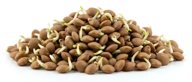 Sprouted whole brown lentil
Use the same weight; blanch 2 minutes. Earthier and slightly chewier.


 Chilli powder
Use 10 to 15% of the weight (about 1/4 teaspoon per chilli); imparts dry pungent heat and reddens the dish without the grassy crunch.
 Dried red chilli
Use 1 dried pod per fresh green chilli; snap in half and temper in hot oil for a deeper, toastier heat.


 Jaggery
Use equal weight; grate or shave finely so it dissolves rapidly, giving a warm, caramel-like sweetness and slightly darker sauce.





 Red chilli powder
Use 100% of the weight. Provides direct, sharp heat and red colour in equal measure.
 Kashmiri chilli powder
Use 150% to 200% of the weight if matching colour, but add a pinch of black pepper or hot chilli if you need equivalent fiery heat.
 Cayenne pepper
Use 75% to 100% of the weight. Offers a sharp, clean heat with slightly less earthy depth and less crimson colour.


 Ground cumin
Use 70% of the weight; add with ground spices or sauce bases rather than hot oil tempering, where it scorches quickly and turns bitter.
 Black cumin seeds
Use equal weight for oil tempering. Delivers an earthy profile with an additional musky, smoky, and slightly bitter edge.
 Fennel seed
Use 60% of the weight for tempering; offers comparable warm aroma, but leans sweet and liquorice-like rather than savoury and earthy.


Similar dishes
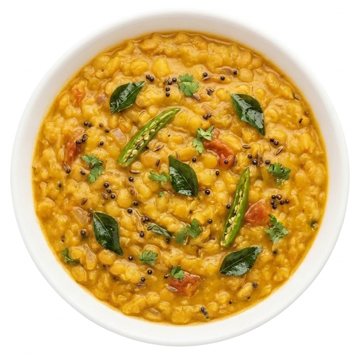
- Same: Tadka Dal shares cumin seed, green chilli, onion, sugar, salt and coriander leaf with this dish.
- Different: Tadka Dal has masoor dal, turmeric, vegetable oil, mustard seed, curry leaf, garlic and tomato, and it is a boiled dal with an oil tempering and tomato tang, while this dish is a no-cook yogurt raita with mung bean sprouts.

- Same: Both dishes use plain yogurt as a primary base seasoned with cumin seeds, green chillies, and chilli powder.
- Different: Hari Matar ke Kofte is a hot, cooked curry of fried green gram dumplings tempered in oil and ghee with garlic, turmeric, and asafoetida, whereas this dish is a cold, uncooked raita featuring raw sprouted mung beans, onions, and sugar.

- Same: Both dishes feature moong beans seasoned with cumin seeds, green chillies, chilli powder, and sugar.
- Different: Aam Ada Diya Bhaaja Moong Dal is a hot, cooked dal simmered with ghee, milk, turmeric, bay leaf, and galangal, whereas this dish is a cold, uncooked yogurt side mixed with raw onion.

- Same: Payatham Parappu Dosa shares the use of mung beans as the primary ingredient, seasoned with cumin seeds, green chillies, and fresh coriander leaf.
- Different: Payatham Parappu Dosa is a batter griddled in vegetable oil with ginger, curry leaves, and fenugreek seeds, omitting this dish's raw onions, chilli powder, sugar, and yogurt.