
Uttarakhand Ka Pahadi Raita
A cooling cucumber raita made with thick yoghurt, grated cucumber and a pungent crushed-seed spice mix. It tastes fresh and tangy, with mustard heat, cumin warmth and a mild chilli lift.
Raita spices
7 gCrushed and stirred into the yoghurt-cucumber mixture (steps 2–3)Everything else

Method
- Put 350 g plain yoghurt, 300 g coarsely grated cucumber and salt to taste into a large bowl. Stir well.
- Coarsely crush 3.3 g yellow mustard seed and 2.1 g cumin seed in a pestle and mortar, then stir in 1.3 g kashmiri chilli powder and 0.3 g ground turmeric.
- Stir the raita spices (the masala) into the yoghurt-cucumber mixture.
- Add 2 g finely chopped coriander leaf and mix well.
- Refrigerate until chilled; the mustard flavour will strengthen as it stands.
- Drizzle with 4.5 g mustard oil and a pinch of extra kashmiri chilli powder before serving.
Don't have something?


 Yogurt
Use equal weight, whisked thoroughly until smooth before adding to hot dishes to prevent curdling.
 Coconut milk
Use equal weight with 1 teaspoon lemon juice mixed in. Provides rich creaminess in curries, but adds a noticeable coconut flavour.
 Single cream
Use 80% of the weight plus a squeeze of lemon juice for acidity. Enriches sauces nicely, though it is richer and less tangy.


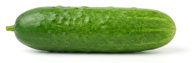
 Courgette
Use the same weight; peel if eating raw and salt-drain briefly. Softer and less watery.
 White radish
Use 70% of the weight, grate, salt and squeeze out water. Sharper and peppery.
 Chayote
Use the same weight, peeled and diced; crisp but bland, so adjust salt and lemon.


 Mustard seed
Use the same weight for tempering. It is the closest match; watch the heat because it can pop faster than yellow mustard seed.
 Black mustard seed
Use the same weight, or 75% if you want less heat. It is sharper and more pungent; temper in hot oil as usual.
 Mustard powder
Use about half the weight of whole seed, mix with a little water and add near the end. It will not give the same whole-seed crunch in a tempering.


 Ground cumin
Use 70% of the weight; add with ground spices or sauce bases rather than hot oil tempering, where it scorches quickly and turns bitter.
 Black cumin seeds
Use equal weight for oil tempering. Delivers an earthy profile with an additional musky, smoky, and slightly bitter edge.
 Fennel seed
Use 60% of the weight for tempering; offers comparable warm aroma, but leans sweet and liquorice-like rather than savoury and earthy.


 Dried kashmiri chilli
Grind deseeded dried pods to an equal weight of powder; gives identical vivid red colour and gentle warmth.
 Red chilli powder
Use 25% of the weight mixed with sweet paprika for colour; straight red chilli powder is substantially hotter and will make the dish fiery.
 Chilli powder
Use one-third of the weight; the sauce will be less intensely red and notably sharper in heat.


 Ground ginger
Use 50% of the weight. Mimics turmeric's warm, earthy, rhizome background, but provides none of the golden-yellow colour.
 Saffron
Steep a tiny pinch (0.1 g per 2 g turmeric) in 2 tbsp warm water; use to match the rich golden hue. Contributes an aristocratic, honeyed floral flavour rather than earthy bitterness.


 Peanut oil
Use equal weight. It handles high-heat cooking well, but lacks the signature pungent, nasal heat of mustard oil.
 Vegetable oil
Use equal weight. Neutral in flavour, so your curry will lack the characteristic Bengali or North Indian pungent punch.


Similar dishes

- Same: Kakdi ka Raita shares a yoghurt-and-cucumber base, cumin seed, coriander leaf and salt with this dish.
- Different: It uses more full-fat yoghurt and cucumber and far more coriander, and it lacks this dish's mustard seed, Kashmiri chilli powder, turmeric and mustard oil.

- Same: Cucumber Pachadi shares cucumber, yoghurt, mustard seed, cumin, turmeric, coriander and salt with this dish.
- Different: Cucumber Pachadi adds coconut, sugar, green chilli, dried red chilli and curry leaves, and it uses a hot oil tempering with vegetable or coconut oil instead of this dish's mustard oil; it also uses much less yoghurt and more cucumber than this dish.

- Same: Mirch Tadkewalli Dahi shares plain yoghurt, mustard seeds, cumin seeds, Kashmiri chilli and mustard oil with this dish.
- Different: Mirch Tadkewalli Dahi lacks cucumber, coriander leaf and ground turmeric, and it adds water, sugar and dried Kashmiri chillies with a much larger amount of mustard oil in a whole-spice tempering.
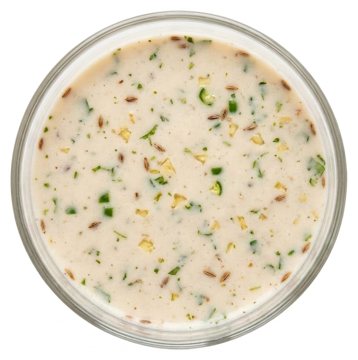
- Same: Mattha/Chaas shares thick yoghurt, cumin, coriander and salt with this dish, and both are cooling and lightly spiced.
- Different: Mattha/Chaas adds water and uses Greek yoghurt, fresh ginger and green bird's-eye chilli, but it lacks cucumber, mustard seeds, mustard oil, turmeric and Kashmiri chilli powder; it is a whisked drink rather than a grated-cucumber raita with crushed seeds.