Indian cooking
Indian cooking / Dishes / Sirkewala Achar
Sirkewala Achar (Mixed Vegetable Pickle)

Sirkewala Achar

Mixed Vegetable Pickle
VegetarianOrigin PunjabPrep 15 minutes, plus standing timeMakes 250g / 9oz

A crisp and tangy mixed vegetable pickle steeped in a mild, lightly sweetened vinegar brine. It offers a punchy, sharp, and refreshing crunch with a touch of savoury olive oil.

Ingredients

01
60 g4 tablespoons
souring agent
02
2.1 g½ teaspoon
sweetener
03
30 g4 tablespoons
vegetable
04
34 g4 tablespoons
vegetable
05
65 g
vegetable
06
9 g3 cloves
aromatic
07
Onion · Pyazcut into pieces
150 g1 onion
vegetable
08
14 g1 tablespoon
oil/fat
09
to taste
salt

Method

  1. Pour 250 ml water into a large saucepan and add 60 g white malt vinegar, 2.1 g granulated sugar, and salt to taste. Bring the mixture to a boil, then immediately take the pan off the heat.
  2. Add 4 tbsp sliced vegetables, 4 tbsp vegetable strips, 65 g florets, 9 g garlic, 150 g onion, and 13.5 g olive oil to the hot liquid. Stir thoroughly to coat and adjust the salt if needed.
  3. Let the mixture stand at room temperature for about 2 hours to pickle, then transfer everything into sterilised glass jars.

Don't have something?

White malt vinegar
  • White vinegar

    Use 90% of the weight. It is sharper and lacks the mild malty grain undertone, so temper with a tiny pinch of sugar if needed.

  • Lemon juice

    Use 100% of the weight. Best for marinades or quick chutneys; imparts fresh citrus flavour instead of fermented acidity.

Granulated sugar
  • Jaggery

    Use equal weight; grate or shave finely so it dissolves rapidly, giving a warm, caramel-like sweetness and slightly darker sauce.

Carrot
  • Turnip

    Use the same weight; peel and cut as for carrot. It is less sweet and slightly peppery, so add a pinch of sugar and expect a softer, more earthy result.

  • Potato

    Use the same weight; cut into similar pieces and add 5–10 minutes' extra cooking. It gives bulk but no carrot sweetness or colour.

  • Courgette

    Use the same weight; cut a little larger and add near the end. It releases water, so reduce other liquid slightly and expect a softer texture.

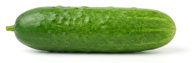
Cucumber
  • Courgette

    Use the same weight; peel if eating raw and salt-drain briefly. Softer and less watery.

  • White radish

    Use 70% of the weight, grate, salt and squeeze out water. Sharper and peppery.

  • Chayote

    Use the same weight, peeled and diced; crisp but bland, so adjust salt and lemon.

Cauliflower
  • Broccoli

    Use the same weight; cut into similar florets and cook 2–3 minutes less. It is greener and slightly stronger in flavour.

  • Cauliflower floret

    Use the same weight and break into even florets. This is essentially the same vegetable, so cooking and flavour change little.

  • Cabbage

    Use the same weight; cut into wedges and cook 3–5 minutes less. It becomes much softer and sweeter, so the dish loses cauliflower's bite.

Garlic
  • Garlic paste

    Use equal weight. Fry gently in oil or ghee with the ginger; incorporates smoothly into curries without visible minced bits.

  • Garlic powder

    Use 15% to 20% of the weight (about 1 g for every 5 to 6 g fresh cloves). Whisk into sauces; gives a savoury, toasted garlic flavour without raw pungency.

  • Shallot

    Use 1.5 times the weight, very finely minced. Sauté until golden; provides savoury allium sweetness, though it lacks garlic's pungent sulphur bite.

Onion
  • Shallot

    Use equal weight, finely sliced. Shallots soften and brown faster, giving a slightly sweeter and more delicate base to curries.

  • Cabbage

    Use 80% of the weight, finely shredded and browned slowly with a pinch of asafoetida. Replicates the bulk and natural sweetness in gravies without allium.


Olive oil
  • Peanut oil

    Use equal weight. Provides a high smoke point with mild flavour, well suited for sautéeing spices.

  • Vegetable oil

    Use equal weight. Neutral in flavour, making it a reliable all-round substitute for general frying and tempering.

Similar dishes

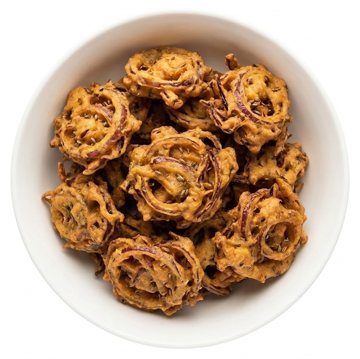
Onion Bhajiya
Onion Bhaji
Onion Bhajiya is rich, warm, and savoury rather than crisp, sharp, and tangy like this dish.
  • Same: Onion Bhajiya shares onions, oil, and salt with this dish.
  • Different: Instead of steeping raw onions and garlic in a sweetened vinegar brine with olive oil, Onion Bhajiya seasons onions with ajwain seeds and deep-fries them in vegetable oil.
Pyaz ka Achar
Onion Pickle
Pyaz ka Achar is substantially sweeter, more pungent, and spiced compared to the lighter, milder taste of this dish.
  • Same: Pyaz ka Achar also relies on white malt vinegar as its souring base along with garlic and a sweetener.
  • Different: Pyaz ka Achar omits olive oil and incorporates jaggery, chilli powder, cumin seed, and garam masala.
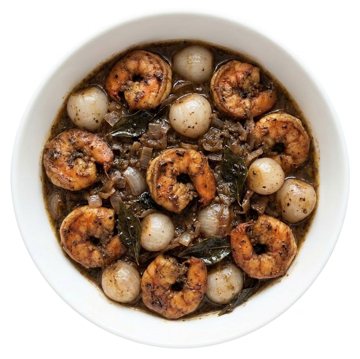
Shevandi Kada
King Prawns (Jumbo Shrimp) with Baby (Pearl) Onions
Shevandi Kada is warm, peppery, and savoury rather than sharply acidic and vinegar-forward like this dish.
  • Same: Shevandi Kada shares a base of onions seasoned with sugar and salt.
  • Different: Shevandi Kada is a cooked seafood dish made with prawns, vegetable oil, curry leaves, and black pepper, whereas this dish is a raw pickle cured in white malt vinegar, olive oil, and garlic.
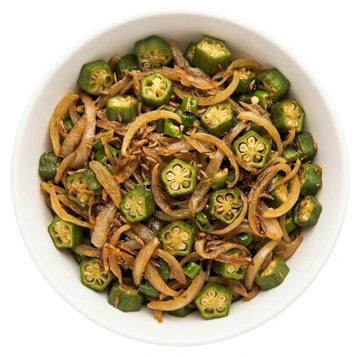
Bhindi Pyaz
Crispy Okra with Onions
Bhindi Pyaz tastes warm, savoury, and mildly spicy with sweet browned onions, whereas this dish is sharp, tangy, and acidic from vinegar.
  • Same: Bhindi Pyaz also features onions as a main ingredient prepared with oil and salt.
  • Different: Bhindi Pyaz is a hot, dry-fried curry made with vegetable oil, green chillies, and cumin seeds, omitting the vinegar brine, olive oil, garlic, and sugar used in this dish.