
Sembharachi Kodi
A fragrant Goan seafood curry combining fresh and dried prawns in a rich, coconut-milk gravy sharpened with tamarind.
Ingredients


Method
- Toss 250 g dried prawns and 250 g fresh prawns with salt to taste in a bowl. Cover and chill in the fridge for 30 minutes.
- Whisk 3 tbsp Sambhar Masala into 254 g coconut milk until thoroughly integrated.
- Warm 54 g vegetable oil in a heavy-bottomed pan set to low heat. Add 150 g sliced onion, 12 g grated ginger, and 30 g crushed garlic, cooking with frequent stirring for 8 to 10 minutes until deep golden.
- Fold in the chilled prawns and 60 g chopped green chilli, sautéing everything together for 3 minutes.
- Pour in the prepared coconut milk mixture and raise the burner to bring the curry to a boil. Incorporate 3 tbsp tamarind extract (Imli ka Sutt), lower the flame to medium, and simmer for 2 to 4 minutes.
Don't have something?
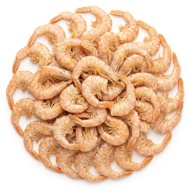
 Small prawn
Use about twice the weight, add later and cook briefly. Fresher, milder and less salty; reduce added salt.
 Dried bombay duck
Use about 70% of the weight, rinse and crush. Similar dried-fish pungency but different texture.
 Raw prawn
Use about twice the weight, add in the last few minutes. Gives prawn body but not the concentrated dried flavour.


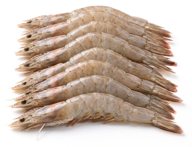
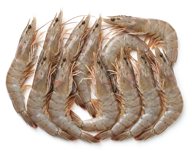 King prawn
Use the same weight; cut large ones into 2 cm pieces. Sweeter and firmer; cook 1–2 minutes longer.
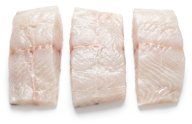 Firm white fish fillet
Use the same weight, cut into chunks. Add 3–4 minutes later; milder and less sweet, and it flakes easily.
- Small prawn
Use the same weight; they cook faster, so add 2 minutes later. More numerous and slightly sweeter.


 Chettinad sambhar powder
Use 80% of the weight; it is hotter and more peppery. Add the rest after tasting.
 Lentil stew spice mix
Use the same weight; it is the same style of blend, though brand strength varies.
 Garam masala
Use 60% of the weight with 1 tsp ground coriander and a pinch of dried red chilli. It will be warmer and less sour.


 Single cream
Use equal weight; simmer gently over low heat to prevent curdling. Imparts a comparable rich texture, though it adds dairy richness without any coconut fragrance.
 Cashew paste
Whisk 1 part cashew paste with 2 parts water to match the consistency, then use equal weight. Provides a thick, velvety body without coconut flavour.
 Whole milk
Use equal weight, but reduce other cooking liquids by 20% to compensate for the lower viscosity. The curry will be lighter and lack sweetness.


 Peanut oil
Use 1:1 by weight. Handles high-heat frying identically and introduces a very subtle, pleasant nuttiness.
 Ghee
Use 1:1 by weight. Yields a much richer, authentic aroma and a glossy, heavier mouthfeel.
 Mustard oil
Use 1:1 by weight. Heat until smoking, then cool slightly before cooking to temper its intensely pungent, sharp mustard kick.






 Fresh ginger
Use equal weight; scrape off the skin and grate or finely julienne according to the recipe.
 Ginger paste
Use equal weight; stir straight into the sizzling aromatics, taking care as the extra moisture may spit.
 Ground ginger
Use 15 to 20% of the weight; add alongside ground spices, noting it imparts warm, dry heat rather than zesty freshness.



 Garlic paste
Use equal weight. Fry gently in oil or ghee with the ginger; incorporates smoothly into curries without visible minced bits.
 Garlic powder
Use 15% to 20% of the weight (about 1 g for every 5 to 6 g fresh cloves). Whisk into sauces; gives a savoury, toasted garlic flavour without raw pungency.
 Shallot
Use 1.5 times the weight, very finely minced. Sauté until golden; provides savoury allium sweetness, though it lacks garlic's pungent sulphur bite.


 Chilli powder
Use 10 to 15% of the weight (about 1/4 teaspoon per chilli); imparts dry pungent heat and reddens the dish without the grassy crunch.
 Dried red chilli
Use 1 dried pod per fresh green chilli; snap in half and temper in hot oil for a deeper, toastier heat.



 Tamarind
Use 180% of the weight of compressed tamarind; soak in three times its weight of boiling water for 15 minutes, knead, and strain out the thick pulp.
 Dried mango powder
Use 35% of the weight dissolved in two tablespoons of warm water. Provides sharp tang, though the resulting sauce will be lighter in colour.
 Lemon juice
Use equal weight, added right at the end of cooking. Adds sharp acidity without the deep brown hue or pulpy thickness.


Similar dishes

- Same: Both are prawn curries simmered in coconut-based gravies with vegetable oil, ginger, and green chillies.
- Different: Chemeen Kari uses whole fresh coconut, shallots, curry leaves, and cambodge seasoned with ground turmeric and coriander, rather than coconut milk, onions, garlic, dried prawns, sambhar masala, and tamarind.

- Same: Like this dish, Nariyalna Doodh ma Bheeda ne Colmi simmers prawns in a rich coconut milk gravy seasoned with onions, garlic, green chillies, and tamarind.
- Different: It adds okra, cumin, turmeric, sugar, lime juice, and white malt vinegar, but leaves out the ginger, Sambhar Masala, and dried prawns used in this dish.

- Same: Both curries feature prawns cooked in an onion and coconut milk gravy.
- Different: Jhingri Machher Malikari uses mustard oil, ground turmeric, cumin, coriander, and sugar, but omits the ginger, garlic, fresh green chillies, tamarind, and sambhar masala used in this dish.

- Same: Chemeen Ada also uses prawns seasoned with fresh ginger, green chillies, and salt cooked in vegetable oil.
- Different: Instead of being simmered into a coconut milk and tamarind curry with onion, garlic, and sambhar masala, it adds curry leaves and is pan-fried as cutlets.