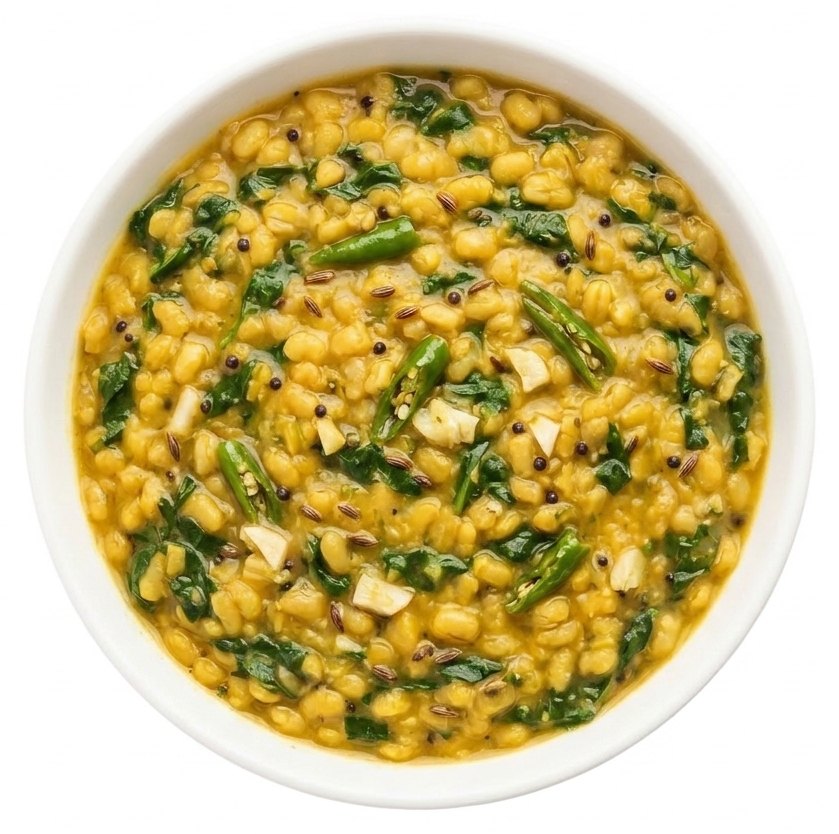
Rajasthani Palak Dal
A soft, garlicky moong dal with chopped spinach and a mustard-cumin tempering, finished with lemon. It is comforting, mildly spicy and bright.
Turmeric for the dal
3 gAdded with the dal and water at the start (step 1)Whole spices for the oil
8 gFried in the ghee before the garlic and chilli (step 5)Everything else

Method
- Put 250 g moong dal, 895 g water and the turmeric for the dal into a heavy saucepan. Bring to a boil over medium heat.
- Lower the heat to low, half-cover the pan and simmer for 30 minutes, stirring now and then, until the dal begins to soften and break down.
- Turn off the heat, mash the dal lightly with a potato masher and set the pan aside.
- Heat 40.5 g ghee or sunflower oil in a heavy saucepan over medium heat.
- Add the whole spices for the oil and fry for a few seconds, until they start to crackle and pop.
- Add 15 g garlic and 2 g green bird's-eye chilli and fry for a few seconds, stirring so they do not burn.
- Reduce the heat to low. Add the cooked dal gradually and fry for 2 minutes.
- Season with salt to taste and stir in 300 ml water. Cover and simmer over low heat for 4 minutes.
- Add 100 g spinach, cover and simmer for another 4 minutes.
- Stir in the juice of 50 g lemon, then turn off the heat.
Don't have something?

 Red lentils
Use equal weight. It cooks in about the same time and breaks down to a similar soft, creamy consistency, though the colour will be slightly pinkish-orange.
 Pigeon peas
Use equal weight. Requires longer soaking and cooking time, and produces a slightly earthier, denser dal.


 Stock
Use the same weight in savoury dishes; it adds body, so adjust salt.
 Milk
Use the same weight only in doughs or creamy dishes; it makes the result richer.
 Coconut water
Use the same weight in curries or rice; it adds sweetness and a faint coconut taste.


 Ground ginger
Use 50% of the weight. Mimics turmeric's warm, earthy, rhizome background, but provides none of the golden-yellow colour.
 Saffron
Steep a tiny pinch (0.1 g per 2 g turmeric) in 2 tbsp warm water; use to match the rich golden hue. Contributes an aristocratic, honeyed floral flavour rather than earthy bitterness.


 Peanut oil
Use equal weight; handles high tempering heat well and keeps flavours neutral.
 Butter
Use equal weight; cook over gentle heat to prevent browning the milk solids too quickly.


 Mustard seeds
Use equal weight. Pop in hot fat until they crackle and turn greyish; yields an almost identical nutty, pungent finish.
 Yellow mustard seeds
Use equal weight. Fry over medium heat; delivers a milder, sweeter pop and turns bitter quickly if the oil is excessively hot.


 Ground cumin
Use 70% of the weight; add with ground spices or sauce bases rather than hot oil tempering, where it scorches quickly and turns bitter.
 Black cumin seeds
Use equal weight for oil tempering. Delivers an earthy profile with an additional musky, smoky, and slightly bitter edge.
 Fennel seed
Use 60% of the weight for tempering; offers comparable warm aroma, but leans sweet and liquorice-like rather than savoury and earthy.



 Garlic paste
Use equal weight. Fry gently in oil or ghee with the ginger; incorporates smoothly into curries without visible minced bits.
 Garlic powder
Use 15% to 20% of the weight (about 1 g for every 5 to 6 g fresh cloves). Whisk into sauces; gives a savoury, toasted garlic flavour without raw pungency.
 Shallot
Use 1.5 times the weight, very finely minced. Sauté until golden; provides savoury allium sweetness, though it lacks garlic's pungent sulphur bite.


- Bird's eye green chilli
Use the same weight; heat and flavour are very close.
 Green chilli
Use 1.5 to 2 times the weight; deseed for less heat. Larger chillies are more watery.
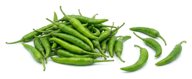 Fresh green chilli
Use 1.5 to 2 times the weight; chop finely and adjust heat by tasting.


 Amaranth leaves
Use equal weight; trim tough stems and cook as directed. Yields a very similar melting texture, though red varieties will tint the dish.
 Radish leaves
Use equal weight, finely chopped. Slightly more peppery, so sauté for two minutes longer to soften the bite.
 Mustard greens
Use 75% of the weight, finely shredded. Adds a robust, peppery bitterness; balance with a tiny pinch of sugar if needed.


 Lime
Use the same weight or juice amount; sharper, so taste before adding all the juice.
 Lemon juice
Use about 45–50 ml for 1 lemon; add off the heat to keep the freshness.
 Dried mango powder
Use 1 tsp for the juice of 1 lemon; add early. Sourness is flatter and less fresh.


Similar dishes

- Same: Moong Dal aur Palak shares moong dal, spinach, turmeric, cumin, green chilli and a citrus finish with this dish.
- Different: Moong Dal aur Palak uses vegetable oil, ginger, asafoetida and more spinach, while this dish uses ghee or sunflower oil, garlic, black mustard seed and lemon.

- Same: Palak Suva Ki Sabzi shares with this dish a soft lentil base with spinach, garlic, green chilli, cumin, turmeric and salt.
- Different: Palak Suva Ki Sabzi uses chana dal instead of moong dal and adds dill, tomato, ginger, asafoetida and ground coriander, with vegetable oil and no mustard seed or lemon.

- Same: Moog aur Palak ki Dal shares with this dish a lentil base cooked with turmeric and spinach, a mustard-cumin-garlic tempering, and a lemon finish.
- Different: Moog aur Palak ki Dal uses toor dal instead of moong dal, has much more spinach and green chilli, adds ginger paste, dried red chilli and curry leaf, and uses a larger total amount of oil or ghee.
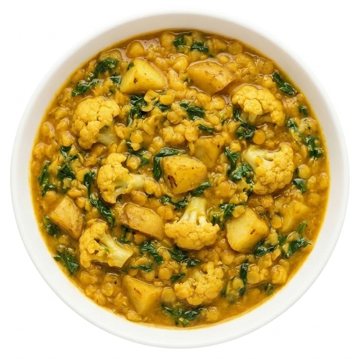
- Same: Moong Dal shares moong dal, spinach, cumin seed, green chilli, salt and ghee with this dish.
- Different: Moong Dal adds potato, cauliflower, bay leaf, ginger paste, sugar, garam masala and vegetable oil, and it lacks this dish's black mustard seed, garlic and lemon.