
Phalon ki Chaat
A vibrant, refreshing mix of fresh fruit tossed in savoury, sweet, and pungent spices. It tastes brightly tart, sweet, and earthy with a distinctive hint of roasted cumin and black salt.
Toasting spice
4.2 gToasted dry in the pan (step 1)Chaat spices
6 gTossed with the fruit (step 3)Everything else

Method
- Tip the toasting spice (4.2 g cumin seed) into a dry frying pan set over high heat. Toast for roughly 30 seconds until browned and fragrant, taking care not to scorch the seeds, then crush to a fine powder in a mortar or spice grinder.
- Place all the prepared fruit into a wide serving bowl and gently toss together.
- Add the ground roasted cumin, the chaat spices, 0.5 teaspoon black rock salt, 8.4 g granulated sugar, and 5.1 g lemon juice. Mix thoroughly to coat the fruit evenly, then refrigerate briefly before serving.
Don't have something?


 Ground cumin
Use 70% of the weight; add with ground spices or sauce bases rather than hot oil tempering, where it scorches quickly and turns bitter.
 Black cumin seeds
Use equal weight for oil tempering. Delivers an earthy profile with an additional musky, smoky, and slightly bitter edge.
 Fennel seed
Use 60% of the weight for tempering; offers comparable warm aroma, but leans sweet and liquorice-like rather than savoury and earthy.


 Green apple
Use the same weight; slightly tarter and firmer. Good where the apple should hold shape.
 Pear
Use the same weight; softer and sweeter. Cook a little less and reduce added sugar.
 Guava
Use the same weight; firmer and more aromatic. Peel if the skin is tough.


- Pear
Use the same weight; peel and core. Firmer and milder, so cook a few minutes longer and add lime juice for tartness.
- Green apple
Use the same weight; peel and core. More tart and holds shape; add a little sugar if needed.
- Apple
Use the same weight; peel and core. Sweeter and softer, so reduce cooking time slightly.

 Orange juice
Use about 80% of the weight if the recipe wants orange flavour in a liquid form; for segments, use juice only as a partial swap. It adds sweetness and acidity but no peel or flesh texture.
 Pineapple
Use the same weight, cut into small pieces. It is sweeter and more acidic; cook briefly if raw, and reduce any added sugar.
 Lemon or lime
Use about 30% of the weight, plus sugar to taste, when the recipe needs orange's acidity. It gives no orange aroma and is much sharper, so add gradually.


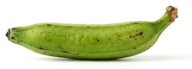 Plantain
Use the same weight; peel and slice. Less sweet, so add a little sugar if the dish needs it, and cook a few minutes longer.
 Ripe mango
Use the same weight, mashed; sweeter and more fragrant, best for desserts or sweet drinks.
 Canned mango pulp
Use the same weight and reduce any added sugar; gives a soft, pouring texture rather than slices.


- Green apple
Use the same weight, diced; more tart and crisp.
- Pear
Use the same weight, diced; softer and sweeter.
- Apple
Use the same weight, diced; less tart than green grape.


 Lemon juice
Use 15 g (1 tbsp) for every 5 g of amchoor. Stir in at the very end off the heat; adds liquid and fresh citrus aroma rather than dry fruity tang.
 Tamarind extract
Use 75% of the weight, dissolved in a splash of warm water. Simmer briefly; darkens the gravy and provides a deeper, caramelised sourness.


 Jaggery
Use equal weight; grate or shave finely so it dissolves rapidly, giving a warm, caramel-like sweetness and slightly darker sauce.


 Black peppercorn
Use 1:1 by weight; pulverise in a spice mill or mortar to a fine powder for immediate, punchy heat.
 Coarsely ground black pepper
Use equal weight; offers the same bite, though it gives a visibly speckled finish and firmer crunch.


 Dried mint
Use the same weight and crush finely; it is virtually the same.
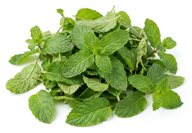 Mint leaves
Use about 3 times the weight, chop very fine; it is fresher and wetter, so reduce other liquid slightly.


 Lime juice
Use equal volume or weight; delivers almost identical sharp acidity with a faintly more aromatic, bitter-edged profile.
- Dried mango powder
Use 25% of the weight (about 1 g amchoor for 4 g juice); provides clean fruity tartness without thinning the sauce.
 White vinegar
Use 75% of the volume; gives direct sourness without any citrus floral fragrance.

Similar dishes

- Same: Tandoori Phal shares with this dish a fruit base and uses apple among its fruit.
- Different: Tandoori Phal caramelises skewered fruit and serves it with white chocolate, double cream, ground green cardamom and pistachio, while this dish tosses raw fruit with cumin, amchoor, black rock salt, pepper, dried mint, sugar and lemon juice.
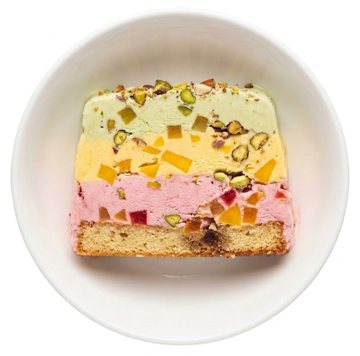
- Same: Fresh Fruit Cassata and this dish are both fruit-forward dishes with fruit as a main component.
- Different: Fresh Fruit Cassata is a layered frozen dessert made with Madeira cake, vanilla, strawberry, and pistachio ice creams, candied fruit, mango, dark rum, and crushed almonds and pistachios. This dish is a tossed fresh-fruit chaat with apple, guava, orange, banana, green grapes, lemon juice, cumin, amchoor, black salt, sugar, pepper, and dried mint.

- Same: Kumhare ki Subzi shares cumin seeds, amchoor, and sugar with this dish to create a sweet and sour foundation.
- Different: Kumhare ki Subzi is cooked in oil or ghee using simmered pumpkin, fenugreek seeds, turmeric, coriander, and green chillies, whereas this dish is an uncooked fruit salad seasoned with black pepper, lemon juice, and black salt.
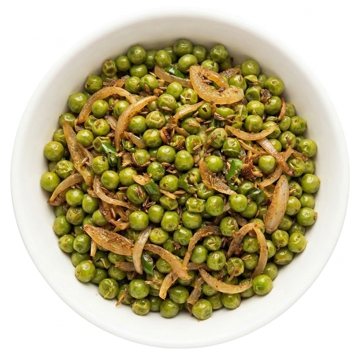
- Same: Chunke Matar also uses cumin seeds, amchoor, and fresh lemon juice for tartness.
- Different: Instead of raw fruit seasoned with sugar and black rock salt, Chunke Matar sautés green peas and onions in ghee with ginger, green chillies, asafoetida, coriander, and black cardamom.