Indian cooking
Indian cooking / Dishes / Muttokos Thoran
Muttokos Thoran (Kerala Stir-fried Cabbage with Coconut)

Muttokos Thoran

Kerala Stir-fried Cabbage with Coconut
Vegetarian●●●Origin KeralaPrep 10 minutesCook 15 minutes

A crisp, fragrant South Indian vegetable stir-fry where tender cabbage is tossed with tempered spices, lentils, and a fresh coconut and green chilli paste.

Tempering spices

6 gFried in hot oil at the start of cooking (step 2)
01
3.3 g1 teaspoon
spice
02
2.1 g1 teaspoon
spice
03
1 g1 chilli
spice
Keep whole; they go into the hot pan together.

Everything else

01
18 g3 tablespoons
fruit
02
30–45 g2–3 shallots
aromatic
03
12 g2 chillies
vegetable
04
500 g
vegetable
05
to taste
salt
06
9 g2 teaspoons
oil/fat
07
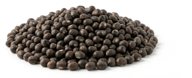
Black gram · Urad Dalrinsed and drained
4.3 g1 teaspoon
legume
08
~1 g1 sprig
herb

Method

  1. Place 18 g fresh coconut, 2 shallots, 12 g green chilli, and 20 g water into a small blender or food processor. Grind until you have a paste, then set aside.
  2. Warm 2 tsp oil in a wide frying pan over medium heat. Add the tempering spices alongside 4.3 g urad dal and 1 g curry leaf, sizzling everything for about 1 minute until the mustard seeds pop.
  3. Tumble in 500 g cabbage and season with salt to taste. Lower the heat, cover with a tight-fitting lid, and leave to steam for roughly 10 minutes until tender and dry.
  4. Stir in the coconut paste and toss over the heat for 2 to 3 minutes until thoroughly combined and aromatic.

Don't have something?

Fresh coconut
  • Desiccated coconut

    Use 50% to 60% of the weight, soaked in equal parts warm water for 15 minutes before grinding. Works well for chutneys, though texture is slightly finer and sweeter.

  • Coconut milk

    Use 1.2 times the weight in curries. Adds creamy richness and authentic flavour, but makes gravies smoother and eliminates the grated, chewy mouthfeel.

Shallot
  • Onion

    Use equal weight, finely chopped. Red onion matches the pungency best, though it takes slightly longer to brown and lacks shallots' subtle sweetness.

  • Garlic

    Use 20% garlic combined with 80% onion by weight; finely slice to replicate the sharp, sweet aromatic profile.

Green chilli
  • Chilli powder

    Use 10 to 15% of the weight (about 1/4 teaspoon per chilli); imparts dry pungent heat and reddens the dish without the grassy crunch.

  • Dried red chilli

    Use 1 dried pod per fresh green chilli; snap in half and temper in hot oil for a deeper, toastier heat.

Cabbage
  • Sweetheart cabbage

    Use 100% of the weight. Finely shred; cooks slightly faster than firm white cabbage and gives a sweeter, tender crunch in thorans and sabzis.

  • Savoy cabbage

    Use 100% of the weight. Shred finely; holds its shape well when stir-fried and carries spiced oil effectively.

  • Brussels sprouts

    Use 90% of the weight. Finely shred or halve; offers an identical brassica crunch and slight peppery bite.

Coconut oil
  • Vegetable oil

    Use the same weight; it is neutral and will not add coconut aroma.

  • Groundnut oil

    Use the same weight; mild and good for frying, but no coconut flavour.

  • Ghee

    Use the same weight for richness; it adds a dairy aroma and is not vegan.

Mustard seed
  • Black mustard seed

    Use the same weight. The seeds are smaller and hotter; fry in hot oil until they pop, about 20–30 seconds, and reduce the heat if they darken too fast. The dish will be a little sharper.

  • Yellow mustard seeds

    Use the same weight. They are milder and larger; fry a few seconds longer until they pop. The finished dish will have less pungency.

  • Ground mustard seed

    Use 70% of the weight of whole seed, added with the other ground spices rather than fried whole. You lose the popping texture and the heat comes through more evenly.


Cumin seed
  • Ground cumin

    Use 70% of the weight; add with ground spices or sauce bases rather than hot oil tempering, where it scorches quickly and turns bitter.

  • Black cumin seeds

    Use equal weight for oil tempering. Delivers an earthy profile with an additional musky, smoky, and slightly bitter edge.

  • Fennel seed

    Use 60% of the weight for tempering; offers comparable warm aroma, but leans sweet and liquorice-like rather than savoury and earthy.

Dried red chilli
  • Dried kashmiri chilli

    Use equal weight whole. Fry in hot oil or ghee as tempered spice; gives a richer red colour with slightly milder heat.

  • Red chilli powder

    Use 50% to 70% of the weight. Stir into the oil with ground spices; distributes heat evenly throughout the dish without whole chilli skins.

Urad dal
  • Whole black gram

    Use equal weight. Needs longer soaking and cooking; the dark skins impart an earthy flavour and greyish-black hue unless thoroughly rubbed off.

  • Chana dal

    Use equal weight when tempering (tadka). Provides a comparable nutty, crunchy texture in hot oil, though grains are slightly larger.

  • Split mung beans

    Use equal weight for batters or dals. Ferments and cooks faster, producing a lighter, less sticky, and less viscous consistency.

Curry leaf
  • Bay leaf

    Fry 1 bay leaf for every 5 curry leaves in hot oil; imparts a warm, woodsy background note, but misses the citrus-sulphury punch entirely.

  • Lime juice

    Add a small squeeze (about 5 ml per sprig of curry leaves) right before serving; provides sharp citrus top notes without the toasty, herbal aroma.

Similar dishes

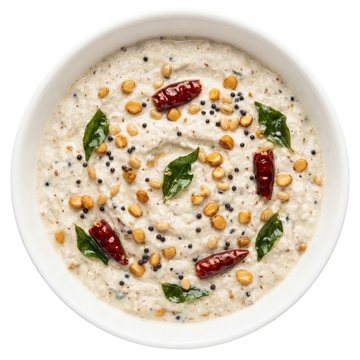
Dahi ki Chutney
Yoghurt Chutney
Dahi ki Chutney is creamier, distinctly tangier, and much richer in coconut, whereas this dish tastes primarily of sweet, tender cabbage spiced with earthy cumin.
  • Same: Both feature fresh coconut, green chillies, and a tempering of mustard seeds, urad dal, dried red chillies, and curry leaves.
  • Different: Dahi ki Chutney is a cold, blended condiment made with yoghurt, lime juice, ginger, and chana dal rather than a hot stir-fry cooked with cabbage, shallots, and cumin seeds.
Arisi Upama
Savoury Rice Snack
It is starchier, richer in coconut, and more peppery, whereas this dish has a lighter, crunchy taste dominated by cabbage.
  • Same: Arisi Upama shares the same tempering of mustard seeds, cumin, urad dal, dried red chillies, curry leaves, and green chillies, finished with fresh coconut.
  • Different: It is a cooked broken-rice dish prepared with vegetable oil, asafoetida, and ground black pepper, lacking the cabbage and shallots used in this stir-fry.
Kosu Podi
Fried Savoury Cabbage
Kosu Podi has a much stronger garlic and fresh herb flavour with a sharper chilli heat, lacking the nutty, tempered mustard and curry leaf notes of this dish.
  • Same: Kosu Podi is also a South Indian cabbage stir-fry featuring fresh grated coconut, urad dal, cumin seeds, and green chillies.
  • Different: Kosu Podi adds chana dal, garlic, regular onion, and a large quantity of fresh coriander leaf, while omitting the mustard seeds, shallots, dried red chillies, and curry leaves found in this dish.
Molagootal
Moong Dal with Vegetables
Molagootal tastes soft, dal-heavy and mild compared with the crisp, cabbage-forward and green-chilli-hot taste of this dish.
  • Same: Molagootal shares a fresh coconut-chilli paste and a tempering of mustard seed, urad dal and curry leaf with this dish, and neither lists a souring agent.
  • Different: Molagootal is a simmered moong dal and mixed-vegetable stew made with vegetable oil, while this dish is a cabbage stir-fry made with coconut oil and includes shallot and green chilli.