
Meen Godavari
A tangy, fragrant Andhra fish curry simmered in a toasted coconut and tamarind sauce with a warming kick of chilli.
roasting spices
1.9 gToasted with the coconut in the dry pan (step 1)curry paste spices
8 gBlended into the paste (step 2)Everything else

Method
- Place a dry pan over low heat. Toast 80 g fresh coconut, 1 tbsp ground coriander, and the roasting spices for several minutes, stirring continuously until uniformly golden-brown.
- Tip the toasted mixture into a blender jar. Add 15.6 g tamarind extract, 0.25 tsp ground turmeric, the curry paste spices, and salt to taste, then grind to a smooth paste.
- Warm 228 g vegetable oil in a wide frying pan over low heat. Add the blended paste and fry for about 5 minutes.
- Add 400 g fish and turn the pieces gently in the spiced oil for 2 minutes. Pour in 250 ml water and simmer gently for about 5 minutes until the fish is cooked through.
- Pour in a little extra water if needed to adjust the sauce consistency. Scatter over 18 g green chilli and 0.25 tsp ground black pepper, simmer for 1 minute while stirring very gently to keep the fish intact, then take the pan off the heat.
Don't have something?


 Coriander leaf
Use equal weight, chopped fresh and stirred in off the heat or used as garnish. Matches the citrus-herbal profile identically.
 Mint
Use 40% to 50% of the weight; chop finely and add at the very end. Adds fresh herbal brightness, but shifts the aroma toward cool menthol.



 Desiccated coconut
Use 50% to 60% of the weight, soaked in equal parts warm water for 15 minutes before grinding. Works well for chutneys, though texture is slightly finer and sweeter.
 Coconut milk
Use 1.2 times the weight in curries. Adds creamy richness and authentic flavour, but makes gravies smoother and eliminates the grated, chewy mouthfeel.


 Mustard seed
Use 50% of the weight, crush or grind. Sharper heat and less maple-bitter; fry briefly in oil before adding.
 Caraway seeds
Use the same weight, crush lightly. Similar bitter-seed note but more aniseed; reduce other sweet spices slightly.
 Ajwain seeds
Use 25–30% of the weight, crush. Much stronger thyme-like flavour; do not overdo.



 Tamarind
Use 180% of the weight of compressed tamarind; soak in three times its weight of boiling water for 15 minutes, knead, and strain out the thick pulp.
 Dried mango powder
Use 35% of the weight dissolved in two tablespoons of warm water. Provides sharp tang, though the resulting sauce will be lighter in colour.
 Lemon juice
Use equal weight, added right at the end of cooking. Adds sharp acidity without the deep brown hue or pulpy thickness.


 Red chilli powder
Use 100% of the weight. Provides direct, sharp heat and red colour in equal measure.
 Kashmiri chilli powder
Use 150% to 200% of the weight if matching colour, but add a pinch of black pepper or hot chilli if you need equivalent fiery heat.
 Cayenne pepper
Use 75% to 100% of the weight. Offers a sharp, clean heat with slightly less earthy depth and less crimson colour.


 Ground ginger
Use 50% of the weight. Mimics turmeric's warm, earthy, rhizome background, but provides none of the golden-yellow colour.
 Saffron
Steep a tiny pinch (0.1 g per 2 g turmeric) in 2 tbsp warm water; use to match the rich golden hue. Contributes an aristocratic, honeyed floral flavour rather than earthy bitterness.


 Peanut oil
Use 1:1 by weight. Handles high-heat frying identically and introduces a very subtle, pleasant nuttiness.
 Ghee
Use 1:1 by weight. Yields a much richer, authentic aroma and a glossy, heavier mouthfeel.
 Mustard oil
Use 1:1 by weight. Heat until smoking, then cool slightly before cooking to temper its intensely pungent, sharp mustard kick.


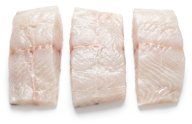
 Firm white fish
Use the same weight, clean and cut into fillet-sized pieces. Cooking time is the same; remove any bones.
 Firm fish fillet
Use the same weight. Check thickness; thick pieces may need 2–3 minutes more simmering.
 Skinless firm white fish fillet
Use the same weight. Skinless flakes more; handle gently and add late.


- Chilli powder
Use 10 to 15% of the weight (about 1/4 teaspoon per chilli); imparts dry pungent heat and reddens the dish without the grassy crunch.
 Dried red chilli
Use 1 dried pod per fresh green chilli; snap in half and temper in hot oil for a deeper, toastier heat.


 Black peppercorn
Use the same weight and crush or grind as the recipe needs; whole peppercorn is the same spice.
 Ground black pepper
Use the same weight; add nearer the end if the recipe calls for whole pepper, as ground loses aroma faster.
 Ground white pepper
Use about 75–80% of the weight; it is milder and earthier, with less bite.


Similar dishes
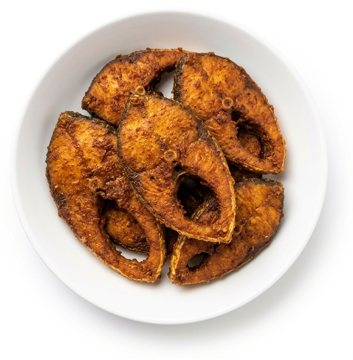
- Same: Podi Chapa also uses fish seasoned with chilli powder and salt and cooked in vegetable oil.
- Different: Instead of being simmered in a coconut and tamarind gravy with fenugreek and green chillies, Podi Chapa is marinated with ginger and garlic paste and deep-fried in double the amount of vegetable oil.

- Same: Chincheche Talwan shares firm white fish, tamarind extract as the souring agent, turmeric, chilli powder, green chilli, vegetable oil and salt with this dish.
- Different: Chincheche Talwan adds lime juice, tomato, mixed seasonal vegetables, ginger, garlic, sugar, garam masala and coriander leaf, and it lacks this dish's fresh coconut, fenugreek and black pepper, so it is a thin vegetable-heavy tamarind curry rather than a toasted coconut sauce.

- Same: Doi Maachh shares firm white fish, green chilli, turmeric and salt with this dish, and both are fish curries with a sour tang.
- Different: Doi Maachh uses yogurt as its souring agent and mustard oil plus yellow mustard seeds, while this dish uses tamarind, toasted coconut, fenugreek, coriander, chilli powder and vegetable oil, and it sears the fish before simmering it in yogurt rather than simmering it in a coconut-tamarind sauce.

- Same: Machhali ka Salan shares firm white fish, tamarind extract, chilli powder, ground turmeric, vegetable oil and salt with this dish.
- Different: Machhali ka Salan builds its sauce from onion, tomato, ginger paste, garlic paste, dried red chilli and coconut milk instead of toasted fresh coconut, and it omits fenugreek, black pepper and green chilli while using less oil for more fish.