Indian cooking
Indian cooking / Dishes / Mawe ki Kachori
Mawe ki Kachori (Sweet Stuffed Kachori)

Mawe ki Kachori

Sweet Stuffed Kachori
VegetarianOrigin RajasthanPrep 1½ hours, plus standing and cooling timeCook 15 minutesMakes 12

A festive sweet pastry featuring crisp, golden shells stuffed with rich evaporated milk solids and dried fruit, steeped in a fragrant rose-scented syrup.

Filling spice

1.1 gStirred into the cooked khoya mixture (step 3)
01
1.1 g½ teaspoon
spice
Grind the green cardamom seeds to a fine powder.

Everything else

02
1.1 g¼ teaspoon
other
03
~0.3 gpinch
salt
04
68 g5 tablespoons
oil/fat
05
Gheefor deep-frying
to taste
oil/fat
09
12 g1 tablespoon
nut/seed
10
8 g1 tablespoon
nut/seed
11
to taste
salt
13
3.8 g¾ teaspoon
souring agent
14
1.2 g¼ teaspoon
liquid

Method

  1. Combine 1000 g granulated sugar with 1 litre of water in a heavy pan over gentle heat, stirring until dissolved. Bring to a boil and cook, skimming off any foam, until the syrup reaches a one-thread consistency. Stir in 3.8 g lime juice and 1.2 g rosewater, then set aside.
  2. In a large bowl, whisk together 250 g flour, 0.25 teaspoon bicarbonate of soda, and 0.3 g salt. Make a well in the centre, pour in 67.5 g vegetable oil, and rub together thoroughly. Add just enough water to bring the mixture into a soft dough, knead on a lightly floured surface for 5 minutes, then cover with a damp cloth and rest for 15 minutes.
  3. Heat a heavy-based pan over medium heat, add 350 g khoya, and fry constantly for 5 to 6 minutes until lightly browned and the fat begins to separate. Gradually blend in 100 g granulated sugar and salt to taste, then incorporate the filling spice, 50 g raisin, 1 tablespoon chironji, and 1 tablespoon pistachios. Take off the heat and leave to cool.
  4. Divide the dough into 12 equal portions, shape into balls, and keep covered with a damp cloth. Flatten each ball between your palms into an 8 cm (3 inch) round, keeping the outer edges thinner than the middle. Spoon a portion of filling into the centre, gather the edges up to enclose the stuffing, twist off any excess dough to seal, and flatten gently into a disc.
  5. Heat ghee for deep-frying in a deep pan or kadhai to 180 °C (350 °F). Fry the kachoris in small batches for 3 to 4 minutes until crisp and rich golden brown, then drain on kitchen paper. Transfer the fried kachoris into the warm sugar syrup to soak, then lift out and cool completely before serving.

Don't have something?

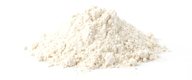
Plain flour
  • Whole wheat flour

    Use the same weight, add 10–15% more water and rest the dough for 20 minutes; the result is heavier and nuttier.

  • Rice flour

    Use the same weight for crisp coatings; for doughs use no more than half rice flour with wheat flour, or it will be crumbly.

  • Cornflour

    For thickening use half the weight, mixed with cold water; it is not suitable for bread or chapati dough.

Baking soda
  • Baking powder

    Use 4 times the weight (1 g soda ≈ 4 g baking powder). It already contains acid, so reduce or omit added lemon or yogurt.

  • Self-raising flour

    For baking, swap plain flour plus soda for self-raising flour; omit the soda and adjust salt. Not suitable for recipes where soda is used for colour or texture.

Vegetable oil
  • Peanut oil

    Use 1:1 by weight. Handles high-heat frying identically and introduces a very subtle, pleasant nuttiness.

  • Ghee

    Use 1:1 by weight. Yields a much richer, authentic aroma and a glossy, heavier mouthfeel.

  • Mustard oil

    Use 1:1 by weight. Heat until smoking, then cool slightly before cooking to temper its intensely pungent, sharp mustard kick.

Ghee
  • Unsalted butter

    Use 120% of the weight; melt gently over low heat to avoid burning the milk solids, which will yield a softer, creamier richness rather than a nutty aroma.


  • Vegetable oil

    Use 85% of the weight; holds high cooking temperatures without smoking, but the final dish will lack traditional dairy depth.

  • Mustard oil

    Use equal weight; heat to smoking point and cool slightly before cooking, bearing in mind it introduces an assertive, pungent edge.

Khoya
  • Whole milk

    Use 4 times the weight of milk; simmer and stir continuously in a wide heavy pan until reduced to a dense, fudgy paste.

  • Paneer

    Use equal weight of finely crumbled or grated paneer mixed with 15% single cream; gives similar body but a less caramelised, milk-solid flavour.

  • Single cream

    Simmer gently until heavily reduced, or stir in directly at 70% weight; produces rich gravies without the granular bite of khoya.

Granulated sugar
  • Jaggery

    Use equal weight; grate or shave finely so it dissolves rapidly, giving a warm, caramel-like sweetness and slightly darker sauce.

Green cardamom pod
  • Green cardamom seed

    Use 35 to 40% of the total pod weight; lightly bruise the seeds before frying in oil to release their essential oils.

  • Ground green cardamom

    Use 20 to 25% of the pod weight (about 1 generous pinch per pod); stir in toward the end of cooking so the delicate floral notes do not dissipate.

  • White cardamom pod

    Use 1:1 by pod count or weight; crack gently before using, though it is slightly less intensely floral.

Raisin
  • Dried plum

    Use equal weight, pitted and finely chopped. Lends a deeper, slightly more tart sweetness to curries and rice dishes.

  • Cashew nut

    Use equal weight. Fry lightly in ghee until golden; substitutes the burst of sweetness with a rich, buttery crunch.

  • Jaggery

    Use 30% of the weight, finely grated. Dissolve straight into the sauce to match the intended sweetness, though without the fruity chew.

Chironji kernel
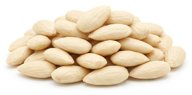
  • Blanched almond

    Use the same weight, soak 20 minutes and use whole or grind; slightly sweeter and less bitter.

  • Cashew nut

    Use the same weight, soak 20 minutes; creamier and milder than chironji.

  • Pistachio

    Use the same weight, blanch and peel; stronger in flavour, so use slightly less if you want subtlety.

Unsalted pistachio nut
  • Pistachio

    Use the same weight; check for salt and adjust the recipe's salt.

  • Almond

    Use the same weight; toast lightly before chopping. It is milder but works for garnishes and pastes.

  • Cashew nut

    Use the same weight; grind with a little water for pastes. It is softer and sweeter.

Lime juice
  • Lemon juice

    Use equal volume or weight; slightly sweeter and less pungent, but otherwise an imperceptible swap.

  • Dried mango powder

    Use 25% of the weight; imparts dry, fruity sourness, best stirred in right at the end of cooking.

  • Tamarind extract

    Use 50% of the weight; delivers pleasant fruity tang but turns pale sauces considerably darker.

Rosewater
  • Screwpine water or rosewater

    If using kewra water, use 50% of the volume specified; it is intensely floral and pungent, so add drop by drop to avoid overpowering.

  • Ground green cardamom

    Use 0.5 g ground spice for every 5 ml rosewater. Adds warm, perfumed top notes, shifting the aroma from floral to sweet spice.

  • Dried rose petals

    Steep 1 g dried petals in 15 ml hot milk or water for 10 minutes, strain, and stir in for a subtle, natural floral note.

Similar dishes

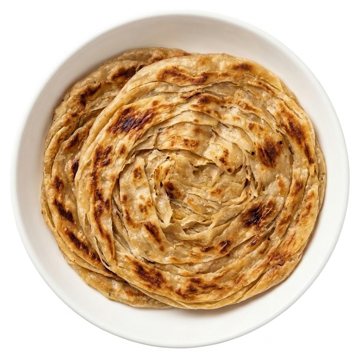
Paratha
Paratha tastes buttery and mildly spiced rather than intensely sweet, floral, and syrupy like this dish.
  • Same: Paratha shares the use of ghee, salt, and fragrant green cardamom with this dish.
  • Different: Paratha is a griddled layered flatbread that lacks the khoya and raisin filling, vegetable oil, lime juice, and rose-scented soaking syrup of this deep-fried dish.
Bhatura
Deep-fried Bread
Bhatura has a mild, savory, and slightly tangy flavor from yogurt rather than the rich, highly sweet, and floral taste of this dish.
  • Same: Both Bhatura and this dish are deep-fried dough specialties cooked in hot fat using vegetable oil, a pinch of salt, and sugar.
  • Different: Bhatura is an unstuffed, yogurt-leavened flatbread, lacking the khoya and raisin filling, green cardamom, ghee, and rosewater-scented sugar syrup used in this dish.
Kerala Paratha
Kerala Paratha tastes flaky, rich and mildly sweet from milk, egg and ghee, while this dish tastes crisp, syrupy-sweet and rose-scented with khoya and dried fruit.
  • Same: Kerala Paratha shares plain flour, baking soda, salt, sugar and ghee with this dish, and both are enriched Indian flour-based preparations.
  • Different: Kerala Paratha uses egg, milk, peanut oil, butter and ghee and is layered and griddled, while this dish uses khoya, raisins, chironji, pistachio, cardamom and a lime-rosewater sugar syrup and is stuffed and steeped.
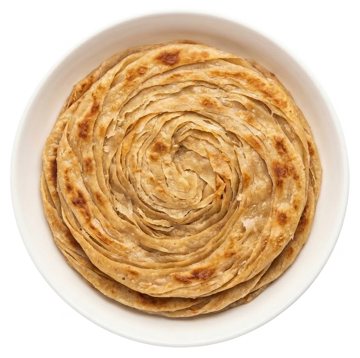
Warqi Paratha
Layered Paratha
Warqi Paratha tastes savory, buttery and flaky from ghee and salt, while this dish tastes sweet, milky-rich and rose-cardamom scented with dried fruit and a lime-bright syrup.
  • Same: Warqi Paratha shares plain flour, salt and ghee with this dish, and both are crisp flour-based Indian specialties.
  • Different: Warqi Paratha uses only plain flour, salt and ghee, so it lacks this dish's khoya, sugar, green cardamom, raisins, chironji, pistachios, rosewater, lime juice, baking soda and vegetable oil; it is spiral-rolled and layered rather than stuffed with khoya and soaked in sugar syrup.