Indian cooking
Indian cooking / Dishes / Kerala Paratha
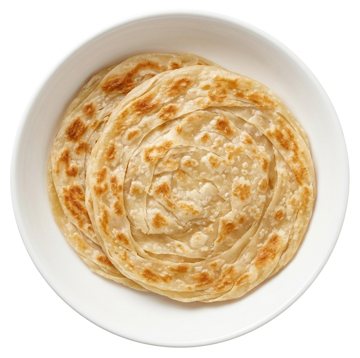
Kerala Paratha (Kerala Paratha)

Kerala Paratha

Non-vegetarianOrigin KeralaPrep 50 minutes, plus standing timeCook 4–5 minutesMakes 6

A layered, flaky South Indian flatbread that is crisp on the outside and tender within, enriched with milk, eggs, and ghee.

Ingredients

01
100 g2 eggs
egg
02
155 g150 ml
dairy
03
10 g2½ teaspoons
sweetener
04
~0.3 gpinch
salt
05
Peanut oil · Mungfali Ka Telplus extra for oiling
54 g4 tablespoons
oil/fat
06
Plain flour · Maidaplus extra for dusting
450 g
flour
07
~0.3 gpinch
other
08
Butter · Makhanmelted, for brushing
to taste
dairy
09
Gheemelted
100 g
oil/fat

Method

  1. Whisk 2 eggs, 155 g milk, 10.5 g granulated sugar, 0.3 g salt, and 54 g peanut oil together in a bowl until combined.
  2. Sift 450 g flour and 0.3 g bicarbonate of soda into a large mixing bowl. Create a well in the center, pour in the egg-and-milk liquid, and gradually mix everything together into a soft dough.
  3. Transfer the dough to a lightly floured worktop and knead for about 5 minutes until smooth and elastic. Place into a lightly oiled bowl, cover with a damp kitchen towel, and rest in a warm spot for 30 minutes.
  4. Divide the rested dough into 6 equal portions and shape each into a ball. Lightly oil your work surface, then roll and stretch each ball outwards until the dough is paper-thin and translucent.
  5. Brush melted butter over the entire sheet, sprinkle lightly with flour, and pleat or gather the dough together into a gathered strip. Coil the strip inward into a thick round spiral, press down gently, and let it rest for 5 minutes.
  6. Roll each coiled round out on a lightly floured surface into a flat disc.
  7. Warm a tawa or heavy-bottomed frying pan over low heat. Lay in a paratha and cook gently until partly set, then flip once. Drizzle a portion of the 100 g melted ghee around the bread and continue frying, turning as needed, until deep golden brown on both sides. Repeat with the remaining dough.

Don't have something?

Egg
  • Chickpea flour

    For binding, use about 10 g chickpea flour mixed with 20 ml water per egg and rest for 10 minutes. Denser and nuttier; not suitable for baking or coating in the same way.

  • Full-fat natural yoghurt

    Use about 30 g per egg for moisture and binding in koftas or fillings. Adds tang and softness; will not set or glaze like egg.

  • Tofu

    Use the same weight, mashed, for egg-like bulk in curries. Soft and bland; add extra spices and do not expect it to bind.

Milk
  • Whole milk

    Use equal weight; provides the standard rich dairy fat and body expected in creamy Indian bases.

  • Single cream

    Dilute 3 parts cream with 1 part water to match the weight; yields a richer, glossier gravy that resists curdling.

  • Plain yogurt

    Whisk thoroughly and use equal weight; adds extra body and a mild pleasant acidity, best added off the heat.

Granulated sugar
  • Jaggery

    Use equal weight; grate or shave finely so it dissolves rapidly, giving a warm, caramel-like sweetness and slightly darker sauce.

Peanut oil
  • Vegetable oil

    Use equal weight. Offers a similar neutral base and high smoke point, ideal for deep-frying and high-heat tadkas.

  • Mustard oil

    Use equal weight, but heat to smoking point and cool slightly before using. Adds a sharp, pungent flavour that alters the dish significantly.

Plain flour
  • Whole wheat flour

    Use the same weight, add 10–15% more water and rest the dough for 20 minutes; the result is heavier and nuttier.

  • Rice flour

    Use the same weight for crisp coatings; for doughs use no more than half rice flour with wheat flour, or it will be crumbly.

  • Cornflour

    For thickening use half the weight, mixed with cold water; it is not suitable for bread or chapati dough.

Baking soda
  • Baking powder

    Use 4 times the weight (1 g soda ≈ 4 g baking powder). It already contains acid, so reduce or omit added lemon or yogurt.

  • Self-raising flour

    For baking, swap plain flour plus soda for self-raising flour; omit the soda and adjust salt. Not suitable for recipes where soda is used for colour or texture.

Butter
  • Unsalted butter

    Use 100% of the weight. If the original recipe relies on salted table butter, add a pinch of salt to balance.

  • Ghee

    Use 80% to 85% of the weight. Ghee is pure butterfat with moisture removed; it yields a deeper, nuttier flavour and handles high heat better.

  • Vegetable oil

    Use 80% of the weight for frying or tempering. The dish loses sweet dairy richness but remains glossy and light.

Ghee
  • Unsalted butter

    Use 120% of the weight; melt gently over low heat to avoid burning the milk solids, which will yield a softer, creamier richness rather than a nutty aroma.


  • Vegetable oil

    Use 85% of the weight; holds high cooking temperatures without smoking, but the final dish will lack traditional dairy depth.

  • Mustard oil

    Use equal weight; heat to smoking point and cool slightly before cooking, bearing in mind it introduces an assertive, pungent edge.

Similar dishes

Malabari Paratha
Paratha from Malabar
Malabari Paratha tastes more distinctly of sweet butter, lacking the nutty, roasted depth provided by the ghee and peanut oil in this dish.
  • Same: Like this dish, Malabari Paratha is a flaky, multi-layered flatbread made with milk, sugar, salt, and butter.
  • Different: Malabari Paratha relies solely on butter as its fat source, omitting the ghee, peanut oil, and eggs used in this dish.
Rogani Kulcha
Rich Kulcha
Rogani Kulcha has a spicy kick from the chilli glaze rather than the rich, buttery flavor of this dish.
  • Same: Both flatbreads use milk, sugar, and oil to enrich the dough.
  • Different: Rogani Kulcha is leavened and brushed with chilli powder and vegetable oil, lacking the ghee, butter, and flaky laminated layers of this dish.
Ulte Tawe ka Paratha
Paratha Cooked on the Griddle
Ulte Tawe ka Paratha tastes distinctly sweeter and nuttier with floral undertones compared to this dish.
  • Same: Both are layered, flaky flatbreads enriched with milk, sugar, salt, and ghee.
  • Different: Ulte Tawe ka Paratha adds cashew paste, uses significantly more milk and sugar, and is cooked on an inverted griddle, omitting the peanut oil and butter used in this dish.
Taftan
Flaky Bread
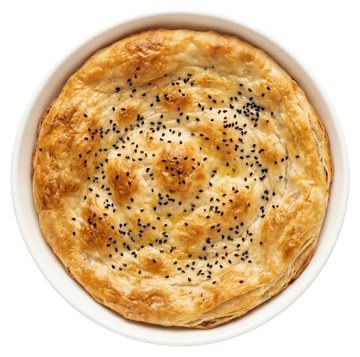
Taftan is soft, airy, and mildly sweet with a savoury nigella bite, while this dish is crisp outside and tender in layers with a rich ghee-and-egg flavour.
  • Same: Taftan and this dish are both enriched flatbreads made with plain flour, egg, milk, ghee, sugar, and salt.
  • Different: Taftan uses yeast and yogurt for lift and tang plus nigella seeds and vegetable oil, while this dish uses baking soda, peanut oil, and butter and has no yeast, yogurt, or nigella seeds.