Indian cooking
Paratha (Paratha)

Paratha

VegetarianOrigin Punjab/Delhi/AwadhPrep 20 minutes, plus standing timeCook 16–20 minutesMakes 8–10

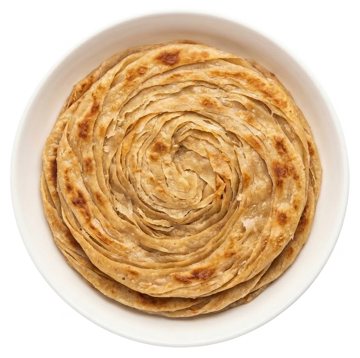
Crisp, flaky Indian flatbreads with rich, buttery layers scented with a delicate hint of cardamom. They have a golden exterior with tender, pull-apart laminations throughout.

Dough spices

0.7 gSifted with the flour and salt (step 1)
01
0.7 g4 pods
spice
Keep ground; ready to sift with the dry ingredients.

Everything else

02
100 g
oil/fat
03
~0.3 gpinch
salt

Method

  1. Sift 1000 g flour, 0.3 g salt and the dough spices into a bowl, then pour in enough water to form a soft, pliable dough. Knead thoroughly for 5 minutes.
  2. Divide the dough into 8 to 10 equal portions, roll them into balls, and rest under a damp cloth for 15 minutes.
  3. Melt 100 g ghee in a shallow pan set over low heat, whisking until it reaches a smooth, butter-like consistency.
  4. On a lightly floured surface, roll one dough ball into a 20 cm (8 inch) round. Smear a small amount of the ghee over the surface, fold the round in half, and dab more ghee across the folded top. Roll the folded dough tightly into a cylinder and coil it into a spiral. Repeat for the remaining portions.
  5. Place a tawa or heavy skillet over medium heat. Roll each coiled dough spiral out into an 18 cm (7 inch) disc.
  6. Add a small spoonful of ghee to the hot pan, lay a paratha in, and lower the heat to low. Rotate the flatbread continuously, pressing the edges gently and basting with spoonfuls of hot ghee so the laminated layers expand and separate.
  7. Once the underside is deeply browned, flip and cook the other side until evenly browned and cooked through, about 1 to 2 minutes. Remove from the heat and repeat the cooking process with the remaining parathas.

Don't have something?

Plain flour
  • Whole wheat flour

    Use the same weight, add 10–15% more water and rest the dough for 20 minutes; the result is heavier and nuttier.

  • Rice flour

    Use the same weight for crisp coatings; for doughs use no more than half rice flour with wheat flour, or it will be crumbly.

  • Cornflour

    For thickening use half the weight, mixed with cold water; it is not suitable for bread or chapati dough.

Green cardamom pod
  • Green cardamom seed

    Use 35 to 40% of the total pod weight; lightly bruise the seeds before frying in oil to release their essential oils.

  • Ground green cardamom

    Use 20 to 25% of the pod weight (about 1 generous pinch per pod); stir in toward the end of cooking so the delicate floral notes do not dissipate.

  • White cardamom pod

    Use 1:1 by pod count or weight; crack gently before using, though it is slightly less intensely floral.

Ghee
  • Unsalted butter

    Use 120% of the weight; melt gently over low heat to avoid burning the milk solids, which will yield a softer, creamier richness rather than a nutty aroma.


  • Vegetable oil

    Use 85% of the weight; holds high cooking temperatures without smoking, but the final dish will lack traditional dairy depth.

  • Mustard oil

    Use equal weight; heat to smoking point and cool slightly before cooking, bearing in mind it introduces an assertive, pungent edge.

Similar dishes

Warqi Paratha
Layered Paratha
Warqi Paratha tastes buttery and crisp without cardamom and with a saltier edge, while this dish has a delicate cardamom scent in its rich, flaky layers.
  • Same: Warqi Paratha shares plain flour, ghee, salt, and a layered, flaky flatbread style with this dish.
  • Different: Warqi Paratha lacks the green cardamom pod, uses a much higher salt-to-flour ratio, includes an extra 15.6 g plain flour, and is rolled in a spiral to build leaves, while this dish uses 1000 g flour with cardamom and 100 g ghee.
Tandoori Roti
Bread Baked in a Clay Oven
It tastes smoky and savory rather than richly buttery and subtly spiced with cardamom.
  • Same: Both are crisp, layered Indian flatbreads prepared with fat and salt.
  • Different: Tandoori Roti is baked at high heat rather than pan-cooked, uses significantly less fat, has more salt, and omits the cardamom pods used in this dish.
Roomali Roti
Handkerchief Bread
Roomali Roti is soft, supple, and delicately charred, not rich, buttery, crisp, flaky, or cardamom-scented like this dish.
  • Same: Roomali Roti shares with this dish that both are Indian flour-and-salt flatbreads cooked on a hot pan.
  • Different: Roomali Roti uses wholemeal flour plus plain flour and has no ghee or cardamom, and it is stretched paper-thin and blistered on an inverted hot pan rather than layered and cooked like this dish.
Matthi
Flaky Savoury Biscuits (Crackers)
Matthi is sharply peppery, salty and crumbly, while this dish is buttery, cardamom-scented and tender with pull-apart layers.
  • Same: Both are flaky plain-flour Indian breads made with a fat and no souring agent.
  • Different: Matthi uses coarsely crushed black peppercorn, much more salt and fat, and vegetable oil or ghee instead of this dish's cardamom and ghee.