
Makki ka Halwa
A rich, fragrant sweet pudding made with tender sweetcorn, dried milk solids, and ghee. It is gently scented with saffron and cardamom and studded with dried fruit and nuts.
Saffron
1.4 gSteeped in milk (step 1)Finishing spice
2 gFolded in at the end (step 5)Everything else
Method
- Place the saffron in a small dish, cover with roughly two tablespoons of milk, and set aside to infuse.
- Warm 250 g ghee in a heavy-bottomed pan over a low flame. Tip in 500 g sweetcorn kernels and sauté, stirring steadily, for 2 to 3 minutes.
- Pour in 517 g milk along with 100 g grated khoya. Sauté for another 2 to 3 minutes until the liquid has been taken up completely, crushing the corn thoroughly with the back of a spatula to form a cohesive mass.
- Mix in 50 g grated fresh coconut and cook for about 1 minute. Tip in 500 g granulated sugar and continue stirring for 1 to 2 minutes, until the mixture condenses into a thick pudding that pulls away cleanly from the sides of the pan.
- Scatter in the finishing spice, the steeped saffron along with its soaking milk, 100 g raisins, and 35 g blanched slivered pistachios. Mix thoroughly and serve warm without delay.
Don't have something?


 Ground turmeric
Use 15% of the saffron's weight. Replicates the bright yellow colour well, but lacks the floral, earthy depth; use sparingly to avoid bitterness.
 Screwpine water or rosewater
Use a few drops combined with a tiny pinch of ground turmeric to mimic both the regal floral aroma and the golden hue.



 Whole milk
Use equal weight; provides the standard rich dairy fat and body expected in creamy Indian bases.
 Single cream
Dilute 3 parts cream with 1 part water to match the weight; yields a richer, glossier gravy that resists curdling.
 Plain yogurt
Whisk thoroughly and use equal weight; adds extra body and a mild pleasant acidity, best added off the heat.


 Unsalted butter
Use 120% of the weight; melt gently over low heat to avoid burning the milk solids, which will yield a softer, creamier richness rather than a nutty aroma.
 Vegetable oil
Use 85% of the weight; holds high cooking temperatures without smoking, but the final dish will lack traditional dairy depth.
 Mustard oil
Use equal weight; heat to smoking point and cool slightly before cooking, bearing in mind it introduces an assertive, pungent edge.


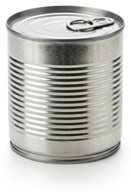 Canned sweetcorn kernel
Use the same drained weight; rinse and add near the end so it does not overcook.
 Fresh sweetcorn
Use the same weight of kernels, boiled for 3–5 minutes before adding; it is crunchier and sweeter.
 Frozen peas
Use the same weight as a quick stand-in in mixed vegetable dishes; colour and sweetness differ, so adjust salt and spices.


- Whole milk
Use 4 times the weight of milk; simmer and stir continuously in a wide heavy pan until reduced to a dense, fudgy paste.
 Paneer
Use equal weight of finely crumbled or grated paneer mixed with 15% single cream; gives similar body but a less caramelised, milk-solid flavour.
- Single cream
Simmer gently until heavily reduced, or stir in directly at 70% weight; produces rich gravies without the granular bite of khoya.

 Desiccated coconut
Use 50% to 60% of the weight, soaked in equal parts warm water for 15 minutes before grinding. Works well for chutneys, though texture is slightly finer and sweeter.
 Coconut milk
Use 1.2 times the weight in curries. Adds creamy richness and authentic flavour, but makes gravies smoother and eliminates the grated, chewy mouthfeel.


 Jaggery
Use equal weight; grate or shave finely so it dissolves rapidly, giving a warm, caramel-like sweetness and slightly darker sauce.


 Green cardamom seed
Grind freshly extracted inner black seeds finely; use equal weight (1:1). Greatly superior aroma with potent eucalyptus and citrus notes.
 Green cardamom pod
Lightly crack whole pods and simmer them in the gravy; use 150% of the weight of ground cardamom. Fish out the pods before serving.
 Ground nutmeg
Use 50% of the weight. Delivers warm, sweet aroma, but lacks cardamom's cooling, citrusy top notes.


 Dried plum
Use equal weight, pitted and finely chopped. Lends a deeper, slightly more tart sweetness to curries and rice dishes.
 Cashew nut
Use equal weight. Fry lightly in ghee until golden; substitutes the burst of sweetness with a rich, buttery crunch.
- Jaggery
Use 30% of the weight, finely grated. Dissolve straight into the sauce to match the intended sweetness, though without the fruity chew.


 Pistachio
Use the same weight; check for salt and adjust the recipe's salt.
 Almond
Use the same weight; toast lightly before chopping. It is milder but works for garnishes and pastes.
- Cashew nut
Use the same weight; grind with a little water for pastes. It is softer and sweeter.


Similar dishes

- Same: Both are rich milk puddings made with ghee and khoya, flavored with saffron and ground green cardamom.
- Different: Gil e Behisht uses rice flour and yogurt instead of sweetcorn, and it omits the fresh coconut, raisins, and large volume of liquid milk found in this dish.

- Same: Both recipes share a base of milk sweetened with sugar and flavoured with ground green cardamom and saffron.
- Different: Masala Milkshake is a chilled drink incorporating floral rosewater, leaving out the sweetcorn, ghee, khoya, coconut, and raisins cooked into this dish.

- Same: Both are rich milk-based desserts flavored with saffron, green cardamom, and raisins, cooked using ghee.
- Different: Shahi Tukra uses fried bread rather than sweetcorn, khoya, and coconut, and adds rosewater, kewra water, and lime juice while using far less ghee and sugar.

- Same: Jauzi Halwa shares with this dish a rich milk-and-khoya base, ghee, sugar, saffron, and green cardamom.
- Different: Jauzi Halwa uses wheatgerm extract and a much larger amount of milk reduced slowly, plus kewra, cinnamon, and nutmeg, while it lacks this dish’s sweetcorn, coconut, raisins, and pistachios.