
Jauzi Halwa
A rich, fudge-like Awadhi sweet made by slowly reducing milk with wheatgerm extract and khoya, laden with ghee. It is scented with kewra and saffron and topped with warm, fragrant spices.
Halwa saffron
0.7 gStirred in with the ghee (step 3)Finishing spices
3.3 gDusted over the set halwa before slicing (step 4)Everything else
Method
- Combine 5172 g milk and 250 g wheatgerm extract in a wide, heavy-bottomed pan set over low heat. Simmer while stirring without stopping for 45 minutes, until the liquid reduces by half.
- Fold in 500 g khoya and keep cooking over low heat for roughly 30 minutes, stirring steadily until the mixture is fully unified.
- Tip in 1500 g granulated sugar and 0.5 teaspoon kewra water, stirring continuously for 5 minutes until the granules melt away. Pour in 1000 g ghee and add the Halwa saffron, mixing thoroughly to prevent the base from catching and scorching.
- Take the pan off the heat and spread the hot mixture evenly onto a large baking tray. Scatter the finishing spices across the surface, then slice into 20–25 diamond or square portions.
Don't have something?

 Whole milk
Use equal weight; provides the standard rich dairy fat and body expected in creamy Indian bases.
 Single cream
Dilute 3 parts cream with 1 part water to match the weight; yields a richer, glossier gravy that resists curdling.
 Plain yogurt
Whisk thoroughly and use equal weight; adds extra body and a mild pleasant acidity, best added off the heat.


 Yeast extract
Use the same weight or start with half; it is saltier and stronger, so taste before adding salt.
 Soy sauce
For 10 g extract use about 15–20 ml soy sauce; add off the heat and reduce salt.
 Worcestershire sauce
Use about 1.5 times the weight; it is thinner and sweeter, so simmer a little longer.


- Whole milk
Use 4 times the weight of milk; simmer and stir continuously in a wide heavy pan until reduced to a dense, fudgy paste.
 Paneer
Use equal weight of finely crumbled or grated paneer mixed with 15% single cream; gives similar body but a less caramelised, milk-solid flavour.
- Single cream
Simmer gently until heavily reduced, or stir in directly at 70% weight; produces rich gravies without the granular bite of khoya.


 Jaggery
Use equal weight; grate or shave finely so it dissolves rapidly, giving a warm, caramel-like sweetness and slightly darker sauce.


 Rosewater
Use 75-100% of the weight, added off the heat. Floral but rose-scented, not screwpine.
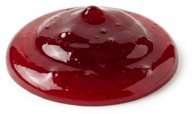 Rose syrup
Use 50-60% of the weight and reduce sugar by about the same amount. Sweet and pink-rose flavoured.
 Saffron thread
Steep 2-3 threads in 10 ml warm milk for every 10 g kewra water. Different, richer aroma.


 Unsalted butter
Use 120% of the weight; melt gently over low heat to avoid burning the milk solids, which will yield a softer, creamier richness rather than a nutty aroma.
 Vegetable oil
Use 85% of the weight; holds high cooking temperatures without smoking, but the final dish will lack traditional dairy depth.
 Mustard oil
Use equal weight; heat to smoking point and cool slightly before cooking, bearing in mind it introduces an assertive, pungent edge.


 Ground turmeric
Use 15% of the saffron's weight. Replicates the bright yellow colour well, but lacks the floral, earthy depth; use sparingly to avoid bitterness.
 Screwpine water or rosewater
Use a few drops combined with a tiny pinch of ground turmeric to mimic both the regal floral aroma and the golden hue.



- Ground Ceylon cinnamon
Milder and sweeter than ground cassia: use about 1.5 times the weight.
 Cassia bark (Chinese cinnamon)
Grind the same weight of cassia bark in a spice mill until powdery, or simmer a piece whole and lift it out before serving.
 Ground mace
Use 40 to 50% of the weight; offers a delicate, sweet, woodsy fragrance that complements rich curries without dominating.


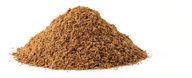
 Nutmeg
Grate whole nutmeg finely on a microplane; use 80% to 100% of the weight. Freshly grated nutmeg has significantly more aromatic oils and a more vibrant aroma.
- Ground mace
Use 100% to 120% of the weight. Mace is nutmeg's outer husk, providing almost identical warmth but with a lighter, slightly more delicate, floral edge.
- Ground cinnamon (cassia)
Use 75% of the weight. Adds comparable warmth and sweetness, though it lacks the musky, nutty undertone of nutmeg.


 Green cardamom seed
Grind freshly extracted inner black seeds finely; use equal weight (1:1). Greatly superior aroma with potent eucalyptus and citrus notes.
 Green cardamom pod
Lightly crack whole pods and simmer them in the gravy; use 150% of the weight of ground cardamom. Fish out the pods before serving.
- Ground nutmeg
Use 50% of the weight. Delivers warm, sweet aroma, but lacks cardamom's cooling, citrusy top notes.


Similar dishes

- Same: Masala Milkshake shares a base of dairy milk sweetened with granulated sugar and spiced with saffron and green cardamom.
- Different: It is prepared as a chilled beverage flavored with rosewater, omitting the khoya, ghee, cinnamon, nutmeg, and extensive stovetop reduction used to make this halwa.

- Same: Both desserts are slow-cooked using khoya, ghee, and milk, and are perfumed with saffron and ground green cardamom.
- Different: Gil e Behisht incorporates yoghurt and rice flour into a soft pudding, whereas this dish reduces a large volume of milk and wheatgerm into a dense fudge and adds cinnamon and nutmeg.

- Same: Makki ka Halwa also reduces milk and khoya in ghee with sugar, sharing cardamom and saffron as aromatics.
- Different: Makki ka Halwa uses tender sweetcorn, fresh coconut, and raisins instead of wheatgerm extract, and it omits the ground cinnamon and nutmeg used in this dish.

- Same: Both recipes share a base of milk sweetened with granulated sugar and infused with saffron and green cardamom.
- Different: Doodh ka Sherbet is a chilled drink that omits the khoya, ghee, cinnamon, and nutmeg, avoiding the prolonged reduction used to cook this dense halwa.