
Kararre Bhyein
Crisp deep-fried lotus stem rounds tossed with roasted peanuts, fresh ginger, and zesty spices. It is a crunchy, savoury snack balanced with tangy, nutty, and mildly spicy flavours.
seasoning spices
5 gTossed with the fried lotus stem and peanuts in step 5Everything else

Method
- Slice 600 g peeled lotus stems, place in a colander, rinse thoroughly under cold water, and drain well.
- Heat 1000 g oil in a deep vessel to 180°C (350°F). Fry the lotus stem slices in batches until crunchy and light golden, then remove with a slotted spoon to drain on paper towels.
- Flash-fry 1 g coriander in the hot oil for a few seconds until crisp, then lift out immediately and drain on paper towels.
- Toast 70 g peanuts in a dry pan over gentle heat until evenly browned, watching closely so they do not burn. Let cool, then pulse in a blender to a coarse crush.
- Place the fried lotus stems into a large bowl along with the crushed peanuts, 12 g ginger, 2 tsp amchoor powder, the seasoning spices, salt to taste, and the juice of 1 lemon. Toss thoroughly until everything is well coated.
- Scatter the crisp fried coriander over the top and serve warm.
Don't have something?


 Lotus root
Use the same weight; same vegetable under another name; peel and slice; cooking time unchanged.
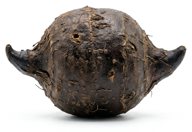 Water chestnut
Use the same weight, sliced; add 5 minutes before the end; crisp but less starchy and no holes.
 Canned bamboo shoots
Use the same weight, drained and sliced; add 5 minutes before the end; crunchier and more sour.


 Vegetable oil
Use the same weight. It is neutral and behaves the same in frying and tempering; no noticeable change in flavour.
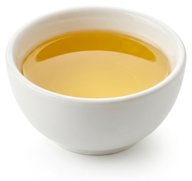 Corn or vegetable oil
Use the same weight. Neutral and good for high heat; the dish will taste virtually the same.
 Groundnut oil
Use the same weight. It has a mild nutty flavour and is good for Indian cooking; heat until just hot, not smoking, so the nuttiness does not dominate.


 Coriander leaf
Use equal weight, chopped fresh and stirred in off the heat or used as garnish. Matches the citrus-herbal profile identically.
 Mint
Use 40% to 50% of the weight; chop finely and add at the very end. Adds fresh herbal brightness, but shifts the aroma toward cool menthol.


 Roasted peanut
Use the same weight; adjust salt if they are already salted, and crush or grind as the recipe asks.
 Cashew nut
Use the same weight; they are richer and softer, so roast for a shorter time and reduce added fat.
 Almond
Use the same weight; blanch and peel for sauces, or chop for texture. They are firmer and less oily.


 Red chilli powder
Use 100% of the weight. Provides direct, sharp heat and red colour in equal measure.
 Kashmiri chilli powder
Use 150% to 200% of the weight if matching colour, but add a pinch of black pepper or hot chilli if you need equivalent fiery heat.
 Cayenne pepper
Use 75% to 100% of the weight. Offers a sharp, clean heat with slightly less earthy depth and less crimson colour.


 Ground dried mango powder
Use the same weight; same sour mango flavour. Add early so it can soften into the dish.
 Dried mango powder
Grind to a powder and use the same weight. Slightly coarser unless finely ground.
 Lemon juice
Use 5–6 times the weight, e.g. 1 tsp powder to about 5 tsp juice; add off the heat. Wetter and fresher-tasting.


 Cumin seed
Dry-roast briefly and grind finely; use equal weight (1:1). Imparts an even punchier, nuttier, toasty aroma than pre-ground cumin.
 Ground coriander
Use equal weight (1:1). Adds mild, lemony sweetness rather than cumin's smoky, earthy bite; curries will taste lighter and less savoury.
 Black cumin seeds
Grind finely; use 60% to 75% of the weight. Produces a darker, more complex, smoky-herbal flavour suited to rich gravies.


 Fresh ginger
Use equal weight; scrape off the skin and grate or finely julienne according to the recipe.
 Ginger paste
Use equal weight; stir straight into the sizzling aromatics, taking care as the extra moisture may spit.
 Ground ginger
Use 15 to 20% of the weight; add alongside ground spices, noting it imparts warm, dry heat rather than zesty freshness.


 Lime
Use the same weight or juice amount; sharper, so taste before adding all the juice.
- Lemon juice
Use about 45–50 ml for 1 lemon; add off the heat to keep the freshness.
- Dried mango powder
Use 1 tsp for the juice of 1 lemon; add early. Sourness is flatter and less fresh.

Similar dishes

- Same: Nadru ke Kebab also features lotus root as the primary ingredient, seasoned with chilli, cumin, and salt.
- Different: Instead of deep-frying sliced lotus rounds with ginger and peanuts, it uses fire-roasted lotus root mashed with coriander, green chillies, black pepper, and cinnamon to make pan-fried patties.
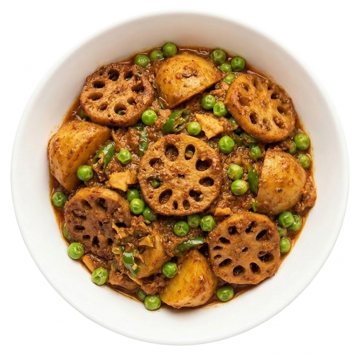
- Same: Dum Nadru also features lotus stem seasoned with fresh ginger, cumin, chilli powder, and salt.
- Different: Instead of being deep-fried and tossed with peanuts like this dry dish, Dum Nadru is cooked with potatoes, peas, and ghee in a simmered sauce flavoured with asafoetida, cloves, Kashmiri garam masala, coriander, and sugar.

- Same: Nadru Yakhani also features lotus root cooked with ginger and salt.
- Different: Instead of being deep-fried and tossed with chilli powder and cumin like this dry snack, Nadru Yakhani is simmered in ghee and a yogurt gravy seasoned with whole spices like cinnamon, cloves, and cardamom.

- Same: Shahalyat Kalve shares ginger, chilli powder, cumin, coriander, and salt with this dish.
- Different: Shahalyat Kalve uses oysters, coconut vinegar, desiccated coconut, tender coconut flesh, green chilli, mint, and vegetable oil, while this dish uses lotus stem, peanuts, amchoor, lemon, and deep-frying oil.