
Nadru ke Kebab
These savoury Kashmiri patties are made from fire-roasted lotus root blended with fragrant spices and fresh herbs, then pan-fried until crisp and golden brown.
Kebab masala
8 gMixed into the processed lotus root paste (step 2)Everything else

Method
- Roast 1000 g lotus root over hot coals or under a medium grill (broiler) for roughly 5 minutes, turning until charred brown specks form across the surface. Let them sit until cool enough to touch, then strip off the peel, slice thinly, and pulse in a food processor to form a textured, coarse paste.
- Transfer the lotus root paste to a mixing bowl. Incorporate 1.5 tablespoon chopped coriander, 14.8 g chopped green chilli, and the kebab masala, stirring until evenly distributed. Stir in 1 teaspoon spice blend, season with salt to taste, and blend in 6 tablespoon breadcrumbs until fully combined.
- Moisten your hands lightly with water and shape the mixture into 25 equal portions, flattening each into a smooth disc.
- Pour enough vegetable oil for shallow-frying into a kadhai or heavy skillet and place over medium-high heat. Fry the patties in batches for 3 to 4 minutes, turning as needed until pale golden brown on both sides. Lift them out using a slotted spoon and drain on paper towels before serving.
Don't have something?


 Lotus stem
Use the same weight; same vegetable under another name; peel and slice; cooking time unchanged.
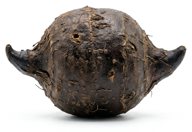 Water chestnut
Use the same weight, sliced; add 5 minutes before the end; crisp but less starchy and no holes.
 Canned bamboo shoots
Use the same weight, drained and sliced; add 5 minutes before the end; crunchier and more sour.


 Coriander leaf
Use equal weight, chopped fresh and stirred in off the heat or used as garnish. Matches the citrus-herbal profile identically.
 Mint
Use 40% to 50% of the weight; chop finely and add at the very end. Adds fresh herbal brightness, but shifts the aroma toward cool menthol.


 Chilli powder
Use 10 to 15% of the weight (about 1/4 teaspoon per chilli); imparts dry pungent heat and reddens the dish without the grassy crunch.
 Dried red chilli
Use 1 dried pod per fresh green chilli; snap in half and temper in hot oil for a deeper, toastier heat.


 Nigella seeds
Use the same weight; in Indian cooking this is usually the same seed. Toast lightly if the recipe asks for toasted.
- Kalonji seed
Use the same weight; it is another name for nigella. Add whole or crush lightly.
 Cumin seed
Use about 75% of the weight and toast before use; the flavour is different, more warm and less onion-like.


 Dried mint
Use the same weight and crush finely; it is virtually the same.
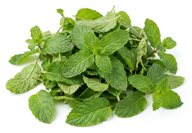 Mint leaves
Use about 3 times the weight, chop very fine; it is fresher and wetter, so reduce other liquid slightly.


- Ground Ceylon cinnamon
Milder and sweeter than ground cassia: use about 1.5 times the weight.
 Cassia bark (Chinese cinnamon)
Grind the same weight of cassia bark in a spice mill until powdery, or simmer a piece whole and lift it out before serving.
 Ground mace
Use 40 to 50% of the weight; offers a delicate, sweet, woodsy fragrance that complements rich curries without dominating.


 Dried kashmiri chilli
Grind deseeded dried pods to an equal weight of powder; gives identical vivid red colour and gentle warmth.
 Red chilli powder
Use 25% of the weight mixed with sweet paprika for colour; straight red chilli powder is substantially hotter and will make the dish fiery.
- Chilli powder
Use one-third of the weight; the sauce will be less intensely red and notably sharper in heat.


 Black peppercorn
Use 1:1 by weight; pulverise in a spice mill or mortar to a fine powder for immediate, punchy heat.
 Coarsely ground black pepper
Use equal weight; offers the same bite, though it gives a visibly speckled finish and firmer crunch.


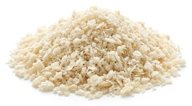
 White breadcrumb
Use the same weight; fresh white crumbs are softer and bind more gently.
 Dried breadcrumb
Use about 70% of the weight and moisten slightly, as dried crumbs absorb more liquid.
 Panko breadcrumbs
Use the same weight; they are lighter and crisper, giving a coarser coating.


 Peanut oil
Use 1:1 by weight. Handles high-heat frying identically and introduces a very subtle, pleasant nuttiness.
 Ghee
Use 1:1 by weight. Yields a much richer, authentic aroma and a glossy, heavier mouthfeel.
 Mustard oil
Use 1:1 by weight. Heat until smoking, then cool slightly before cooking to temper its intensely pungent, sharp mustard kick.


Similar dishes

- Same: Nadru Yakhani also features lotus root as the primary ingredient and seasons it with cinnamon.
- Different: Instead of shaping lotus root into patties and pan-frying them in vegetable oil with green chillies, coriander, and cumin, Nadru Yakhani simmers it in ghee and a plain yogurt gravy flavored with cloves, ginger, and both green and black cardamom.

- Same: Both dishes feature lotus stem seasoned with chilli powder, cumin, and salt.
- Different: Kararre Bhyein deep-fries sliced lotus stems and tosses them with ginger and roasted peanuts, while this dish uses mashed, fire-roasted lotus root pan-fried into patties with cinnamon, black pepper, and coriander.
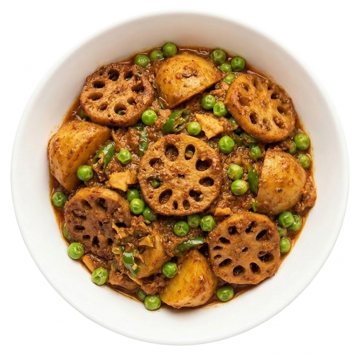
- Same: Both dishes feature lotus root seasoned with cumin, chilli powder, and fresh green chillies.
- Different: Dum Nadru adds potatoes, peas, ginger, asafoetida, cloves, and sugar cooked in ghee or oil as a saucy baked dish, whereas this dish is shaped into patties and pan-fried with cinnamon and black pepper.
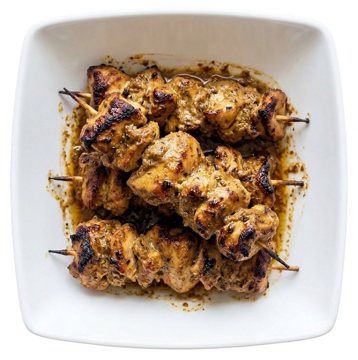
- Same: Murg ke Soole also uses green chilli, black cumin seeds, and ground cinnamon.
- Different: Instead of pan-frying lotus root patties in vegetable oil, it skewers and roasts chicken coated in cream, cashew paste, ghee, garlic, lemon juice, and vinegar.