
Nadru Yakhani
A comforting Kashmiri-style curry of tender lotus root simmered in an aromatic, spiced yogurt gravy with warm whole spices and ginger.
Aromatic spices
9 gFried in the ghee (step 2)Everything else

Method
- Bring a pot of water to a boil, drop in 500 g lotus root, and cook for 10 minutes until partially tender, then drain.
- Set another pan over low heat and melt 46.2 g ghee. Tip in the aromatic spices along with 1 teaspoon aniseed and salt to taste, then cook for 10 minutes, stirring without stopping.
- Tumble the parboiled lotus root into the spiced ghee, turn the heat down, and simmer for 10 minutes until fully tender.
- Fold in 254 g plain yogurt and cook at a gentle simmer over low heat for 2 minutes.
Don't have something?


 Lotus stem
Use the same weight; same vegetable under another name; peel and slice; cooking time unchanged.
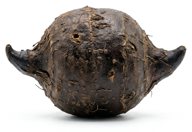 Water chestnut
Use the same weight, sliced; add 5 minutes before the end; crisp but less starchy and no holes.
 Canned bamboo shoots
Use the same weight, drained and sliced; add 5 minutes before the end; crunchier and more sour.


 Unsalted butter
Use 120% of the weight; melt gently over low heat to avoid burning the milk solids, which will yield a softer, creamier richness rather than a nutty aroma.
 Vegetable oil
Use 85% of the weight; holds high cooking temperatures without smoking, but the final dish will lack traditional dairy depth.
 Mustard oil
Use equal weight; heat to smoking point and cool slightly before cooking, bearing in mind it introduces an assertive, pungent edge.


 Ground black cardamom
Use 0.5 g of ground seeds for each whole pod. Stir directly into the curry base; delivers identical smoky flavour without woody husks.
 Green cardamom pod
Use equal pod count or weight. Crack slightly and fry whole; tastes sweet, menthol-fresh, and floral rather than dark and smoky.


 Green cardamom seed
Use 35 to 40% of the total pod weight; lightly bruise the seeds before frying in oil to release their essential oils.
 Ground green cardamom
Use 20 to 25% of the pod weight (about 1 generous pinch per pod); stir in toward the end of cooking so the delicate floral notes do not dissipate.
 White cardamom pod
Use 1:1 by pod count or weight; crack gently before using, though it is slightly less intensely floral.


 Ground cloves
Use 1 g ground for 4 g whole (or 1 small pinch per 2 to 3 whole cloves). Add with spice powders; disperses intense warmth quickly, so use with restraint.
 Allspice berries
Use 100% of the weight whole in tempering. Imparts a warm, clove-like aromatic profile combined with hints of nutmeg and cinnamon.
- Black cardamom pod
Use 1 pod for 3 to 4 cloves in whole tempering. Shares a camphor-like warmth and medicinal depth, though it introduces a distinct smoky undertone.


 Ceylon cinnamon
True cinnamon: thinner, papery quills, milder and sweeter. Use about 1.5 times the weight, and taste.
 Ground cinnamon (cassia)
Use about a third of the weight (0.5 g ground for a 2.5 cm piece), stirred in with the ground spices rather than fried whole, since the powder burns quickly.
 Cassia buds
Use 60-70% of the weight; stronger and more peppery, so taste before adding more.


 Ground fennel seed
Use the same weight; fennel is the closest everyday match, slightly sweeter and milder.
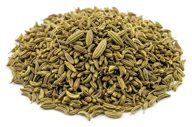 Aniseed
Grind the same weight freshly; the aroma is stronger, so add it near the end.
 Ground star anise
Use about 50% of the weight; it is much more powerful and slightly liquorice-heavy.


 Ginger paste
Use 300% to 400% of the weight (e.g. 3–4 g paste for 1 g ground). Fry in oil alongside onions; provides a juicy, pungent kick rather than a dry, baking-spice heat.
 Fresh ginger
Peel and grate finely; use 300% to 400% of the weight. Add to the hot oil early; delivers bright, peppery warmth rather than the mellow, woody heat of dry ginger.
 Ground mace
Use 50% of the weight. Imparts a warm, spicy undertone in rich gravies, but lacks ginger's fiery, sharp zest.


 Yogurt
Use equal weight, whisked thoroughly until smooth before adding to hot dishes to prevent curdling.
 Coconut milk
Use equal weight with 1 teaspoon lemon juice mixed in. Provides rich creaminess in curries, but adds a noticeable coconut flavour.
 Single cream
Use 80% of the weight plus a squeeze of lemon juice for acidity. Enriches sauces nicely, though it is richer and less tangy.


Similar dishes

- Same: Murg Roganjosh shares a plain yogurt base simmered with ground ginger, cinnamon, cloves, and both green and black cardamom.
- Different: It uses chicken cooked in mustard oil rather than lotus root cooked in ghee, and adds Kashmiri chilli powder, bay leaf, asafoetida, and Kashmiri garam masala.
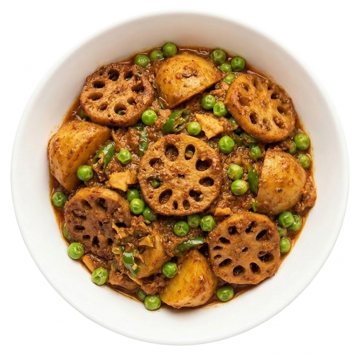
- Same: Dum Nadru shares lotus root, ghee, clove, ginger and salt with this dish, and both use warm whole spices in a lotus-root curry.
- Different: It adds potato, peas, green chilli, chilli powder, cumin, asafoetida, coriander, sugar and Kashmiri garam masala, uses more fat, and lacks this dish's yogurt, cardamom, cinnamon and aniseed while being baked or simmered in a spicy sauce rather than a yogurt gravy.

- Same: Gushtaba shares a Kashmiri-style plain yogurt gravy cooked in ghee and flavored with ground ginger, cloves, and green and black cardamom.
- Different: Instead of lotus root, Gushtaba features pounded meatballs and adds ground fennel seed, fried onion paste, and dried mint while omitting cinnamon.
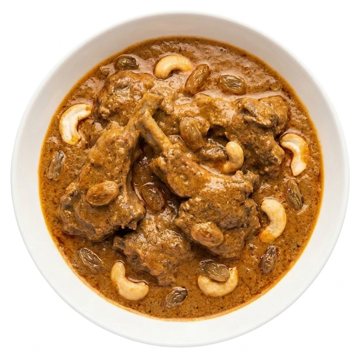
- Same: Darashahi Kaliya shares a Kashmiri-style yogurt gravy seasoned with clove, cinnamon, green cardamom, ground aniseed, and ground ginger, and both use yogurt as the souring agent.
- Different: Darashahi Kaliya is braised lamb ribs in mustard oil with milk, asafoetida, turmeric, chilli powder, Kashmiri garam masala, raisins, and cashews, while this dish simmers lotus root in ghee with black cardamom and no milk, chilli, turmeric, raisins, or cashews.