Indian cooking
Indian cooking / Dishes / Illich Maachh Annanas
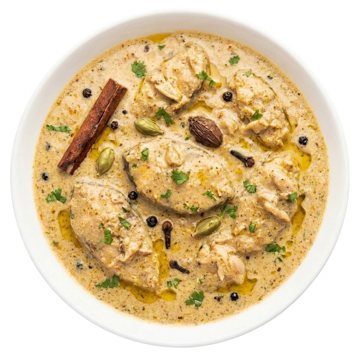
Illich Maachh Annanas (Hilsa with Pineapple)

Illich Maachh Annanas

Hilsa with Pineapple
Non-vegetarian●●●Origin West BengalPrep 20 minutes, plus standing timeCook 25 minutes

A Bengali fish curry pairing rich hilsa with sweet, acidic pineapple in a mustard-oil gravy. Aniseed and warm whole spices give the sauce a fragrant, balanced depth.

Fish marinade spice

4.5 gRubbed onto the fish (step 1)
01
4.5 g1½ teaspoons
spice
Keep as a powder for coating the fish.

Whole spices

3.3 gFried in the mustard oil (step 4)
01
1 g2 leaves
spice
02
0.3 g4 cloves
spice
04
1.3 g1 piece
spice
Leave whole; they will temper directly in the hot oil.

Ground spices for the sauce

2.6 gAdded with the pastes into the pan (step 5)
01
2.6 g1 teaspoon
spice
Keep as a powder to stir into the aromatics.

Everything else

01
600 g
fish
02
Ginger · Adrakpeeled and grated
12 g1 piece
aromatic
03
114 g125 ml
oil/fat
04
360 g6 slices
fruit
05
to taste
salt

Method

  1. Cut 600 g fish into even pieces, arrange in a shallow dish, and rub thoroughly with the fish marinade spice and salt to taste. Cover and chill in the refrigerator for 30 minutes.
  2. Pound or blend 12 g ginger with a splash of water into a smooth paste and set aside. Blend 1 tablespoon aniseeds with a splash of water to form a smooth paste and set aside.
  3. Heat 30 g (2 tablespoons) of the 114 g mustard oil in a heavy-based frying pan over low heat. Fry the fish in batches for about 1 minute on each side, then transfer to a plate with a slotted spoon.
  4. Pour the remaining mustard oil into the pan over medium heat, add the whole spices, and fry for about 2 minutes until they darken and release their aroma.
  5. Add the ground spices for the sauce along with the ginger paste and aniseed paste, frying for 2 to 3 minutes until oil separates from the masala.
  6. Stir in 6 chopped pineapple pieces and season with salt to taste. Pour in 125 ml water, bring to a boil, then turn the heat to low and simmer for 5 minutes.
  7. Gently lower the fried fish into the simmering sauce, cover, and cook on low heat for about 15 minutes until tender, turning the pieces once with care so they do not break.

Don't have something?

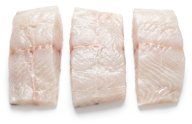
Firm fish fillet
Ground turmeric
  • Ground ginger

    Use 50% of the weight. Mimics turmeric's warm, earthy, rhizome background, but provides none of the golden-yellow colour.

  • Saffron

    Steep a tiny pinch (0.1 g per 2 g turmeric) in 2 tbsp warm water; use to match the rich golden hue. Contributes an aristocratic, honeyed floral flavour rather than earthy bitterness.

Ginger
  • Fresh ginger

    Use equal weight; scrape off the skin and grate or finely julienne according to the recipe.

  • Ginger paste

    Use equal weight; stir straight into the sizzling aromatics, taking care as the extra moisture may spit.

  • Ground ginger

    Use 15 to 20% of the weight; add alongside ground spices, noting it imparts warm, dry heat rather than zesty freshness.

Aniseed
  • Fennel seed

    Use equal weight. Fry or grind as directed; slightly greener and less intensely sweet, but the closest liquorice-adjacent match.

  • Star anise

    Use 50% of the weight. Grind finely or infuse whole in simmering liquid and discard before serving; delivers a stronger, woodier liquorice profile.

Mustard oil
  • Peanut oil

    Use equal weight. It handles high-heat cooking well, but lacks the signature pungent, nasal heat of mustard oil.

  • Vegetable oil

    Use equal weight. Neutral in flavour, so your curry will lack the characteristic Bengali or North Indian pungent punch.

Bay leaf
  • Cinnamon stick

    Use a 2 cm piece (about 1 g) for every 1 to 2 bay leaves. Fry in whole-spice temperings; provides the cassia-like warmth typical of Indian tejpatta.

  • Ground cinnamon (cassia)

    Use 0.5 g per leaf. Stir into the sauce during simmering; gives the same warm woodiness but darkens the colour slightly.

Clove
  • Ground cloves

    Use 1 g ground for 4 g whole (or 1 small pinch per 2 to 3 whole cloves). Add with spice powders; disperses intense warmth quickly, so use with restraint.

  • Allspice berries

    Use 100% of the weight whole in tempering. Imparts a warm, clove-like aromatic profile combined with hints of nutmeg and cinnamon.

  • Black cardamom pod

    Use 1 pod for 3 to 4 cloves in whole tempering. Shares a camphor-like warmth and medicinal depth, though it introduces a distinct smoky undertone.

Green cardamom pod
  • Green cardamom seed

    Use 35 to 40% of the total pod weight; lightly bruise the seeds before frying in oil to release their essential oils.

  • Ground green cardamom

    Use 20 to 25% of the pod weight (about 1 generous pinch per pod); stir in toward the end of cooking so the delicate floral notes do not dissipate.

  • White cardamom pod

    Use 1:1 by pod count or weight; crack gently before using, though it is slightly less intensely floral.

Cassia bark
  • Ceylon cinnamon

    True cinnamon: thinner, papery quills, milder and sweeter. Use about 1.5 times the weight, and taste.

  • Ground cinnamon (cassia)

    Use about a third of the weight (0.5 g ground for a 2.5 cm piece), stirred in with the ground spices rather than fried whole, since the powder burns quickly.


  • Cassia buds

    Use 60-70% of the weight; stronger and more peppery, so taste before adding more.

Chilli powder
  • Red chilli powder

    Use 100% of the weight. Provides direct, sharp heat and red colour in equal measure.

  • Kashmiri chilli powder

    Use 150% to 200% of the weight if matching colour, but add a pinch of black pepper or hot chilli if you need equivalent fiery heat.

  • Cayenne pepper

    Use 75% to 100% of the weight. Offers a sharp, clean heat with slightly less earthy depth and less crimson colour.

Pineapple slice
  • Canned pineapple slice

    Use the same weight, drained and patted dry; it is sweeter, so reduce sugar.

  • Pineapple

    Cut into slices of the same weight; fresh pineapple is firmer and more tart, so cook a few minutes longer.

  • Canned pineapple

    Use the same drained weight and cut into slices; it is softer and sweeter than fresh.

Similar dishes

Kala Saranga
Black Pomfret
Kala Saranga tastes sharp with lime and peppery heat rather than pungent with mustard oil and fruity with sweet-tart pineapple.
  • Same: Both feature fish seasoned with warm spices including ground turmeric, cinnamon, and cloves.
  • Different: Instead of simmering hilsa in a mustard-oil and pineapple gravy, Kala Saranga coats black pomfret in lime juice, cumin, and black pepper before pan-roasting it in a parcel.
Dahi ki Machhali
Fish Cooked in Yoghurt Sauce
It tastes creamy and mildly tangy from cultured dairy rather than sharp from mustard oil and sweet-acidic from pineapple.
  • Same: Dahi ki Machhali also cooks fish in a spiced gravy using ginger, turmeric, chilli powder, cinnamon, cloves, and green cardamom.
  • Different: It builds a thick sauce from yogurt, pureed onions, and garlic cooked in vegetable oil with black cardamom and coriander, omitting this dish's mustard oil and fruit.
Ilish Maachher Pulao
Hilsa Pulao
It tastes mild, buttery, and delicately tangy from the yogurt gravy, rather than pungent, spicy, and sweet-tart like this pineapple-infused curry.
  • Same: Ilish Maachher Pulao also features hilsa fish cooked with ginger and whole spices, specifically bay leaf, cinnamon, green cardamom, and cloves.
  • Different: Instead of a mustard-oil curry made with pineapple, it is a layered basmati rice dish cooked with ghee, butter, yogurt, onions, and garlic, omitting the turmeric and chilli powder.
Taleli Masala Boomla
Fried Spiced Bombay Duck
Taleli Masala Boomla delivers a crisp, earthy, and sharply spiced flavour instead of the sweet, fruity, and mustard-rich profile of this dish.
  • Same: Taleli Masala Boomla also features fish seasoned with ginger, turmeric, cinnamon, clove, and cardamom.
  • Different: Instead of simmering hilsa and pineapple in a mustard-oil gravy, it is shallow-fried Bombay duck prepared with garlic, green chillies, cumin, coriander, and fenugreek.