Indian cooking
Indian cooking / Dishes / Tomato Chutney
Tomato Chutney ()

Tomato Chutney

VegetarianMakes ABOUT 350 G (12 OZ)

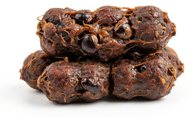
A thick, tangy onion and tomato chutney ground smooth and finished with a mustard-and-chilli tempering. It tastes sweet-sour from tomato and tamarind, with warm cumin and a sharp mustard kick.

Tomato-base masala

4.1 gStirred into the onion and tomato mixture (step 3)
01
2.1 g1 teaspoon
spice
Keep the cumin whole; add both spices together.

Mustard tempering masala

3.5 gAdded to the hot tempering oil first (step 7)
01
3.5 g1 teaspoon
spice
Keep whole: they go into the hot oil first.

Dried chilli tempering masala

3 gAdded after the mustard seeds pop (step 8)
Keep whole: add after the mustard seeds have popped.

Everything else

01
14 g1 tablespoon
oil/fat
02
1500 g10 onions
vegetable
03
480 g4 tomatoes
vegetable
04
6 g2 cloves
aromatic
05
~0.3 gpinch
salt
06
12 g2 teaspoons
souring agent
07
14 g1 tablespoon
oil/fat
08
0.5–0.8 g2–3 leaves
herb

Method

  1. Heat 13.5 g vegetable oil in a large heavy pan over medium heat.
  2. Add 1500 g onion, chopped, and fry for about 10 minutes, stirring, until soft.
  3. Add 480 g tomato, chopped, 6 g garlic, minced, 0.3 g sea salt and the tomato-base masala (2.1 g cumin seed and 2 g kashmiri chilli powder). Cook for 10–15 minutes, until the tomato collapses.
  4. Take the pan off the heat and let the mixture cool.
  5. Grind the cooled mixture with 4 tbsp water to a smooth paste.
  6. For the tempering, heat 13.5 g vegetable oil in a clean pan.
  7. Add the mustard tempering masala (3.5 g black mustard seed) and fry for about 30 seconds, until the seeds pop.
  8. Add the dried chilli tempering masala (4 g dried Kashmiri red chilli) and 0.5–0.8 g curry leaf; fry for a few minutes until the oil smells aromatic.
  9. Stir the ground paste and 12 g tamarind paste into the tempering. Add 2 tbsp water and mix well.
  10. Heat until it just boils, then taste and add a little more salt if needed. Cool slightly.

Don't have something?

Vegetable oil
  • Peanut oil

    Use 1:1 by weight. Handles high-heat frying identically and introduces a very subtle, pleasant nuttiness.

  • Ghee

    Use 1:1 by weight. Yields a much richer, authentic aroma and a glossy, heavier mouthfeel.

  • Mustard oil

    Use 1:1 by weight. Heat until smoking, then cool slightly before cooking to temper its intensely pungent, sharp mustard kick.

Onion
  • Shallot

    Use equal weight, finely sliced. Shallots soften and brown faster, giving a slightly sweeter and more delicate base to curries.

  • Cabbage

    Use 80% of the weight, finely shredded and browned slowly with a pinch of asafoetida. Replicates the bulk and natural sweetness in gravies without allium.

Tomato
  • Tomato purée

    Use 40% to 50% of the fresh tomato weight mixed with a splash of water. Imparts a deeper red colour, thicker sauce, and slightly sweeter cooked flavour.

  • Plain yogurt

    Use 60% of the weight, whisked smooth and added on low heat. Provides rich body and sourness, though the gravy becomes paler and creamier.

Garlic
  • Garlic paste

    Use equal weight. Fry gently in oil or ghee with the ginger; incorporates smoothly into curries without visible minced bits.

  • Garlic powder

    Use 15% to 20% of the weight (about 1 g for every 5 to 6 g fresh cloves). Whisk into sauces; gives a savoury, toasted garlic flavour without raw pungency.

  • Shallot

    Use 1.5 times the weight, very finely minced. Sauté until golden; provides savoury allium sweetness, though it lacks garlic's pungent sulphur bite.

Cumin seed
  • Ground cumin

    Use 70% of the weight; add with ground spices or sauce bases rather than hot oil tempering, where it scorches quickly and turns bitter.

  • Black cumin seeds

    Use equal weight for oil tempering. Delivers an earthy profile with an additional musky, smoky, and slightly bitter edge.

  • Fennel seed

    Use 60% of the weight for tempering; offers comparable warm aroma, but leans sweet and liquorice-like rather than savoury and earthy.

Kashmiri chilli powder
  • Dried kashmiri chilli

    Grind deseeded dried pods to an equal weight of powder; gives identical vivid red colour and gentle warmth.

  • Red chilli powder

    Use 25% of the weight mixed with sweet paprika for colour; straight red chilli powder is substantially hotter and will make the dish fiery.

  • Chilli powder

    Use one-third of the weight; the sauce will be less intensely red and notably sharper in heat.

Tamarind paste
  • Tamarind pulp

    Use 120–150% of the weight and strain; pulp is less concentrated, so simmer a little longer to thicken.

  • Tamarind extract

    Use 150–200% of the weight and reduce gently; extract is already diluted.

  • Lime juice

    Use 60–70% of the weight with a pinch of jaggery; sharper, so add near the end off the heat.

Black mustard seed
  • Mustard seeds

    Use equal weight. Pop in hot fat until they crackle and turn greyish; yields an almost identical nutty, pungent finish.

  • Yellow mustard seeds

    Use equal weight. Fry over medium heat; delivers a milder, sweeter pop and turns bitter quickly if the oil is excessively hot.

Dried kashmiri chilli
  • Kashmiri chilli powder

    Use 1 g powder for every 1.5 g whole dried chilli; whisk with a spoonful of warm water and stir into the masala to provide identical ruby colour and mild heat.


  • Dried red chilli

    Use 35% to 40% of the weight; discard seeds before tearing into oil to temper. Delivers a much fiercer heat, with significantly less red colouring.

Curry leaf
  • Bay leaf

    Fry 1 bay leaf for every 5 curry leaves in hot oil; imparts a warm, woodsy background note, but misses the citrus-sulphury punch entirely.

  • Lime juice

    Add a small squeeze (about 5 ml per sprig of curry leaves) right before serving; provides sharp citrus top notes without the toasty, herbal aroma.

Similar dishes

Bhune Tamatar Ki Chutney
Roasted Tomato Chutney
Bhune Tamatar Ki Chutney tastes smoky and slightly sweet with mild chilli heat, while this dish tastes sweet-sour from tomato and tamarind with cumin warmth and a sharp mustard kick.
  • Same: Bhune Tamatar Ki Chutney shares tomato, Kashmiri chilli powder, garlic, and a thick chutney texture with this dish.
  • Different: Bhune Tamatar Ki Chutney uses roasted tomato, mustard oil, sugar, and coriander leaf, while this dish uses raw onion, tamarind, cumin, mustard seed tempering, dried chilli, and curry leaf.
Bengali Tamatar Chutney
Tomato Chutney with Nigella Seeds & Chilli
Bengali Tamatar Chutney tastes caramel-sweet and tangy from jaggery and vinegar with warm fennel, cumin and nigella, while this dish tastes sour from tamarind and tomato with a sharp mustard-chilli kick.
  • Same: Bengali Tamatar Chutney shares tomato, vegetable oil, cumin seed, Kashmiri chilli powder and dried red chilli with this dish, and both are thick tangy chutneys.
  • Different: Bengali Tamatar Chutney is tomato-based with jaggery, malt vinegar, fennel seed and nigella seeds, while this dish is onion-heavy and uses tamarind, garlic, black mustard seed and curry leaves with no jaggery or vinegar.
Thakkali Pachadi
Spiced Tomato Chutney with Garlic, Chilli and Coconut
Thakkali Pachadi tastes spicy and savoury with light coconut sweetness, while this dish tastes sweet-sour from tomato and tamarind with cumin and a sharp mustard kick.
  • Same: Thakkali Pachadi shares tomato, garlic, Kashmiri chilli, mustard-seed tempering, curry leaf and vegetable oil with this dish.
  • Different: Thakkali Pachadi lacks onion, tamarind and cumin, and it adds toasted coconut, turmeric and split urad dal.
Kerala Thakkali Meen Kari
Soupy Spiced Tomato and Fish Curry with Garlic, Chilli, Lime and Curry Leaves
Kerala Thakkali Meen Kari tastes tangy from tomato and lime with a warm chilli-garlic kick and soft fish, while this dish tastes sweet-sour from tomato and tamarind with cumin and a sharp mustard tempering.
  • Same: Kerala Thakkali Meen Kari shares tomato, onion, garlic, mustard seed, curry leaves and Kashmiri chilli powder with this dish.
  • Different: Kerala Thakkali Meen Kari adds monkfish, coconut oil, lime, ginger, turmeric, ground coriander and water for a thin soupy curry, while this dish is a thick ground onion-tomato chutney with tamarind and cumin and no fish.