
Hingwali Chukandar
An aromatic North Indian beetroot dish simmered in a spiced broth, enriched with yogurt, and finished with a fragrant tempering of whole seeds and asafoetida. The earthy sweetness of the beetroot is balanced by tangy lime juice and pungent, warming spices.
Ground spices for the broth
10 gWhisked with water and strained into the pan (step 2)Asafoetida
0.7 gDissolved in water and added near the end of cooking (step 7)Everything else

Method
- Dissolve the asafoetida in 2 tbsp water in a small dish and set aside.
- Whisk the ground spices for the broth into 750 ml water, then pour the mixture through a fine sieve into a heavy-based saucepan and bring it to a boil.
- Add the prepared vegetables to the pan, lower the heat, and simmer gently for 15 to 20 minutes until tender.
- Take the pan off the heat, mix in 38.2 g yogurt, and season with salt to taste. Return to low heat and simmer for another 5 minutes.
- In a separate small pan, heat 27 g vegetable oil over high heat, reduce the flame, then add 1 tsp fenugreek seeds, 1 tsp aniseed, and 1 tsp ajwain seeds. Fry for 1 minute until they crackle and splutter.
- Pour the hot spiced oil over the vegetables, cover with a lid, and simmer for 2 to 3 minutes, then remove from the heat.
- Stir in the reserved asafoetida liquid, cover the pan, and return to the heat to cook for 2 minutes.
- Stir in 12 g green chilli, 1 tsp ground ajwain, and 15.3 g lime juice to balance the sweetness before serving.
Don't have something?


 Garlic powder
Use double the weight. Stir into hot oil just before adding wet ingredients; mimics the allium savoury background without the sulphurous edge.
 Garlic paste
Use 2 g for every 0.5 g of asafoetida. Sauté in oil until the raw smell clears; adds moisture and sweet allium depth.



 Coriander seeds
Dry-roast lightly in a pan and grind to a fine powder; use equal weight (1:1). Offers a noticeably fresher, brighter citrus note.
 Ground cumin
Use 50% to 75% of the weight. Lacks the floral, citrusy profile of coriander and turns the gravy heavier, earthier, and darker.
 Garam masala
Use 50% of the weight and stir in near the end of cooking. Adds warmth and depth since it contains ground coriander, but introduces stronger spices like clove and cinnamon.


 Ground ginger
Use 50% of the weight. Mimics turmeric's warm, earthy, rhizome background, but provides none of the golden-yellow colour.
 Saffron
Steep a tiny pinch (0.1 g per 2 g turmeric) in 2 tbsp warm water; use to match the rich golden hue. Contributes an aristocratic, honeyed floral flavour rather than earthy bitterness.


 Red chilli powder
Use 100% of the weight. Provides direct, sharp heat and red colour in equal measure.
 Kashmiri chilli powder
Use 150% to 200% of the weight if matching colour, but add a pinch of black pepper or hot chilli if you need equivalent fiery heat.
 Cayenne pepper
Use 75% to 100% of the weight. Offers a sharp, clean heat with slightly less earthy depth and less crimson colour.


 Carrot
Use the same weight; grate or dice. Cooks 5 minutes faster and gives orange colour, not pink, with a sweeter taste.
 Sweet potato
Use the same weight; cube and cook similarly. Sweeter and less earthy, with a softer texture.
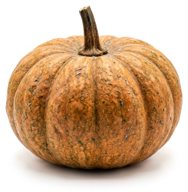 Pumpkin
Use the same weight; cube and cook 5 minutes less. Milder and softer, so the colour and earthiness are lost.



 Eggplant
Use equal weight. Cut into large chunks; cooks down much faster (10-12 minutes) and softens into the sauce rather than staying starchy and firm.
 Paneer
Use 80% of the weight. Cube and add in the last 5-10 minutes of cooking; adds rich dairy protein instead of starchy bulk.
 Dried chickpea
Use 45% dry weight. Soak overnight and boil until fully soft before stirring into the sauce to simmer for 10 minutes.


 Plain yogurt
Use 100% of the weight. Whisk thoroughly until smooth before stirring into warm gravies to prevent curdling.
 Single cream
Use 90% of the weight combined with 10% lemon juice to replicate the lactic tang and rich body in marinades and curries.


 Peanut oil
Use 1:1 by weight. Handles high-heat frying identically and introduces a very subtle, pleasant nuttiness.
 Ghee
Use 1:1 by weight. Yields a much richer, authentic aroma and a glossy, heavier mouthfeel.
 Mustard oil
Use 1:1 by weight. Heat until smoking, then cool slightly before cooking to temper its intensely pungent, sharp mustard kick.


 Mustard seed
Use 50% of the weight, crush or grind. Sharper heat and less maple-bitter; fry briefly in oil before adding.
 Caraway seeds
Use the same weight, crush lightly. Similar bitter-seed note but more aniseed; reduce other sweet spices slightly.
 Ajwain seeds
Use 25–30% of the weight, crush. Much stronger thyme-like flavour; do not overdo.



 Fennel seed
Use equal weight. Fry or grind as directed; slightly greener and less intensely sweet, but the closest liquorice-adjacent match.
 Star anise
Use 50% of the weight. Grind finely or infuse whole in simmering liquid and discard before serving; delivers a stronger, woodier liquorice profile.


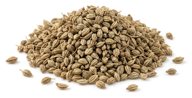
- Carom seeds
Use the same weight; this is the same seed under its other name.
 Carom seed paste
Use the same weight; looser and stronger, so add near the end and taste.
 Cumin seed
Use half the weight, lightly crushed; gives a warm aroma but not carom's thyme-like punch.


- Chilli powder
Use 10 to 15% of the weight (about 1/4 teaspoon per chilli); imparts dry pungent heat and reddens the dish without the grassy crunch.
 Dried red chilli
Use 1 dried pod per fresh green chilli; snap in half and temper in hot oil for a deeper, toastier heat.


 Lemon juice
Use equal volume or weight; slightly sweeter and less pungent, but otherwise an imperceptible swap.
 Dried mango powder
Use 25% of the weight; imparts dry, fruity sourness, best stirred in right at the end of cooking.
 Tamarind extract
Use 50% of the weight; delivers pleasant fruity tang but turns pale sauces considerably darker.


Similar dishes
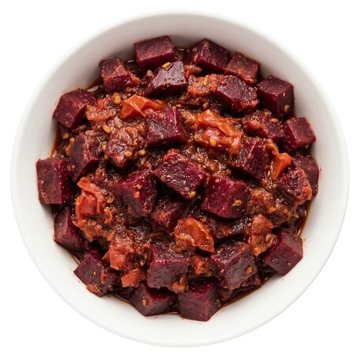
- Same: Chukandar ki Subzi also features beetroot cooked in vegetable oil with asafoetida, ground coriander, and chilli powder.
- Different: It is prepared as a dry tomato-based curry seasoned with clove, cumin, fenugreek seeds, and ginger, omitting the yogurt, lime juice, turmeric, and fresh green chillies used in this dish.
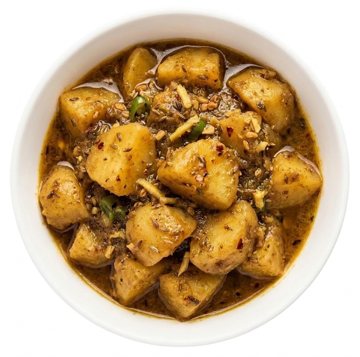
- Same: Khatte Aloo shares potato, asafoetida, turmeric, chilli powder, ground coriander, fenugreek seed and green chilli with this dish.
- Different: Khatte Aloo uses mustard oil, amchoor, ginger and clove and lacks beetroot, yogurt, lime juice, aniseed and carom seeds, while this dish simmers beetroot and potato in a yogurt-enriched broth and finishes with a whole-seed tempering.

- Same: Both recipes feature beetroot cooked in vegetable oil and seasoned with green chillies and asafoetida.
- Different: Beetroot Thuviyal is ground into a chutney using tamarind, fresh coconut, mustard seeds, and toasted lentils, whereas this dish is a curry made with yogurt, lime juice, ground coriander, and turmeric.
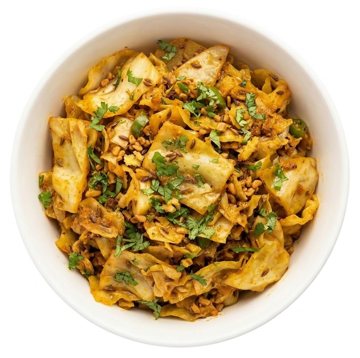
- Same: Karamkalla shares asafoetida, fenugreek seed, green chilli, chilli powder, turmeric, ground coriander, vegetable oil, and salt with this dish.
- Different: Karamkalla is a dry cabbage stir-fry with fresh and ground ginger, cumin seed, sugar, and fresh coriander, while this dish uses beetroot and potato simmered with yogurt, lime juice, aniseed, and carom seeds.