Indian cooking
Indian cooking / Dishes / Grilled Langoustines with Pickled Turmeric & Lasooni Butter
Grilled Langoustines with Pickled Turmeric & Lasooni Butter ()

Grilled Langoustines with Pickled Turmeric & Lasooni Butter

Non-vegetarianOrigin Scotland

Turmeric-coated langoustines grilled until just done, then finished with a vivid coriander, garlic and green chilli butter and sharp pickled turmeric. The flavour is rich and herbal, with gentle heat and a clean sour note.

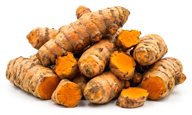
Pickled turmeric

200 gSteeped in the pickling liquor (step 2)
Peel into thin ribbons; they go into the pickling liquor.

Marinade turmeric

6 gMixed into the oil and salt for the langoustines (step 4)
01
6 g2 teaspoons
spice
Stir into the oil and salt to make the marinade.

Everything else

01
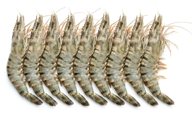
Langoustinedefrosted
640 g16 langoustines
seafood
02
Vegetable oil · Telto coat the langoustines
27 g2 tablespoons
oil/fat
03
~0.3 gpinch
salt
05
200 g
dairy
07
15 g5 cloves
aromatic
08
24 g4 chillies
vegetable
09
Lime juice · Nimbu Ka Rasa couple of squeezes
to taste
souring agent
10
~0.3 gpinch
salt

Method

  1. For the pickled turmeric, peel 200 g fresh turmeric root and cut it into thin ribbons; put them in a bowl.
  2. Pour 99.4 g pickling liquor over the pickled turmeric and leave for 1–2 hours at room temperature, then refrigerate.
  3. Split each of the 640 g langoustines along its length through the middle, keeping the head attached, and pull out the intestinal tract.
  4. Put the langoustines in a bowl and coat them with 27 g vegetable oil, 0.3 g sea salt and the marinade turmeric (6 g ground turmeric); cover and refrigerate.
  5. For the lasooni butter, blitz 200 g unsalted butter, 100 g coriander leaves, 15 g garlic, 24 g green chilli, a couple of squeezes of lime juice and 0.3 g salt in a food processor until smooth.
  6. Grill (broil) the langoustines on high for 2–3 minutes per side until just cooked; alternatively, cook them in a heavy frying pan over medium-high heat. Do not overcook.
  7. Melt the lasooni butter gently in a small frying pan, add a little more lime juice and spoon it over the langoustines.
  8. Scatter the pickled turmeric over the langoustines.

Don't have something?

Langoustine
  • Large prawn

    Use the same weight, peeled and deveined; cook 2-3 minutes less so they stay sweet and tender.

  • Tiger prawn

    Use the same weight; meatier but similar, and they need the same quick cooking.

  • Crayfish tail

    Use the same weight; smaller, so cook 1-2 minutes only and add near the end.

Vegetable oil
  • Peanut oil

    Use 1:1 by weight. Handles high-heat frying identically and introduces a very subtle, pleasant nuttiness.

  • Ghee

    Use 1:1 by weight. Yields a much richer, authentic aroma and a glossy, heavier mouthfeel.

  • Mustard oil

    Use 1:1 by weight. Heat until smoking, then cool slightly before cooking to temper its intensely pungent, sharp mustard kick.

Ground turmeric
  • Ground ginger

    Use 50% of the weight. Mimics turmeric's warm, earthy, rhizome background, but provides none of the golden-yellow colour.

  • Saffron

    Steep a tiny pinch (0.1 g per 2 g turmeric) in 2 tbsp warm water; use to match the rich golden hue. Contributes an aristocratic, honeyed floral flavour rather than earthy bitterness.

Fresh turmeric root
Pickling liquor
  • White vinegar

    Use 70% of the weight, make up the rest with water, and add a little granulated sugar if the liquor was sweet. Sharper and thinner.

  • White wine vinegar

    Use at 70% of the weight with water. Milder and fruitier than pickling liquor.

  • Malt vinegar

    Use at 60% of the weight with water; stronger and maltier, so reduce any other vinegar in the dish.

Unsalted butter
  • Ghee

    Use 80% to 85% of the weight. Delivers rich dairy flavour without the milk solids or moisture; watch the heat as it cooks hotter.

  • Butter

    Use equal weight, but reduce the recipe's added salt by approximately 1.5% of the weight of butter used.

Coriander leaves
  • Coriander (cilantro) or basil

    Use the same weight, choosing the coriander element if available. If only basil is available, expect a sweeter, more aniseed flavour.

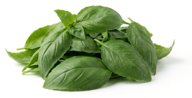
  • Basil leaves

    Use the same weight. Basil is sweeter and more aromatic in a different way; add near the end so it keeps its perfume.

  • Coriander paste

    Use 1.5 times the weight and reduce other liquid slightly; it is less fresh and more concentrated, so taste before adding more.

Garlic
  • Garlic paste

    Use equal weight. Fry gently in oil or ghee with the ginger; incorporates smoothly into curries without visible minced bits.

  • Garlic powder

    Use 15% to 20% of the weight (about 1 g for every 5 to 6 g fresh cloves). Whisk into sauces; gives a savoury, toasted garlic flavour without raw pungency.


  • Shallot

    Use 1.5 times the weight, very finely minced. Sauté until golden; provides savoury allium sweetness, though it lacks garlic's pungent sulphur bite.

Green chilli
  • Chilli powder

    Use 10 to 15% of the weight (about 1/4 teaspoon per chilli); imparts dry pungent heat and reddens the dish without the grassy crunch.

  • Dried red chilli

    Use 1 dried pod per fresh green chilli; snap in half and temper in hot oil for a deeper, toastier heat.

Lime juice
  • Lemon juice

    Use equal volume or weight; slightly sweeter and less pungent, but otherwise an imperceptible swap.

  • Dried mango powder

    Use 25% of the weight; imparts dry, fruity sourness, best stirred in right at the end of cooking.

  • Tamarind extract

    Use 50% of the weight; delivers pleasant fruity tang but turns pale sauces considerably darker.

Similar dishes

Prawns Rawa Fry
Crumb-Fried Prawns with Tamarind and Chilli
Prawns Rawa Fry is crunchy outside with juicy, spicy-sour prawn meat, whereas this dish is buttery and herbal with warm turmeric and a sharp lime lift.
  • Same: Prawns Rawa Fry shares shellfish, turmeric, garlic, chilli and a sour element with this dish.
  • Different: Prawns Rawa Fry coats tiger prawns in a tamarind, ginger, garlic and chilli paste, rolls them in semolina and rice flour, and shallow-fries them, while this dish grills langoustines with turmeric oil and finishes them with coriander, garlic and green chilli butter plus pickled turmeric.
Chinchi Gulatala Jawla
Sweet & Sour Prawns (Shrimp)
Chinchi Gulatala Jawla tastes sweet, sour and mildly spiced from tamarind and jaggery, while this dish tastes buttery and herbal with warm turmeric and a sharp lime lift.
  • Same: Chinchi Gulatala Jawla shares seafood, turmeric, garlic, chilli heat and a sour note with this dish.
  • Different: Chinchi Gulatala Jawla uses prawns in a simmered onion, ginger, cumin, coriander, chilli powder, tamarind and jaggery gravy, while this dish grills langoustines with turmeric oil and finishes them with garlic, coriander and green chilli butter plus pickled turmeric.
Jhingri Maach Malai
Prawn (Shrimp) Malai Curry
Jhingri Maach Malai tastes creamy and coconut-rich with warm whole-spice and green-chilli heat, while this dish tastes buttery and herbal with warm turmeric and a sharp lime lift.
  • Same: Jhingri Maach Malai shares seafood, ground turmeric, green chilli, salt, and a fat with this dish.
  • Different: Jhingri Maach Malai uses prawns, ghee, green cardamom, clove, cinnamon, bay leaf, mace, coconut milk, and coconut cream, and it is simmered as a curry, while this dish uses langoustines, pickled turmeric, coriander-garlic-green chilli butter, lime juice, and grilling.
Ginger-Marinated King Prawns with Turmeric, Mustard & Chilli
Adraki Tandoori Jhinge
It tastes sharp from yoghurt and warming from mustard and ginger with light smoke, while this dish tastes buttery and herbal with warm turmeric and a sharp lime lift.
  • Same: Both are grilled shellfish dishes seasoned with turmeric and chilli.
  • Different: It uses a yoghurt, mustard oil and chickpea flour marinade with ginger, while this dish uses langoustines with turmeric oil, pickled turmeric and a coriander-garlic-green chilli butter.