Indian cooking
Indian cooking / Dishes / Jhingri Maach Malai
Jhingri Maach Malai (Prawn (Shrimp) Malai Curry)

Jhingri Maach Malai

Prawn (Shrimp) Malai Curry
Non-vegetarian●●●Origin West BengalPrep 15–20 minutesCook 20 minutes

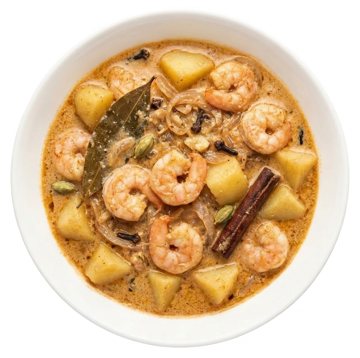
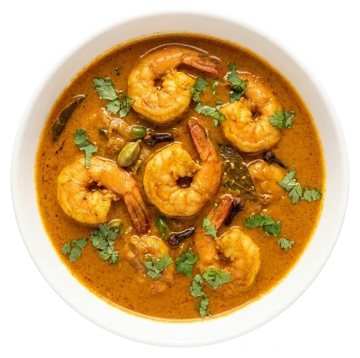
A fragrant Bengali prawn curry bathed in a luscious, delicately spiced coconut gravy. The dish balances gentle sweetness with the warmth of whole aromatics and fresh green chillies.

Prawn rub

1.5 gRubbed over the prawns (step 1)
01
1.5 g½ teaspoon
spice
Keep as a powder for coating the seafood.

Whole spices

2.1 gBloomed in the ghee (step 3)
02
0.4 g6 cloves
spice
04
0.5 g1 leaf
spice
Leave whole; they go into the warm fat together.

Finishing spice

0.3 gSprinkled into the simmering curry (step 5)
Keep as a fine powder to dust over the sauce.

Everything else

01
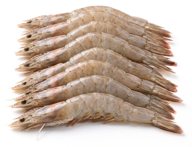
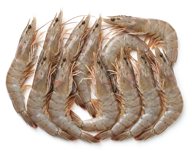
Prawn · Jhingapeeled and deveined
500 g
seafood
02
26 g2 tablespoons
oil/fat
04
Green chilli · Hari Mirchslit in half lengthways and de-seeded
12 g2 chillies
vegetable
06
to taste
salt

Method

  1. Place 500 g prawns in a wide dish, season with a pinch of salt to taste, and toss with the prawn rub until evenly coated.
  2. Melt 26.4 g ghee in a large frying pan over high heat. Add the seasoned prawns and sear for 2 minutes while stirring constantly, then transfer them to a plate and keep aside.
  3. Lower the heat to low, tip the whole spices into the residual fat, and gently fry for 1 to 2 minutes until they darken slightly and release their aroma.
  4. Pour in 250 g coconut milk, bring the liquid to a simmer, and cook for 2 minutes.
  5. Return the prawns to the pan along with 12 g green chilli, adjust with salt to taste, and simmer for 5 minutes. Dust the finishing spice over the top and cook for 2 minutes more.
  6. Stir in 125 g coconut cream and allow the curry to heat through gently, adding a couple of tablespoons of water to loosen the consistency if desired.

Don't have something?

Prawn
  • King prawn

    Use the same weight; cut large ones into 2 cm pieces. Sweeter and firmer; cook 1–2 minutes longer.

  • Firm white fish fillet

    Use the same weight, cut into chunks. Add 3–4 minutes later; milder and less sweet, and it flakes easily.

  • Small prawn

    Use the same weight; they cook faster, so add 2 minutes later. More numerous and slightly sweeter.

Ground turmeric
  • Ground ginger

    Use 50% of the weight. Mimics turmeric's warm, earthy, rhizome background, but provides none of the golden-yellow colour.

  • Saffron

    Steep a tiny pinch (0.1 g per 2 g turmeric) in 2 tbsp warm water; use to match the rich golden hue. Contributes an aristocratic, honeyed floral flavour rather than earthy bitterness.

Ghee
  • Unsalted butter

    Use 120% of the weight; melt gently over low heat to avoid burning the milk solids, which will yield a softer, creamier richness rather than a nutty aroma.

  • Vegetable oil

    Use 85% of the weight; holds high cooking temperatures without smoking, but the final dish will lack traditional dairy depth.

  • Mustard oil

    Use equal weight; heat to smoking point and cool slightly before cooking, bearing in mind it introduces an assertive, pungent edge.

Green cardamom pod
  • Green cardamom seed

    Use 35 to 40% of the total pod weight; lightly bruise the seeds before frying in oil to release their essential oils.

  • Ground green cardamom

    Use 20 to 25% of the pod weight (about 1 generous pinch per pod); stir in toward the end of cooking so the delicate floral notes do not dissipate.

  • White cardamom pod

    Use 1:1 by pod count or weight; crack gently before using, though it is slightly less intensely floral.

Clove
  • Ground cloves

    Use 1 g ground for 4 g whole (or 1 small pinch per 2 to 3 whole cloves). Add with spice powders; disperses intense warmth quickly, so use with restraint.

  • Allspice berries

    Use 100% of the weight whole in tempering. Imparts a warm, clove-like aromatic profile combined with hints of nutmeg and cinnamon.

  • Black cardamom pod

    Use 1 pod for 3 to 4 cloves in whole tempering. Shares a camphor-like warmth and medicinal depth, though it introduces a distinct smoky undertone.

Cassia bark
  • Ceylon cinnamon

    True cinnamon: thinner, papery quills, milder and sweeter. Use about 1.5 times the weight, and taste.

  • Ground cinnamon (cassia)

    Use about a third of the weight (0.5 g ground for a 2.5 cm piece), stirred in with the ground spices rather than fried whole, since the powder burns quickly.

  • Cassia buds

    Use 60-70% of the weight; stronger and more peppery, so taste before adding more.

Bay leaf
  • Cinnamon stick

    Use a 2 cm piece (about 1 g) for every 1 to 2 bay leaves. Fry in whole-spice temperings; provides the cassia-like warmth typical of Indian tejpatta.

  • Ground cinnamon (cassia)

    Use 0.5 g per leaf. Stir into the sauce during simmering; gives the same warm woodiness but darkens the colour slightly.

Coconut milk
  • Single cream

    Use equal weight; simmer gently over low heat to prevent curdling. Imparts a comparable rich texture, though it adds dairy richness without any coconut fragrance.


  • Cashew paste

    Whisk 1 part cashew paste with 2 parts water to match the consistency, then use equal weight. Provides a thick, velvety body without coconut flavour.

  • Whole milk

    Use equal weight, but reduce other cooking liquids by 20% to compensate for the lower viscosity. The curry will be lighter and lack sweetness.

Green chilli
  • Chilli powder

    Use 10 to 15% of the weight (about 1/4 teaspoon per chilli); imparts dry pungent heat and reddens the dish without the grassy crunch.

  • Dried red chilli

    Use 1 dried pod per fresh green chilli; snap in half and temper in hot oil for a deeper, toastier heat.

Ground mace
  • Mace blade

    Grind dried blades finely in a spice mill; use equal weight (1:1). Provides an identical, freshly aromatic, sweet-musky profile.

  • Ground nutmeg

    Use 75% to 80% of the weight. Derived from the seed of the same tree, it shares the flavour profile but is heavier, sweeter, and more pungent.

  • Ground cinnamon (cassia)

    Use 50% of the weight. Adds warming sweetness, but lacks mace's savoury, elegant floral notes.

Coconut cream
  • Coconut milk

    Use 1.25 times the weight and simmer to reduce back to the original weight; it is thinner and less rich.

  • Coconut, fresh or desiccated

    For 100 g cream, blend 60 g fresh coconut or 40 g desiccated coconut with 60 g hot water, then strain; use the thick top layer.

  • Cream

    Use the same weight for a dairy version; it lacks coconut flavour but gives similar richness.

Similar dishes

Veinchana Royyaalu
Curried Prawns (Shrimp)
Veinchana Royyaalu is much sharper, hotter, and tangier than this mild and creamy curry.
  • Same: Both dishes feature prawns cooked with turmeric, cloves, and fresh green chillies.
  • Different: Veinchana Royyaalu uses vegetable oil with an onion-tomato base, ginger-garlic paste, coriander, and lime juice, while this dish uses ghee with whole sweet spices like cardamom, cinnamon, and mace.
Chemeen Ada
Prawn (Shrimp) Cutlets
Chemeen Ada tastes crisp and savory with green chilli, shallot, ginger, and curry leaf, while this dish tastes creamy and gently spiced with coconut and whole aromatics.
  • Same: Chemeen Ada shares prawn, green chilli, and salt with this dish.
  • Different: Chemeen Ada uses rice flour, shallot, ginger, curry leaf, and vegetable oil and is pan-fried as cutlets, while this dish uses coconut milk, coconut cream, ghee, turmeric, cardamom, clove, cinnamon, bay leaf, and mace and is a curry.
Doi Jhingri
Prawns (Shrimp) Cooked in Yoghurt
Doi Jhingri tastes tangier from the yogurt and heartier from the potatoes, in contrast to the rich, mellow sweetness and fresh herbal heat of this dish.
  • Same: Doi Jhingri also features prawns cooked in ghee with whole bay leaf, green cardamom, cloves, and cinnamon.
  • Different: Doi Jhingri swaps coconut milk for a yogurt-based gravy and adds potatoes, onions, garlic, ginger, sugar, and chilli powder while omitting the turmeric, fresh green chillies, and mace.
Chingri Malai Curry
Bengali-Style Prawn Curry
Chingri Malai Curry tastes richer and sharper from onion, mustard, and sugar, with mild chilli heat, while this dish tastes more delicately sweet and coconut-forward with green chilli warmth.
  • Same: Chingri Malai Curry shares with this dish a Bengali prawn base, coconut milk, turmeric, green chilli, salt, and whole aromatics such as green cardamom, clove, and bay leaf.
  • Different: Chingri Malai Curry adds onion, ginger, garlic, grated coconut, vegetable oil, English mustard, sugar, Kashmiri chilli powder, and coriander leaves, while this dish uses ghee, coconut cream, mace, and no onion or mustard.