
Goan Avre Bendi
A butter bean curry with a coconut and Kashmiri chilli paste, curry leaves and tamarind. It is creamy, mildly hot and a little tangy-sweet.
Coconut and chilli paste
3 gBlended before frying (steps 1–3)Kashmiri chilli powder for the beans
2.6 gAdded with the butter beans after the paste is fried (step 8)Everything else

Method
- Put 3 g dried kashmiri chilli in 199 g warm water and leave to soak for 20 minutes.
- Drain the chilli, keeping the soaking liquid.
- Blend the drained chilli with 150 g coconut and 100 g of the soaking liquid until fine. Set the coconut and chilli paste aside.
- Warm 40.5 g vegetable oil in a wide non-stick pan over medium heat.
- Add 2–2.5 g curry leaf and cook until they crackle and pop.
- Add 6 g garlic and fry for 30 seconds.
- Add the coconut and chilli paste, stir, and fry for 5 minutes.
- Add 1.4 g butter bean and the kashmiri chilli powder for the beans (2.6 g); fry for 2 minutes.
- Add 4.2 g granulated sugar and 298 g water, then season with salt. Stir, bring to the boil, cover and simmer for 12–15 minutes until the beans are soft, stirring once halfway through.
- Stir in 6 g tamarind paste, take the pan off the heat, and scatter over coriander leaf to taste. Press some beans against the pan with a spoon to thicken the curry slightly.
Don't have something?


 Peanut oil
Use 1:1 by weight. Handles high-heat frying identically and introduces a very subtle, pleasant nuttiness.
 Ghee
Use 1:1 by weight. Yields a much richer, authentic aroma and a glossy, heavier mouthfeel.
 Mustard oil
Use 1:1 by weight. Heat until smoking, then cool slightly before cooking to temper its intensely pungent, sharp mustard kick.


 Bay leaf
Fry 1 bay leaf for every 5 curry leaves in hot oil; imparts a warm, woodsy background note, but misses the citrus-sulphury punch entirely.
 Lime juice
Add a small squeeze (about 5 ml per sprig of curry leaves) right before serving; provides sharp citrus top notes without the toasty, herbal aroma.


 Garlic paste
Use equal weight. Fry gently in oil or ghee with the ginger; incorporates smoothly into curries without visible minced bits.
 Garlic powder
Use 15% to 20% of the weight (about 1 g for every 5 to 6 g fresh cloves). Whisk into sauces; gives a savoury, toasted garlic flavour without raw pungency.
 Shallot
Use 1.5 times the weight, very finely minced. Sauté until golden; provides savoury allium sweetness, though it lacks garlic's pungent sulphur bite.


 Chickpea
Use the same weight of cooked or tinned chickpeas, drained; firmer and nuttier, so cook a little longer if mashing.
 Red kidney bean
Use the same weight cooked and drained; starchier and stronger, good in curries but can dominate.
 Black-eyed bean
Use the same weight cooked; softer and milder, so reduce cooking time.


 Dried kashmiri chilli
Grind deseeded dried pods to an equal weight of powder; gives identical vivid red colour and gentle warmth.
 Red chilli powder
Use 25% of the weight mixed with sweet paprika for colour; straight red chilli powder is substantially hotter and will make the dish fiery.
 Chilli powder
Use one-third of the weight; the sauce will be less intensely red and notably sharper in heat.


 Jaggery
Use equal weight; grate or shave finely so it dissolves rapidly, giving a warm, caramel-like sweetness and slightly darker sauce.


 Stock
Use the same weight in savoury dishes; it adds body, so adjust salt.
 Milk
Use the same weight only in doughs or creamy dishes; it makes the result richer.
 Coconut water
Use the same weight in curries or rice; it adds sweetness and a faint coconut taste.


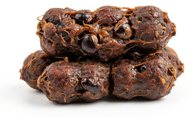 Tamarind pulp
Use 120–150% of the weight and strain; pulp is less concentrated, so simmer a little longer to thicken.
 Tamarind extract
Use 150–200% of the weight and reduce gently; extract is already diluted.
- Lime juice
Use 60–70% of the weight with a pinch of jaggery; sharper, so add near the end off the heat.


- Kashmiri chilli powder
Use 1 g powder for every 1.5 g whole dried chilli; whisk with a spoonful of warm water and stir into the masala to provide identical ruby colour and mild heat.
 Dried red chilli
Use 35% to 40% of the weight; discard seeds before tearing into oil to temper. Delivers a much fiercer heat, with significantly less red colouring.

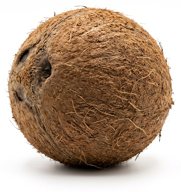
 Fresh coconut
Use equal weight freshly grated or diced. Delivers the identical sweet, milky taste and juicy texture.
 Desiccated coconut
Use 60% of the weight and soak in hot water or milk for 15 minutes before using. The finished dish will be slightly sweeter and less fibrous.
 Dried coconut
Finely grate and use 50% of the weight, soaked in hot water for 20 minutes. Yields a firmer chew and a denser, oilier coconut aroma.


Similar dishes

- Same: Thakkali Pachadi shares coconut, Kashmiri chilli, curry leaves, garlic and vegetable oil with this dish.
- Different: Thakkali Pachadi uses tomato as its main ingredient and finishes with a mustard-seed and urad dal tadka, while this dish uses butter beans, tamarind and sugar and has no mustard-seed tadka.

- Same: Goan Caril de Galinha shares vegetable oil, garlic, tamarind, Kashmiri chilli, coconut and coriander with this dish.
- Different: Goan Caril de Galinha uses chicken, onion, ginger, turmeric, black peppercorn and coconut milk, while this dish uses butter beans, curry leaves and sugar.

- Same: Andhra Vankaya Pulusu shares coconut, tamarind, Kashmiri chilli, curry leaves, garlic, vegetable oil and sugar with this dish.
- Different: Andhra Vankaya Pulusu roasts aubergine and cooks it in a coconut-yoghurt-tamarind gravy with black mustard seed, cinnamon, white onion, ground coriander and turmeric, while this dish simmers butter beans in a coconut-Kashmiri chilli paste without those ingredients.

- Same: Kerala Kadala Curry shares vegetable oil, curry leaves, garlic, Kashmiri chilli powder, tamarind, coconut and coriander leaf with this dish, and both are coconut-based curries soured with tamarind.
- Different: Kerala Kadala Curry uses chickpeas, coconut milk, onion, tomato, black mustard seeds, turmeric, garam masala and coriander seeds, while this dish uses butter beans, grated coconut, sugar and no onion or tomato.