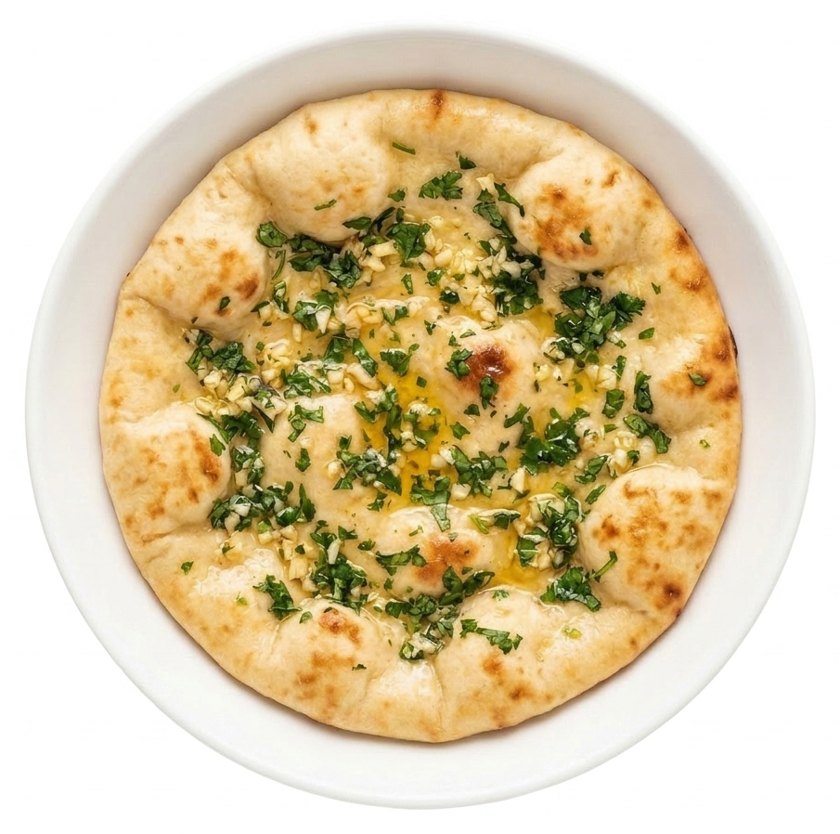
Garlic & Ghee Naan
A soft, pan-cooked naan brushed with garlicky ghee and finished with fresh coriander. It tastes savoury and rich, with a light tang from the yoghurt.
Ingredients

Method
- Stir 3.1 g active dried yeast and 4.2 g caster sugar into 29.8 g warm water. Set aside for 10 minutes.
- Mix 240 g plain flour, 4 g baking powder and salt to taste in a wide bowl.
- Add 93.1 g whole milk, 100 g greek yoghurt and the yeast water to the flour. Mix to a soft, tacky dough.
- Cover the bowl and put it in a warm spot for 1 hour.
- Warm 40 g of the 52.8 g ghee in a small pan over low heat. Add 9 g finely chopped garlic and cook for 30 seconds, until it just starts to colour.
- Take the pan off the heat and leave the garlic in the ghee while you shape and cook the naans.
- Knead the dough for 3–4 minutes, dusting with a little extra plain flour if needed, until smooth and less sticky.
- Cut the dough into 4 equal pieces. Roll each into an 18 cm round, using a little extra flour to stop sticking.
- Brush the top of each round with some of the remaining ghee.
- Heat a large dry frying pan over medium-high heat.
- Put one naan in the pan, ghee side down. Cover and cook for 1 minute, until bubbles form on top.
- Brush the top with more ghee. Turn the naan and cook for 1½ minutes more, until the second side is browned.
- Wrap the cooked naan in foil to keep warm. Cook the other three the same way.
- Lay the warm naans on a plate. Spoon over the garlic ghee and scatter with 30 g finely chopped coriander.
Don't have something?


 Fast-action dried yeast
Use the same weight. Mix straight into the flour as the recipe directs; no need to activate first. Proves a little faster.
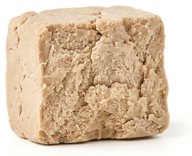 Fresh yeast
Use about 2.5 times the weight. Crumble into warm liquid with a little sugar and leave for 10 minutes before mixing. Slower and shorter-lived.


 Granulated sugar
Use the same weight. It is slightly coarser, so stir a little longer to dissolve; in baking, grind briefly if a fine texture matters.
 Demerara sugar
Use the same weight, but dissolve it earlier as it is coarser. It adds a light caramel note and a little colour.
 Ground jaggery or soft brown sugar
Use the same weight; crush or grate jaggery first. It darkens the dish and adds molasses flavour, so reduce other liquid slightly.


 Stock
Use the same weight in savoury dishes; it adds body, so adjust salt.
 Milk
Use the same weight only in doughs or creamy dishes; it makes the result richer.
 Coconut water
Use the same weight in curries or rice; it adds sweetness and a faint coconut taste.


 Whole wheat flour
Use the same weight, add 10–15% more water and rest the dough for 20 minutes; the result is heavier and nuttier.
 Rice flour
Use the same weight for crisp coatings; for doughs use no more than half rice flour with wheat flour, or it will be crumbly.
 Cornflour
For thickening use half the weight, mixed with cold water; it is not suitable for bread or chapati dough.


 Baking soda
Use 25% of the baking powder's weight (e.g. 1 g for 4 g) and add 2 g cream of tartar or 1 tsp lime juice per 100 g flour. Mix quickly and bake at once.
 Bicarbonate of soda
Same as baking soda: use 25% of the weight with an acid such as cream of tartar, lemon juice or yogurt. Expect a slightly soapy taste if overused.
 Self-raising flour
Replace the plain flour plus baking powder with the same weight of self-raising flour; omit added baking powder and reduce salt slightly.



- Milk
Use 100% of the weight. If using semi-skimmed milk, stir in 10 g butter per 200 g milk to match the richness of whole milk.
 Single cream
Use 60% cream diluted with 40% water by weight to match the fat content of whole milk. Gravies will taste richer and reduce faster.


 Hung natural yoghurt
Use the same weight and whisk smooth; same thick consistency.
 Full-fat natural yoghurt
Use 1.25 times the weight and strain through muslin for 30 minutes; looser if not strained.
 Hung yogurt
Use the same weight; virtually identical.


 Unsalted butter
Use 120% of the weight; melt gently over low heat to avoid burning the milk solids, which will yield a softer, creamier richness rather than a nutty aroma.
 Vegetable oil
Use 85% of the weight; holds high cooking temperatures without smoking, but the final dish will lack traditional dairy depth.
 Mustard oil
Use equal weight; heat to smoking point and cool slightly before cooking, bearing in mind it introduces an assertive, pungent edge.



 Garlic paste
Use equal weight. Fry gently in oil or ghee with the ginger; incorporates smoothly into curries without visible minced bits.
 Garlic powder
Use 15% to 20% of the weight (about 1 g for every 5 to 6 g fresh cloves). Whisk into sauces; gives a savoury, toasted garlic flavour without raw pungency.
 Shallot
Use 1.5 times the weight, very finely minced. Sauté until golden; provides savoury allium sweetness, though it lacks garlic's pungent sulphur bite.


 Coriander leaf
Use equal weight, chopped fresh and stirred in off the heat or used as garnish. Matches the citrus-herbal profile identically.
 Mint
Use 40% to 50% of the weight; chop finely and add at the very end. Adds fresh herbal brightness, but shifts the aroma toward cool menthol.


Similar dishes
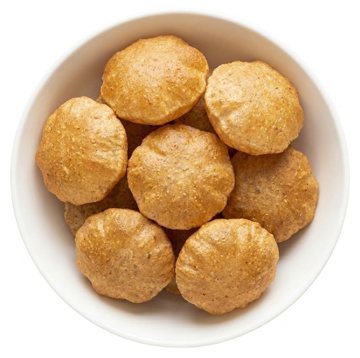
- Same: Puris and this dish are both Indian flatbreads made from a flour-and-water dough with salt and cooked with fat.
- Different: Puris uses wholemeal or chapatti flour, vegetable oil and water and is deep-fried, while this dish uses plain flour, yeast, baking powder, sugar, milk, Greek yoghurt, ghee, garlic and coriander and is pan-cooked and brushed with garlicky ghee.

- Same: Phulkas and this dish are both pan-cooked flatbreads made with flour, salt and ghee.
- Different: Unlike this dish, Phulkas has no yeast, sugar, baking powder, milk, yoghurt, garlic or coriander, uses chapatti flour instead of plain flour, and is cooked quickly on a hot griddle until it puffs.
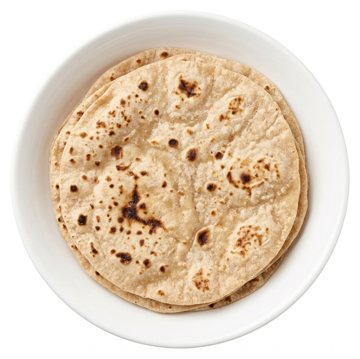
- Same: Chapati and this dish are both soft flatbreads made from flour, salt and water and cooked in a pan.
- Different: Chapati uses wholewheat or plain flour, water and vegetable oil, with no yeast, baking powder, milk, yoghurt, ghee, garlic or coriander, and it is cooked on a hot dry pan rather than brushed with garlicky ghee.
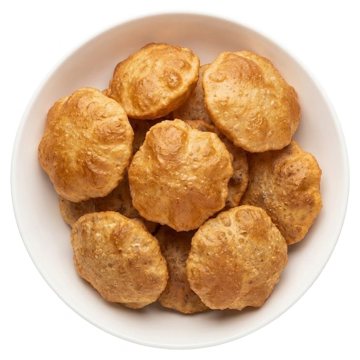
- Same: Puris and this dish are both savoury Indian wheat-flour breads made with salt and a fat.
- Different: Puris uses chapatti flour, vegetable oil and deep-frying, while this dish uses yeast, baking powder, milk, yoghurt, ghee, garlic and coriander and is pan-cooked.