Indian cooking
Indian cooking / Dishes / Dahi ke Kebab
Dahi ke Kebab (Yoghurt Patties)

Dahi ke Kebab

Yoghurt Patties
Vegetarian●●●Origin AwadhPrep 45 minutes, plus cooling timeCook 10–15 minutesMakes 16

These savoury pan-fried patties feature a spiced yoghurt and flour base packed with fresh ginger, chillies, and warm aromatics for a crisp exterior and soft interior.

ground spices

28 gMixed into the onion bowl (step 2)
01
8 g1 tablespoon
spice blend
02
9 g1 tablespoon
spice
03
12 g1½ tablespoons
spice
Stir together until evenly blended.

Everything else

03
125 g
vegetable
04
Green chilli · Hari Mirchde-seeded and chopped
6–12 g1–2 chillies
vegetable
05
1 g1 tablespoon
herb
06
Ginger · Adrakpeeled and chopped
24 g1 piece
aromatic
07
114 g125 ml
oil/fat
08
to taste
salt

Method

  1. Stir together 250 g yoghurt and 250 g flour in a mixing bowl, then press through a sieve into a clean bowl and reserve.
  2. In another bowl, mix 125 g onion, 6–12 g green chilli, 1 g coriander leaf, 24 g ginger, 1 tablespoon fenugreek, salt to taste, and the masala.
  3. Empty both bowls into a large pan set over medium heat and cook for 5–10 minutes, stirring constantly so the mixture does not catch on the bottom, until thoroughly thickened, then take off the heat to cool completely.
  4. Divide the cooled mixture into 16 equal portions, using moist hands to shape each portion into a smooth ball before pressing gently into a patty.
  5. Warm 114 g vegetable oil or ghee in a heavy-bottomed frying pan over medium-high heat.
  6. Fry the patties in batches for 3–4 minutes until crisp and golden brown, then lift them out with a slotted spoon.

Don't have something?

Hung yoghurt
  • Hung natural yoghurt

    Use the same weight. The names are used interchangeably; check seasoning.

  • Greek yoghurt

    Use the same weight. It is thick enough for marinades and raitas, with a slightly sharper taste.

  • Full-fat natural yoghurt

    Use about 175% of the weight and strain through muslin for 3–4 hours to get the same thick weight.

Plain flour
  • Whole wheat flour

    Use the same weight, add 10–15% more water and rest the dough for 20 minutes; the result is heavier and nuttier.

  • Rice flour

    Use the same weight for crisp coatings; for doughs use no more than half rice flour with wheat flour, or it will be crumbly.

  • Cornflour

    For thickening use half the weight, mixed with cold water; it is not suitable for bread or chapati dough.

Onion
  • Shallot

    Use equal weight, finely sliced. Shallots soften and brown faster, giving a slightly sweeter and more delicate base to curries.

  • Cabbage

    Use 80% of the weight, finely shredded and browned slowly with a pinch of asafoetida. Replicates the bulk and natural sweetness in gravies without allium.

Green chilli
  • Chilli powder

    Use 10 to 15% of the weight (about 1/4 teaspoon per chilli); imparts dry pungent heat and reddens the dish without the grassy crunch.

  • Dried red chilli

    Use 1 dried pod per fresh green chilli; snap in half and temper in hot oil for a deeper, toastier heat.

Coriander leaf
  • Coriander

    Use equal weight finely chopped; this is the exact same fresh herb.

  • Mint

    Use half the weight finely chopped; provides vibrant green freshness, though the flavour profile becomes noticeably cooler and sharper.

Ginger
  • Fresh ginger

    Use equal weight; scrape off the skin and grate or finely julienne according to the recipe.

  • Ginger paste

    Use equal weight; stir straight into the sizzling aromatics, taking care as the extra moisture may spit.

  • Ground ginger

    Use 15 to 20% of the weight; add alongside ground spices, noting it imparts warm, dry heat rather than zesty freshness.

Garam masala
  • Ground cumin

    Use 50% of the weight mixed with equal parts ground coriander and a pinch of ground cinnamon, ground cloves, and ground green cardamom. Sprinkle near the end for a warming finish.

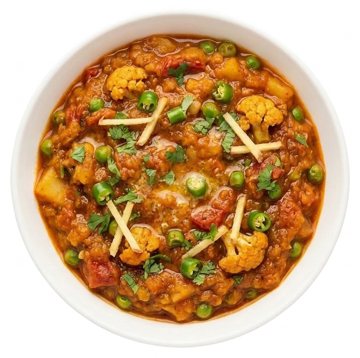
  • Lentil stew spice mix

    Use 75% of the weight. Simmer briefly in the gravy; imparts roasted warmth and complexity, though it adds a slight tang and earthy lentil undertone.

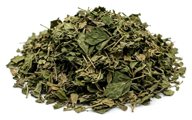
Ground dried fenugreek leaves
Ground turmeric
  • Ground ginger

    Use 50% of the weight. Mimics turmeric's warm, earthy, rhizome background, but provides none of the golden-yellow colour.

  • Saffron

    Steep a tiny pinch (0.1 g per 2 g turmeric) in 2 tbsp warm water; use to match the rich golden hue. Contributes an aristocratic, honeyed floral flavour rather than earthy bitterness.


Chilli powder
  • Red chilli powder

    Use 100% of the weight. Provides direct, sharp heat and red colour in equal measure.

  • Kashmiri chilli powder

    Use 150% to 200% of the weight if matching colour, but add a pinch of black pepper or hot chilli if you need equivalent fiery heat.

  • Cayenne pepper

    Use 75% to 100% of the weight. Offers a sharp, clean heat with slightly less earthy depth and less crimson colour.

Ghee or vegetable oil
  • Peanut oil

    Use equal weight; handles high tempering heat well and keeps flavours neutral.

  • Butter

    Use equal weight; cook over gentle heat to prevent browning the milk solids too quickly.

Similar dishes

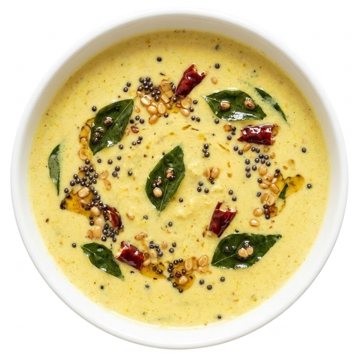
Mor Kozhambu
Buttermilk Curry
Mor Kozhambu is tangier, lighter, and pronounced with fresh coconut and curry leaves rather than warm, deeply spiced, and savory.
  • Same: Both dishes rely on a cultured dairy base seasoned with green chillies, ground turmeric, and vegetable oil.
  • Different: Instead of being shaped into pan-fried patties with onions, ginger, and garam masala, Mor Kozhambu is a simmered curry made with fresh coconut, curry leaves, and tempered mustard seeds and urad dal.
Chincheche Talwan
Fish & Tamarind Curry
Chincheche Talwan has a sharp, sour, and brothy profile driven by tamarind and lime juice, whereas this dish is richer, milder, and crisped from frying.
  • Same: Both dishes share vegetable oil and a spice base of ginger, green chillies, coriander leaves, garam masala, turmeric, and chilli powder.
  • Different: Instead of pan-frying vegetarian yoghurt patties with onion, Chincheche Talwan simmers fish in a sauce with garlic, tomatoes, tamarind extract, and lime juice.
Pao Bhaji
Mini Loaves with Tangy Vegetables
Pao Bhaji tastes tangy, buttery, and tomato-potato rich with lemon brightness, while this dish tastes creamy and yoghurt-sour with a crisp outside, soft inside, and fenugreek-garam masala warmth.
  • Same: Pao Bhaji shares with this dish onion, ginger, green chilli, coriander leaf, garam masala, turmeric, chilli powder, salt, and a fat such as ghee or vegetable oil.
  • Different: Pao Bhaji is a simmered mashed potato and tomato dish with lemon juice, butter, and pan-toasted pav, while this dish is a pan-fried patty made from hung yoghurt and plain flour with dried fenugreek leaves and no potato, tomato, lemon, butter, or pav.
Dahi Ke Kebab (Tandoori Home Cooking)
Spiced Yoghurt & Paneer Kebabs with Chilli, Ginger & Garam Masala
Dahi Ke Kebab tastes creamier from paneer and Greek yoghurt with light cumin-garam masala warmth, while this dish is more oniony and warmly spiced from turmeric, chilli powder and fenugreek.
  • Same: Dahi Ke Kebab and this dish are both pan-fried yoghurt-based patties with green chilli, ginger, coriander, garam masala, salt and oil.
  • Different: Dahi Ke Kebab adds grated paneer, Greek yoghurt, breadcrumbs and chickpea flour and uses cumin seed, while this dish uses hung yoghurt and plain flour with onion, turmeric, chilli powder and dried fenugreek leaves and fries in vegetable oil or ghee.