Indian cooking
Indian cooking / Dishes / Chutney ani Kelwatla Saranga
Chutney ani Kelwatla Saranga (Pomfret (Butterfish) with Green Masala Chutney & Bananas)

Chutney ani Kelwatla Saranga

Pomfret (Butterfish) with Green Masala Chutney & Bananas
Non-vegetarian●●●Origin CoastalPrep 30 minutes, plus marinating timeCook 20–25 minutes

A fragrant coastal fish curry of tender pomfret braised in a fresh coriander, mint, and green chilli chutney balanced by pan-fried banana. The sauce is bright, tart, and herbaceous with subtle sweetness and clean heat.

Fish marinade spice

6 gRubbed onto the scored fish with lime juice (step 1)
01
6 g2 teaspoons
spice
Keep as a dry powder ready to blend into the lime juice.

Everything else

01
1200 g4 fishes
fish
02
31 g2 tablespoons
souring agent
03
120 g1 banana
fruit
04
14 g1 tablespoon
oil/fat
05
to taste
salt
06
8 g8 tablespoons
herb
07
~4 g4 sprigs
herb
08
Green chilli · Hari Mirchslit in half lengthways and de-seeded
24–36 g4–6 chillies
vegetable

Method

  1. Remove the heads and fins from 4 pomfret, rinse them thoroughly, and pat dry with paper towels. Cut shallow slashes into both sides of each fish and set them in a wide dish. Stir the fish marinade spice into 30.6 g lime juice along with a pinch of salt to taste, rub this paste thoroughly over the fish, then cover and refrigerate for 20 minutes.
  2. Add 7.9 g coriander leaf, 4 g mint, and 24–36 g green chilli to a small blender with a splash of water, and process into a fine green paste.
  3. Peel 1 banana and slice it lengthways into quarters.
  4. Heat 13.5 g vegetable oil in a wide pan over medium heat. Fry the banana strips for about 2 minutes until lightly browned on all sides. Stir in the green chilli paste and cook for 2 minutes until aromatic.
  5. Lay the marinated fish into the pan and pour in 500 ml of water. Lower the heat, cover with a tight-fitting lid, and let it simmer for 15 to 20 minutes until the fish is fully cooked through and flakes easily.

Don't have something?

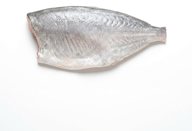
Pomfret
  • Pomfret or haddock fillet

    Use the same weight; fillets cook 3–5 minutes faster than whole fish, so add them later.

  • Whole firm white fish

    Use the same weight, score the fish and cook similarly; choose a similar-sized fish so it cooks evenly.

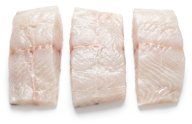
  • Firm white fish fillet

    Use the same weight and reduce simmering by about 5 minutes; it holds together less well than whole pomfret.

Ground turmeric
  • Ground ginger

    Use 50% of the weight. Mimics turmeric's warm, earthy, rhizome background, but provides none of the golden-yellow colour.

  • Saffron

    Steep a tiny pinch (0.1 g per 2 g turmeric) in 2 tbsp warm water; use to match the rich golden hue. Contributes an aristocratic, honeyed floral flavour rather than earthy bitterness.

Lime juice
  • Lemon juice

    Use equal volume or weight; slightly sweeter and less pungent, but otherwise an imperceptible swap.

  • Dried mango powder

    Use 25% of the weight; imparts dry, fruity sourness, best stirred in right at the end of cooking.

  • Tamarind extract

    Use 50% of the weight; delivers pleasant fruity tang but turns pale sauces considerably darker.

Banana
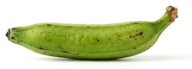
  • Plantain

    Use the same weight; peel and slice. Less sweet, so add a little sugar if the dish needs it, and cook a few minutes longer.

  • Ripe mango

    Use the same weight, mashed; sweeter and more fragrant, best for desserts or sweet drinks.

  • Canned mango pulp

    Use the same weight and reduce any added sugar; gives a soft, pouring texture rather than slices.

Vegetable oil
  • Peanut oil

    Use 1:1 by weight. Handles high-heat frying identically and introduces a very subtle, pleasant nuttiness.

  • Ghee

    Use 1:1 by weight. Yields a much richer, authentic aroma and a glossy, heavier mouthfeel.

  • Mustard oil

    Use 1:1 by weight. Heat until smoking, then cool slightly before cooking to temper its intensely pungent, sharp mustard kick.

Coriander leaf
  • Coriander

    Use equal weight finely chopped; this is the exact same fresh herb.

  • Mint

    Use half the weight finely chopped; provides vibrant green freshness, though the flavour profile becomes noticeably cooler and sharper.

Mint
  • Dried mint

    Use about 30% of the weight of fresh mint. Rub between your palms to crush before stirring in; the flavour will be more intensely herbal and less bright.


  • Coriander leaf

    Use equal weight, finely chopped. Adds fresh citrusy green notes, but lacks the cooling menthol lift.

Green chilli
  • Chilli powder

    Use 10 to 15% of the weight (about 1/4 teaspoon per chilli); imparts dry pungent heat and reddens the dish without the grassy crunch.

  • Dried red chilli

    Use 1 dried pod per fresh green chilli; snap in half and temper in hot oil for a deeper, toastier heat.

Similar dishes

Kothmiratil Machhi
Coriander (Cilantro)-flavoured Fried Fish
Kothmiratil Machhi delivers a more pungent, intensely herbal, and garlicky profile rather than the tart, minty, and subtly sweet taste of this braised dish.
  • Same: Both recipes prepare fish using a green masala paste made of fresh coriander leaf, green chillies, ground turmeric, lime juice, and vegetable oil.
  • Different: Kothmiratil Machhi is crisp-fried rather than braised into a curry, uses a vastly larger quantity of coriander alongside ginger, garlic, and sugar, and omits the bananas and mint found in this dish.
Goawali Machchali
Goan Fish Curry
Goawali Machchali tastes sharply pungent and warm from the mustard and ginger, whereas this dish is more herbaceous, tart, and balanced with mild sweetness.
  • Same: Both fish curries use fresh lime juice as their souring agent alongside green chillies and ground turmeric.
  • Different: Goawali Machchali relies on mustard powder, garlic, and a large amount of ginger, omitting the vegetable oil, fresh coriander, mint, and pan-fried bananas used in this dish.
Shai Dum ki Machhali
Baked Masala Fish
Shai Dum ki Machhali tastes richer, nuttier, and sweeter from fried onions, coconut, sesame, and poppy seed, with less of this dish’s bright lime-and-herb tartness.
  • Same: Shai Dum ki Machhali shares fish, turmeric, lime juice, coriander, mint, green chilli, and salt with this dish.
  • Different: Shai Dum ki Machhali is baked with 1,050 g onion, 241.5 g sesame oil, garlic and ginger pastes, cumin, dried coconut, sesame seed, and poppy seed, while this dish braises pomfret in a small amount of vegetable oil and includes banana.
Doi Maachh
Fish in Yoghurt Sauce
Doi Maachh tastes tangy from yogurt and pungent from mustard, with green chilli heat, whereas this dish is brighter, tart, and herbaceous from coriander, mint, and lime with subtle banana sweetness.
  • Same: Doi Maachh and this dish are both fish curries seasoned with turmeric and green chilli and cooked in a saucy style.
  • Different: Doi Maachh uses firm white fish fillet, yogurt as the souring agent, mustard oil, and yellow mustard seeds, while this dish uses pomfret, lime juice, vegetable oil, a coriander-mint-green chilli chutney, and pan-fried banana.