Indian cooking
Indian cooking / Dishes / Bengali Pantua
Bengali Pantua (Sweet Potato & Cardamom Dumplings in a Sticky Clove Syrup)

Bengali Pantua

Sweet Potato & Cardamom Dumplings in a Sticky Clove Syrup
VegetarianOrigin east of India

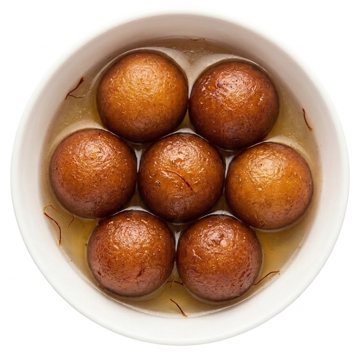
Sweet potato and milk-powder dumplings flavoured with cardamom, fried until golden and soaked in a clove-saffron sugar syrup. They are soft, sticky and fragrant, with a pistachio topping.

Cardamom for the dough

2 gMixed into the dumpling dough (step 3)
Keep ground and add it with the milk powder, flour and baking powder.

Clove and saffron for the syrup

0.7 gAdded to the syrup saucepan (step 5)
01
0.4 g5 cloves
spice
02
~0.3 gpinch
spice
Add them whole to the water and sugar as the syrup heats.

Everything else

03
23 g3 tablespoons
flour
04
2 g½ teaspoon
other
05
Vegetable oil · Telfor greasing and deep-frying
to taste
oil/fat
06
~30 ghandful
nut/seed
07
298 g300 ml
liquid
08
200 g
sweetener

Method

  1. Heat the oven to 200°C fan (425°F). Put 250 g sweet potato in a roasting tin and roast for 35–40 minutes, until tender.
  2. Cool the sweet potato completely, then scoop the flesh into a large bowl and discard the skin.
  3. Add the cardamom for the dough (2 g ground cardamom), 100 g milk powder, 23.4 g plain flour and 2 g baking powder. Mix gently to a slightly sticky dough.
  4. Cover the dough and chill for about 15 minutes.
  5. For the syrup, put 298 g water, 200 g caster sugar and the clove and saffron for the syrup (0.4 g clove, 0.3 g saffron) into a saucepan. Heat over medium heat and simmer for 20 minutes, until thickened. Keep warm.
  6. Heat vegetable oil in a small saucepan to about one-third full. Test with a small bread cube: it should sizzle and brown in 30 seconds.
  7. Oil your palms with vegetable oil. Shape the dough into 14 balls, each about half the size of a golf ball.
  8. Fry the balls in batches until golden brown. Lift onto paper towels to drain.
  9. Soak the fried dumplings in the warm syrup for at least 20 minutes.
  10. Spoon the pantua into bowls, drizzle with syrup, scatter over 30 g crushed pistachio and serve warm.

Don't have something?

Sweet potato
  • Potato

    Use the same weight, cut to the same size. It is less sweet and holds shape better; add a pinch of sugar if the recipe relies on sweetness.

  • Yam

    Use the same weight, peeled and cut to size; it is drier and starchier, so cook a little longer and add extra liquid if needed.

  • Pumpkin

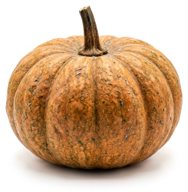
    Use the same weight, cut into chunks; it is softer and sweeter, so add it later and cook briefly to avoid collapsing.

Milk powder
  • Full cream milk

    Use 400 g milk for every 100 g milk powder; simmer down to the volume the recipe expects. It adds water, so reduce other liquid.

  • Milk solids

    Use the same weight, grated or crumbled; richer and sweeter. Reduce sugar and add before the dish is finished.

  • Condensed milk

    Use 50% of the weight; very sweet, so cut sugar by about the same amount and adjust liquid.

Plain flour
  • Whole wheat flour

    Use the same weight, add 10–15% more water and rest the dough for 20 minutes; the result is heavier and nuttier.

  • Rice flour

    Use the same weight for crisp coatings; for doughs use no more than half rice flour with wheat flour, or it will be crumbly.

  • Cornflour

    For thickening use half the weight, mixed with cold water; it is not suitable for bread or chapati dough.

Ground cardamom
  • Cardamom seed

    Grind the same weight; remove the pods first for a cleaner, stronger powder.

  • Green cardamom pod seed

    Grind the same weight of the seeds from green pods; discard the husks for the best flavour.

  • Ground green cardamom

    Use the same weight; it is the same spice and works directly.

Baking powder
  • Baking soda

    Use 25% of the baking powder's weight (e.g. 1 g for 4 g) and add 2 g cream of tartar or 1 tsp lime juice per 100 g flour. Mix quickly and bake at once.

  • Bicarbonate of soda

    Same as baking soda: use 25% of the weight with an acid such as cream of tartar, lemon juice or yogurt. Expect a slightly soapy taste if overused.

  • Self-raising flour

    Replace the plain flour plus baking powder with the same weight of self-raising flour; omit added baking powder and reduce salt slightly.

Vegetable oil
  • Peanut oil

    Use 1:1 by weight. Handles high-heat frying identically and introduces a very subtle, pleasant nuttiness.

  • Ghee

    Use 1:1 by weight. Yields a much richer, authentic aroma and a glossy, heavier mouthfeel.

  • Mustard oil

    Use 1:1 by weight. Heat until smoking, then cool slightly before cooking to temper its intensely pungent, sharp mustard kick.

Pistachio
  • Pistachio nut

    Use the same weight; blanch and peel for a brighter green paste. This is the closest match.

  • Almond

    Use the same weight; blanch and peel. It is firmer and less sweet, so grind a little longer.

  • Cashew nut

    Use the same weight; soak in hot water for 15 minutes for a smooth paste. It is sweeter and softer.

Water
  • Stock

    Use the same weight in savoury dishes; it adds body, so adjust salt.

  • Milk

    Use the same weight only in doughs or creamy dishes; it makes the result richer.

  • Coconut water

    Use the same weight in curries or rice; it adds sweetness and a faint coconut taste.

Caster sugar
  • Granulated sugar

    Use the same weight. It is slightly coarser, so stir a little longer to dissolve; in baking, grind briefly if a fine texture matters.

  • Demerara sugar

    Use the same weight, but dissolve it earlier as it is coarser. It adds a light caramel note and a little colour.

  • Ground jaggery or soft brown sugar

    Use the same weight; crush or grate jaggery first. It darkens the dish and adds molasses flavour, so reduce other liquid slightly.

Clove
  • Ground cloves

    Use 1 g ground for 4 g whole (or 1 small pinch per 2 to 3 whole cloves). Add with spice powders; disperses intense warmth quickly, so use with restraint.

  • Allspice berries

    Use 100% of the weight whole in tempering. Imparts a warm, clove-like aromatic profile combined with hints of nutmeg and cinnamon.

  • Black cardamom pod

    Use 1 pod for 3 to 4 cloves in whole tempering. Shares a camphor-like warmth and medicinal depth, though it introduces a distinct smoky undertone.

Saffron
  • Ground turmeric

    Use 15% of the saffron's weight. Replicates the bright yellow colour well, but lacks the floral, earthy depth; use sparingly to avoid bitterness.

  • Screwpine water or rosewater

    Use a few drops combined with a tiny pinch of ground turmeric to mimic both the regal floral aroma and the golden hue.

Similar dishes

Sheermal (Tandoori Home Cooking)
Saffron-Infused Milk Bread with Cardamom & Rose Water
Sheermal is soft and only lightly sweet with rose-water and saffron notes, whereas this dish is sticky, syrup-heavy and cardamom-forward.
  • Same: Sheermal shares cardamom and saffron with this dish, and both use plain flour.
  • Different: Sheermal is a yeast-leavened milk bread enriched with butter or ghee and rose water, while this dish is fried sweet-potato and milk-powder dumplings soaked in clove-saffron sugar syrup.
Gulab Jamun
Khoya Bonbons in Syrup
Gulab Jamun tastes dairy-rich and floral from rosewater, while this dish tastes more earthy from sweet potato with a clove-forward syrup.
  • Same: Gulab Jamun and this dish are both fried dumplings soaked in a saffron sugar syrup and topped with pistachio.
  • Different: Gulab Jamun is made from khoya and chhena with rosewater, ghee, cardamom seed and lime juice, while this dish uses sweet potato and milk powder with clove and ground cardamom in the syrup.
Cheat’s Ras Malai
Milk Dumplings in Sweet Saffron and Cream Syrup
It tastes creamy, sweet, and gently aromatic from saffron-cardamom milk, whereas this dish is soft, sticky, and fragrant from fried dumplings in clove syrup.
  • Same: Cheat’s Ras Malai shares milk-powder dumplings, cardamom, saffron, and a pistachio topping with this dish.
  • Different: It uses full-fat milk, condensed milk, egg, and butter and is chilled in reduced saffron-cardamom milk, while this dish uses sweet potato and flour, fries the dumplings, and soaks them in clove-saffron sugar syrup.
Masala Milkshake
Spicy Milkshake
Masala Milkshake tastes creamy, cold, lightly sweet, and floral-spiced, while this dish is soft, sticky, fried, and syrup-heavy with clove and cardamom.
  • Same: Masala Milkshake shares cardamom, saffron, pistachio, and sugar with this dish.
  • Different: Masala Milkshake is a chilled milk drink with almonds and rosewater, while this dish is fried sweet-potato and milk-powder dumplings soaked in clove syrup.