Indian cooking
Indian cooking / Dishes / Aloo ka Paratha
Aloo ka Paratha (Shallow-fried Spicy Potato Stuffed Bread)

Aloo ka Paratha

Shallow-fried Spicy Potato Stuffed Bread
Vegetarian●●●Origin Punjab/Delhi/AwadhPrep 1 hourCook 30 minutesMakes 4–5

A classic North Indian flatbread filled with seasoned, mashed potatoes and shallow-fried until crisp and golden. It delivers a rich, comforting bite with a gentle warmth and tang from fresh chillies and spices.

Filling spice

2.6 gMixed into the potato filling (step 2)
01
2.6 g1 teaspoon
spice
Stir directly into the filling mixture.

Everything else

01
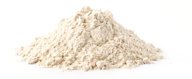
Wholemeal flour · Attaplus extra for dusting
500 g
flour
02
~0.3 gpinch
salt
03
200 g
oil/fat
04
250 g
vegetable
05
9 g1½ tablespoons
aromatic
06
Green chilli · Hari Mirchde-seeded and choppped
36 g6 chillies
vegetable
07
~1 g1 sprig
herb
08
to taste
salt
10
to taste
dairy

Method

  1. Place 250 g unpeeled potato into a pot of boiling water and cook for roughly 20 minutes until completely tender. Drain, leave to cool, peel away the skins, and mash the flesh thoroughly.
  2. Transfer the mashed potato to a bowl. Add 9 g chopped fresh ginger, 36 g chopped green chilli, 1 g chopped fresh coriander, 1 tablespoon pomegranate seeds, the filling spice, and salt to taste. Mix evenly, then set aside.
  3. Combine 500 g flour and 0.3 g salt in a wide bowl, then mix in enough water to form a soft dough. Transfer to a lightly floured surface and knead for 5 minutes until smooth.
  4. Divide the dough into 8 to 10 equal portions and shape each into a ball. Roll each ball on a floured surface into a 15 cm (6 inch) round. Spread a portion of the potato filling over half the rounds, cover each with a remaining round, crimp the edges closed, and gently roll out to an 18 cm (7 inch) circle.
  5. Warm a tawa or heavy skillet over medium heat. Dry-cook each paratha for 20 seconds, turning once so both faces par-bake, then remove from the pan.
  6. Heat a portion of the 200 g ghee in the pan over medium heat. Shallow-fry each paratha until browned and crisp on both sides, replenishing ghee as necessary. Serve warm with yogurt and Gurh Keri pickle.

Don't have something?

Wholemeal flour
  • Whole wheat flour

    Use the same weight; it is almost the same, though slightly finer, so add water gradually.

  • Plain flour

    Use the same weight but reduce water by about 10%; the result is lighter and less nutty.

  • Flour

    Use the same weight as plain flour; reduce water slightly and expect less bran and colour.

Ghee
  • Unsalted butter

    Use 120% of the weight; melt gently over low heat to avoid burning the milk solids, which will yield a softer, creamier richness rather than a nutty aroma.

  • Vegetable oil

    Use 85% of the weight; holds high cooking temperatures without smoking, but the final dish will lack traditional dairy depth.

  • Mustard oil

    Use equal weight; heat to smoking point and cool slightly before cooking, bearing in mind it introduces an assertive, pungent edge.

Potato
  • Eggplant

    Use equal weight. Cut into large chunks; cooks down much faster (10-12 minutes) and softens into the sauce rather than staying starchy and firm.

  • Paneer

    Use 80% of the weight. Cube and add in the last 5-10 minutes of cooking; adds rich dairy protein instead of starchy bulk.

  • Dried chickpea

    Use 45% dry weight. Soak overnight and boil until fully soft before stirring into the sauce to simmer for 10 minutes.

Fresh ginger
  • Ginger paste

    Use equal weight. Sauté in hot fat until the raw allium smell disappears; slightly wetter, but provides identical warmth and pungency.

  • Ground ginger

    Use 20% to 25% of the weight (1 g for every 4 to 5 g fresh). Stir into the gravy; adds peppery heat and warmth, though it misses the crisp, zesty kick of raw root.


Green chilli
  • Chilli powder

    Use 10 to 15% of the weight (about 1/4 teaspoon per chilli); imparts dry pungent heat and reddens the dish without the grassy crunch.

  • Dried red chilli

    Use 1 dried pod per fresh green chilli; snap in half and temper in hot oil for a deeper, toastier heat.

Coriander
  • Coriander leaf

    Use equal weight, chopped fresh and stirred in off the heat or used as garnish. Matches the citrus-herbal profile identically.

  • Mint

    Use 40% to 50% of the weight; chop finely and add at the very end. Adds fresh herbal brightness, but shifts the aroma toward cool menthol.

Dried pomegranate seed
Chilli powder
  • Red chilli powder

    Use 100% of the weight. Provides direct, sharp heat and red colour in equal measure.

  • Kashmiri chilli powder

    Use 150% to 200% of the weight if matching colour, but add a pinch of black pepper or hot chilli if you need equivalent fiery heat.

  • Cayenne pepper

    Use 75% to 100% of the weight. Offers a sharp, clean heat with slightly less earthy depth and less crimson colour.

Mango pickle with jaggery
  • Mango pickle

    Use 80% of the weight, then stir in 20 g jaggery melted for every 100 g; it will be sharper and less sweet.

  • Mixed pickle

    Use 80% of the weight with 20 g melted jaggery per 100 g; the vegetable pieces change but the sweet-sour balance works.

  • Mango chutney

    Use the same weight; much sweeter and less oily, so use only where a sweet-sour note is wanted.

Yogurt
  • Plain yogurt

    Use 100% of the weight. Whisk thoroughly until smooth before stirring into warm gravies to prevent curdling.

  • Single cream

    Use 90% of the weight combined with 10% lemon juice to replicate the lactic tang and rich body in marinades and curries.

Similar dishes

Palak Paratha
Spinach Paratha
Palak Paratha tastes brighter and more spinach-forward, with butter richness and less chilli heat than this dish’s rich potato filling.
  • Same: Palak Paratha shares wholemeal flour, green chilli, dried pomegranate seeds, and a mango pickle-and-yogurt serving with this dish.
  • Different: Palak Paratha puts spinach in the dough and shallow-fries in butter, while this dish stuffs mashed potato and uses ghee, ginger, coriander, chilli powder, and jaggery mango pickle.
Aloo Tamatar ka Chokha
Mashed Potato & Tomato
Aloo Tamatar ka Chokha tastes smoky and sharply tangy from charred tomatoes and pungent mustard oil, while this dish tastes crisp, ghee-rich, and gently warm with tang from chillies and pomegranate seeds.
  • Same: Aloo Tamatar ka Chokha shares potato, green chilli, ginger, coriander, chilli powder, and salt with this dish, and both use mashed seasoned potato.
  • Different: Aloo Tamatar ka Chokha adds 480 g tomato and cumin seed and uses mustard oil plus vegetable oil, while this dish uses wholemeal flour, ghee, dried pomegranate seeds, and mango pickle with jaggery and is a stuffed shallow-fried bread rather than a mash.
Aloo ke Kebab
Potato Kebabs
It tastes more citrusy and earthy from the lemon juice and cumin, without the buttery richness of ghee and sharp ginger warmth of this dish.
  • Same: Aloo ke Kebab also relies on a mashed potato base seasoned with green chillies and chilli powder that is cooked by shallow-frying.
  • Different: Instead of encasing the filling inside a flatbread fried in ghee, it binds the potatoes with chickpea flour, seasons them with cumin, coriander leaf, and lemon juice, and fries them directly in vegetable oil.
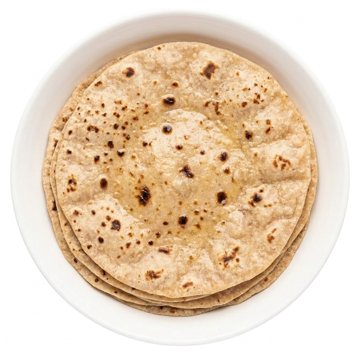
Chapaati
Chapati
Chapaati tastes plainly of nutty wheat and is soft and pliable, while this dish is spicy, tangy, and crisp from its potato filling and shallow-frying.
  • Same: Both are unleavened wholemeal-flour flatbreads made with salt and ghee or butter.
  • Different: Chapaati has only wholemeal flour, salt, and ghee or butter, with no potato, green chilli, ginger, coriander, pomegranate seeds, chilli powder, mango pickle, or yogurt, and it is cooked dry on a griddle rather than stuffed and shallow-fried.