
Thair Saadam
A cooling South Indian rice dish bound with creamy dairy and punctuated by fresh aromatics. It offers a gentle, tangy taste with a warm pop of mustard, ginger, and green chilli.
Tempering seeds
3.3 gFried in the hot oil (step 2)Everything else

Method
- Transfer 400 g plain boiled rice to a wide serving vessel. Rub 2.5–3 g curry leaf between your fingers with salt (to taste) to release their aroma, then toss into the rice along with 259 g yogurt and 259 g milk. Stir thoroughly to combine.
- Warm 9 g vegetable oil in a skillet set to medium heat. Add the tempering seeds and toss for roughly 1 minute until the seeds crackle and pop.
- Drop 12–18 g green chilli and 4.8 g ginger into the fragrant oil and cook for a few seconds. Tip the spiced oil and aromatics over the rice mixture, folding everything together until evenly distributed.
Don't have something?


 Steamed rice
Use equal weight. Fluff with a fork before serving; absorbs curries and dals in identical fashion.
 Basmati rice
Cook 40% of the required boiled weight in raw basmati rice using 2 parts water to 1 part rice. Gives longer, more aromatic, separate grains.


 Bay leaf
Fry 1 bay leaf for every 5 curry leaves in hot oil; imparts a warm, woodsy background note, but misses the citrus-sulphury punch entirely.
 Lime juice
Add a small squeeze (about 5 ml per sprig of curry leaves) right before serving; provides sharp citrus top notes without the toasty, herbal aroma.


 Plain yogurt
Use 100% of the weight. Whisk thoroughly until smooth before stirring into warm gravies to prevent curdling.
 Single cream
Use 90% of the weight combined with 10% lemon juice to replicate the lactic tang and rich body in marinades and curries.


 Whole milk
Use equal weight; provides the standard rich dairy fat and body expected in creamy Indian bases.
- Single cream
Dilute 3 parts cream with 1 part water to match the weight; yields a richer, glossier gravy that resists curdling.
- Plain yogurt
Whisk thoroughly and use equal weight; adds extra body and a mild pleasant acidity, best added off the heat.


 Peanut oil
Use 1:1 by weight. Handles high-heat frying identically and introduces a very subtle, pleasant nuttiness.
 Ghee
Use 1:1 by weight. Yields a much richer, authentic aroma and a glossy, heavier mouthfeel.
 Mustard oil
Use 1:1 by weight. Heat until smoking, then cool slightly before cooking to temper its intensely pungent, sharp mustard kick.


 Black mustard seed
Use the same weight. The seeds are smaller and hotter; fry in hot oil until they pop, about 20–30 seconds, and reduce the heat if they darken too fast. The dish will be a little sharper.
 Yellow mustard seeds
Use the same weight. They are milder and larger; fry a few seconds longer until they pop. The finished dish will have less pungency.
 Ground mustard seed
Use 70% of the weight of whole seed, added with the other ground spices rather than fried whole. You lose the popping texture and the heat comes through more evenly.


 Chilli powder
Use 10 to 15% of the weight (about 1/4 teaspoon per chilli); imparts dry pungent heat and reddens the dish without the grassy crunch.
 Dried red chilli
Use 1 dried pod per fresh green chilli; snap in half and temper in hot oil for a deeper, toastier heat.


 Fresh ginger
Use equal weight; scrape off the skin and grate or finely julienne according to the recipe.
 Ginger paste
Use equal weight; stir straight into the sizzling aromatics, taking care as the extra moisture may spit.
 Ground ginger
Use 15 to 20% of the weight; add alongside ground spices, noting it imparts warm, dry heat rather than zesty freshness.


Similar dishes
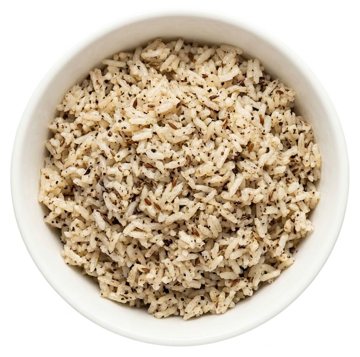
- Same: Like this dish, Molagu Saadam is built on a base of plain boiled rice seasoned with whole spices.
- Different: Molagu Saadam uses ghee instead of vegetable oil and is seasoned solely with black peppercorns and cumin seeds, completely omitting the yogurt, milk, ginger, green chillies, and curry leaves.

- Same: Moru Kalli also combines rice and tangy yoghurt tempered with mustard seeds, curry leaves, and green chillies.
- Different: Instead of whole boiled rice mixed with milk and ginger, Moru Kalli is cooked into a savoury cake using rice flour and adds urad dal, dried red chillies, and asafoetida.

- Same: Puli Bongaralu shares with this dish South Indian rice use, green chilli, ginger, curry leaf, mustard seed, vegetable oil, and salt.
- Different: Puli Bongaralu uses rice flour, urad dal, chana dal, onion, dried red chilli, and asafoetida to make fried patties, while this dish uses boiled rice bound with yogurt and milk and has no lentils or frying dough.

- Same: Akki Roti also relies on rice as its core grain and shares the heat of green chillies and ginger.
- Different: Instead of mixing boiled rice with yoghurt and milk, Akki Roti is a griddled flatbread made with rice flour, onions, coconut, and ghee, omitting mustard seeds and curry leaves.