Indian cooking
Indian cooking / Dishes / Puli Bongaralu
Puli Bongaralu (Rice Flour & Lentil Snacks)

Puli Bongaralu

Rice Flour & Lentil Snacks
Vegetarian●●●Origin Andhra PradeshPrep 30–40 minutes, plus standing and soaking timeCook 20 minutesMakes 30–35

These savoury South Indian patties are made from a fermented-style rice flour and lentil dough studded with onions, chillies, and fried spices. They fry up crisp on the exterior with a dense, hearty bite.

Tempering spices

3.9 gFried with urad dal for the seasoning (step 3)
01
1.6 g½ teaspoon
spice
03
~0.3 gpinch
spice
Keep whole: they go into the hot oil together.

Everything else

02
Chana dalrinsed and drained
13 g1 tablespoon
legume
03
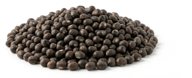
Black gram · Urad Dalrinsed and drained
200 g
legume
04
0.5 g2 leaves
herb
05
Onion · Pyazfinely sliced
300 g2 onions
vegetable
06
Green chilli · Hari Mirchde-seeded and chopped
12 g2 chillies
vegetable
07
2.5 g1 teaspoon
aromatic
08
Vegetable oil · Telfor deep-frying
to taste
oil/fat
09
to taste
salt
10
14 g1 tablespoon
oil/fat
11
Black gram · Urad Dalrinsed and drained
2.1 g½ teaspoon
legume

Method

  1. Place 150 g of the 300 g rice flour into a saucepan with 1 tbsp water. Bring to a boil, take off the heat, and mix in the remaining 150 g rice flour. Set aside to rest for 24 hours.
  2. Soak 200 g urad dal in water for 4 hours, and soak 12.6 g chana dal separately for 1 hour. Drain both thoroughly. Grind the urad dal in a food processor into a fine, smooth paste.
  3. Transfer the urad dal paste to a mixing bowl and blend in the rested rice flour, 0.5 g curry leaf, 300 g onion, 12 g green chilli, 2.5 g ginger, and salt to taste. Fold in the soaked chana dal.
  4. Heat 13.5 g vegetable oil in a small pan. Add the tempering spices and 2.1 g urad dal, frying for about 1 minute until dark brown. Pour this hot mixture into the dough, stir thoroughly, and shape into discs roughly 5 cm (2 inches) across and 2 cm (¾ inch) thick.
  5. Heat vegetable oil for deep-frying in a deep pan to 180°C (350°F). Fry the patties in batches for 2 to 3 minutes until deep golden brown. Lift them out with a slotted spoon, drain on kitchen paper, and let them cool completely.

Don't have something?

Rice flour
  • Cornflour

    Use about 60–70% of the weight for thickening; for coatings use the same weight but the crust is denser.

  • Plain flour

    Use the same weight for coatings; contains gluten, browns faster and is less crisp.

  • Fine semolina

    Use the same weight for crisp coatings; coarser texture and needs a short rest.

Chana dal
  • Yellow split peas

    Use 100% of the weight. Soak for at least 1 hour; takes about 10 minutes longer to cook through and has a marginally earthier flavour.

  • Pigeon peas

    Use 100% of the weight. Reduces cooking time by about 10 minutes and breaks down softer, giving a smoother consistency rather than distinct grains.

  • Black gram

    For tempering or tadka only: use 70% of the weight. Browns faster in hot oil, providing a nutty, crunchy bite.

Urad dal
  • Whole black gram

    Use equal weight. Needs longer soaking and cooking; the dark skins impart an earthy flavour and greyish-black hue unless thoroughly rubbed off.

  • Chana dal

    Use equal weight when tempering (tadka). Provides a comparable nutty, crunchy texture in hot oil, though grains are slightly larger.

  • Split mung beans

    Use equal weight for batters or dals. Ferments and cooks faster, producing a lighter, less sticky, and less viscous consistency.

Curry leaf
  • Bay leaf

    Fry 1 bay leaf for every 5 curry leaves in hot oil; imparts a warm, woodsy background note, but misses the citrus-sulphury punch entirely.

  • Lime juice

    Add a small squeeze (about 5 ml per sprig of curry leaves) right before serving; provides sharp citrus top notes without the toasty, herbal aroma.

Onion
  • Shallot

    Use equal weight, finely sliced. Shallots soften and brown faster, giving a slightly sweeter and more delicate base to curries.

  • Cabbage

    Use 80% of the weight, finely shredded and browned slowly with a pinch of asafoetida. Replicates the bulk and natural sweetness in gravies without allium.

Green chilli
  • Chilli powder

    Use 10 to 15% of the weight (about 1/4 teaspoon per chilli); imparts dry pungent heat and reddens the dish without the grassy crunch.

  • Dried red chilli

    Use 1 dried pod per fresh green chilli; snap in half and temper in hot oil for a deeper, toastier heat.

Ginger
  • Fresh ginger

    Use equal weight; scrape off the skin and grate or finely julienne according to the recipe.

  • Ginger paste

    Use equal weight; stir straight into the sizzling aromatics, taking care as the extra moisture may spit.

  • Ground ginger

    Use 15 to 20% of the weight; add alongside ground spices, noting it imparts warm, dry heat rather than zesty freshness.

Vegetable oil
  • Peanut oil

    Use 1:1 by weight. Handles high-heat frying identically and introduces a very subtle, pleasant nuttiness.

  • Ghee

    Use 1:1 by weight. Yields a much richer, authentic aroma and a glossy, heavier mouthfeel.

  • Mustard oil

    Use 1:1 by weight. Heat until smoking, then cool slightly before cooking to temper its intensely pungent, sharp mustard kick.

Mustard seed
  • Black mustard seed

    Use the same weight. The seeds are smaller and hotter; fry in hot oil until they pop, about 20–30 seconds, and reduce the heat if they darken too fast. The dish will be a little sharper.

  • Yellow mustard seeds

    Use the same weight. They are milder and larger; fry a few seconds longer until they pop. The finished dish will have less pungency.

  • Ground mustard seed

    Use 70% of the weight of whole seed, added with the other ground spices rather than fried whole. You lose the popping texture and the heat comes through more evenly.


Dried red chilli
  • Dried kashmiri chilli

    Use equal weight whole. Fry in hot oil or ghee as tempered spice; gives a richer red colour with slightly milder heat.

  • Red chilli powder

    Use 50% to 70% of the weight. Stir into the oil with ground spices; distributes heat evenly throughout the dish without whole chilli skins.

Asafoetida
  • Garlic powder

    Use double the weight. Stir into hot oil just before adding wet ingredients; mimics the allium savoury background without the sulphurous edge.

  • Garlic paste

    Use 2 g for every 0.5 g of asafoetida. Sauté in oil until the raw smell clears; adds moisture and sweet allium depth.

Similar dishes

Masala Idli
Spicy Steamed Rice Dumplings
Masala Idli has a softer, pillowy texture with sweet, nutty notes of coconut and fresh herbs, whereas this dish is crisp, dense, and savoury with fried onions.
  • Same: Both dishes are made from a fermented rice and urad dal base seasoned with tempered mustard seeds, chana dal, green chillies, ginger, curry leaves, and asafoetida.
  • Different: Masala Idli is steamed rather than fried, adds fresh coconut, cumin seeds, and coriander leaf, and omits the onions and dried red chillies used in this dish.
Moru Kalli
Yoghurt & Rice Flour Savoury
It tastes tangy from yoghurt and softer, while this dish is crisp outside and dense with fried spice and onion.
  • Same: Moru Kalli shares rice flour, urad dal, mustard seed, dried red chilli, asafoetida and curry leaf with this dish.
  • Different: It uses sour yoghurt and sesame oil instead of onion, ginger and vegetable oil, and it is a soft cooked cake rather than a fried patty.
Pongal
Pepper-flavoured Porridge
Pongal is rich, buttery, and warm with black pepper, lacking the crisp texture and sharp heat from the fresh onions, ginger, and green chillies in this dish.
  • Same: Both dishes combine rice and lentils seasoned with a tempering of mustard seeds, dried red chillies, curry leaves, and asafoetida.
  • Different: Pongal is boiled into a soft porridge using basmati rice, moong dal, and ghee with black peppercorns, rather than being fried in vegetable oil from an urad dal base with onions, ginger, and green chillies.
Masala Siyam
Fried Rice & Black Lentil Dumplings
Masala Siyam tastes milder and more coconutty and herbal than this dish, which is hotter from green and dried chillies and more savoury from asafoetida.
  • Same: Masala Siyam shares deep-frying, urad dal, onion, mustard seed, curry leaf, salt, and vegetable oil with this dish.
  • Different: Masala Siyam uses basmati rice, fresh coconut, and coriander leaf and lacks this dish's rice flour, chana dal, green chilli, ginger, dried red chilli, and asafoetida.