Indian cooking
Indian cooking / Dishes / Singhare ka Salan
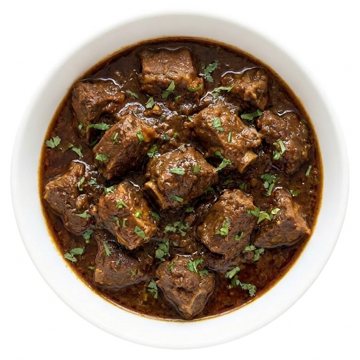
Singhare ka Salan (Lamb Curry with Water Chestnuts)

Singhare ka Salan

Lamb Curry with Water Chestnuts
Non-vegetarian●●●Origin AwadhPrep 45 minutesCook 1½–2 hours

A fragrant, slow-simmered lamb curry featuring tender meat enveloped in a rich onion and tomato gravy, balanced by the crisp bite of fresh water chestnuts.

Marinade spices

16 gMixed with the lamb (step 1)
Blend the dried chilli with a splash of water into a paste, then combine with the ginger and garlic pastes.

Ground turmeric

0.8 gAdded to the browned onions (step 3)
01
0.8 g¼ teaspoon
spice
Keep ready to stir directly into the pan.

Everything else

01
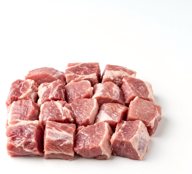
Lamb · Goshtcut into 4-cm / 1½-inch cubes
500 g
meat
03
Onion · Pyazthinly sliced
300 g2 onions
vegetable
04
Green chilli · Hari Mirchslit in half lengthways and de-seeded
24–36 g4–6 chillies
vegetable
05
2 g8 leaves
herb
06
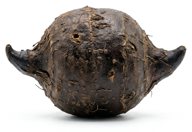
Green water chestnut · Singharapeeled and cut in half
120 g
vegetable
07
360 g3 tomatoes
vegetable
08
~200 g2 bunchs
herb
09
to taste
salt

Method

  1. Place 500 g lamb in a bowl, add the marinade spices and salt to taste, and mix thoroughly until the meat is evenly coated.
  2. Heat 125 g ghee or vegetable oil in a heavy-based pan set over medium heat, then fry 300 g onion for 5–7 minutes until golden brown.
  3. Add the ground turmeric, stir briefly, then tip in the marinated lamb and fry for roughly 5 minutes until well browned.
  4. Pour in 750 ml water, then add 24–36 g green chilli and 2 g curry leaf. Turn the heat down to low, cover, and simmer gently for 1 to 1½ hours until the lamb is fully tender, topping up with water if the sauce reduces too much.
  5. Stir in 120 g water chestnuts and 360 g tomato, frying for 1–2 minutes. Add 200 g coriander leaf along with 180 ml water, then cook over medium-high heat for 5 minutes until the water chestnuts have softened slightly.

Don't have something?

Dried red chilli
  • Dried kashmiri chilli

    Use equal weight whole. Fry in hot oil or ghee as tempered spice; gives a richer red colour with slightly milder heat.

  • Red chilli powder

    Use 50% to 70% of the weight. Stir into the oil with ground spices; distributes heat evenly throughout the dish without whole chilli skins.

Lamb
  • Pork

    Use equal weight of pork shoulder or collar; cut into identical cubes and braise, reducing cooking time by 15-20 minutes.

  • Chicken

    Use equal weight of bone-in chicken thighs; curry simmers in roughly 25 minutes instead of over an hour, with a much lighter sauce.

Ginger paste
  • Fresh ginger

    Use equal weight; peel and grate very finely on a microplane or pound to a fine paste in a mortar.

  • Ginger

    Use equal weight; mince finely and crush with the flat of a knife before frying.

  • Ground ginger

    Use 20% of the weight; add directly with the dry spice powders, though it yields an earthier, less pungent profile.

Garlic paste
  • Garlic

    Use equal weight; crush or finely grate to a smooth pulp to replicate the same fresh, pungent moisture in your base gravy.

  • Garlic powder

    Use 20 to 25% of the weight; mix with a teaspoon of water before adding to oil so it does not burn, noting it lacks the fresh bite.

Ghee or vegetable oil
  • Peanut oil

    Use equal weight; handles high tempering heat well and keeps flavours neutral.

  • Butter

    Use equal weight; cook over gentle heat to prevent browning the milk solids too quickly.

Onion
  • Shallot

    Use equal weight, finely sliced. Shallots soften and brown faster, giving a slightly sweeter and more delicate base to curries.

  • Cabbage

    Use 80% of the weight, finely shredded and browned slowly with a pinch of asafoetida. Replicates the bulk and natural sweetness in gravies without allium.

Ground turmeric
  • Ground ginger

    Use 50% of the weight. Mimics turmeric's warm, earthy, rhizome background, but provides none of the golden-yellow colour.

  • Saffron

    Steep a tiny pinch (0.1 g per 2 g turmeric) in 2 tbsp warm water; use to match the rich golden hue. Contributes an aristocratic, honeyed floral flavour rather than earthy bitterness.

Green chilli
  • Chilli powder

    Use 10 to 15% of the weight (about 1/4 teaspoon per chilli); imparts dry pungent heat and reddens the dish without the grassy crunch.

  • Dried red chilli

    Use 1 dried pod per fresh green chilli; snap in half and temper in hot oil for a deeper, toastier heat.

Curry leaf
  • Bay leaf

    Fry 1 bay leaf for every 5 curry leaves in hot oil; imparts a warm, woodsy background note, but misses the citrus-sulphury punch entirely.

  • Lime juice

    Add a small squeeze (about 5 ml per sprig of curry leaves) right before serving; provides sharp citrus top notes without the toasty, herbal aroma.

Green water chestnut
  • Water chestnut

    Use the same weight; peel and slice. If using canned, drain and rinse well.

  • Bamboo shoot

    Use the same weight, sliced and blanched; it gives a similar crunch but a more woody flavour.

  • Chayote

    Use the same weight, diced; it is softer and milder, so add it later in cooking.

Tomato
  • Tomato purée

    Use 40% to 50% of the fresh tomato weight mixed with a splash of water. Imparts a deeper red colour, thicker sauce, and slightly sweeter cooked flavour.

  • Plain yogurt

    Use 60% of the weight, whisked smooth and added on low heat. Provides rich body and sourness, though the gravy becomes paler and creamier.

Coriander leaf
  • Coriander

    Use equal weight finely chopped; this is the exact same fresh herb.

  • Mint

    Use half the weight finely chopped; provides vibrant green freshness, though the flavour profile becomes noticeably cooler and sharper.

Similar dishes

Chippa Gosht
Lamb Cooked in a Clay Pot
Chippa Gosht delivers a sharper, citrus-driven acidity with earthy notes from the clay pot, lacking the thick, sweet-and-savory tomato-onion richness of this dish.
  • Same: Both recipes slow-cook lamb seasoned with garlic paste, ginger paste, ground turmeric, and coriander leaf.
  • Different: Chippa Gosht is cooked in a clay pot and uses lemon juice and chilli powder, but it completely omits the onions, tomatoes, green chillies, and curry leaves found in this dish.
Bhuna Keema
Roasted Minced (Ground) Lamb
Bhuna Keema tastes more intensely roasted, savoury, and sharp with citrus, lacking the saucy tomato flavour of this dish.
  • Same: Bhuna Keema also features lamb cooked with onions, ginger and garlic pastes, turmeric, green chillies, and fresh coriander.
  • Different: Instead of simmering lamb pieces in a tomato and curry leaf gravy, Bhuna Keema dry-fries minced lamb with mint, chilli powder, and lemon juice.
Chingur ka Salan
Lamb with Tender Tamarind Leaves & Flowers
It tastes noticeably sharper, tart, and herbal from the tamarind leaves, unlike the richer, tomato-led profile of this dish.
  • Same: Chingur ka Salan also braises lamb with onions, green chillies, ginger, garlic, turmeric, curry leaves, and dried red chillies.
  • Different: It incorporates sour tamarind leaves, cumin, and a mustard-seed tempering, while omitting the tomatoes, coriander leaves, and heavy cooking fat of this dish.
Masaledar Mutton
Lamb Masala
Masaledar Mutton tastes more spice-forward from garam masala, cumin and chilli powder, with a thicker concentrated onion-tomato sauce and no crisp water chestnut bite or curry-leaf aroma.
  • Same: Masaledar Mutton shares with this dish a slow-cooked lamb base, onion and tomato gravy, ghee, ginger paste, garlic paste, turmeric, green chilli and salt.
  • Different: Masaledar Mutton lacks this dish's water chestnuts, curry leaves, dried red chilli and coriander leaf, and it adds bay leaf, chilli powder, garam masala, ground coriander, ground cumin and fresh ginger while using more onion and less tomato and total fat.