
Red Chilli Coconut Chutney
A creamy South Indian-style coconut chutney made with shallot, ginger, garlic and tamarind, finished with a mustard-seed and chilli tadka. It tastes tangy, rich and gently spicy.
Tadka spices
4.7 gAdded to the hot oil (step 2)Everything else

Method
- Blend 150 g coconut, 30 g shallot, 6 g fresh ginger, 3 g garlic, 12 g tamarind paste, a few of the 5 g curry leaves and salt to taste with 50 ml water until smooth. Transfer the chutney to a bowl.
- Heat 13.5 g vegetable oil in a frying pan over low heat. Add the tadka spices: 3.5 g black mustard seed first, then 1.2 g kashmiri chilli powder once the seeds splutter, and turn off the heat.
- Add the rest of the 5 g curry leaves to the pan, pour the tadka over the chutney and stir. Refrigerate and use within a few days.
Don't have something?
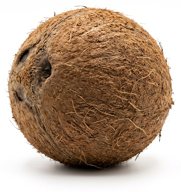
 Fresh coconut
Use equal weight freshly grated or diced. Delivers the identical sweet, milky taste and juicy texture.
 Desiccated coconut
Use 60% of the weight and soak in hot water or milk for 15 minutes before using. The finished dish will be slightly sweeter and less fibrous.
 Dried coconut
Finely grate and use 50% of the weight, soaked in hot water for 20 minutes. Yields a firmer chew and a denser, oilier coconut aroma.






 Ginger paste
Use equal weight. Sauté in hot fat until the raw allium smell disappears; slightly wetter, but provides identical warmth and pungency.
 Ground ginger
Use 20% to 25% of the weight (1 g for every 4 to 5 g fresh). Stir into the gravy; adds peppery heat and warmth, though it misses the crisp, zesty kick of raw root.



 Garlic paste
Use equal weight. Fry gently in oil or ghee with the ginger; incorporates smoothly into curries without visible minced bits.
 Garlic powder
Use 15% to 20% of the weight (about 1 g for every 5 to 6 g fresh cloves). Whisk into sauces; gives a savoury, toasted garlic flavour without raw pungency.
- Shallot
Use 1.5 times the weight, very finely minced. Sauté until golden; provides savoury allium sweetness, though it lacks garlic's pungent sulphur bite.


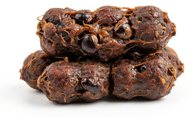 Tamarind pulp
Use 120–150% of the weight and strain; pulp is less concentrated, so simmer a little longer to thicken.
 Tamarind extract
Use 150–200% of the weight and reduce gently; extract is already diluted.
 Lime juice
Use 60–70% of the weight with a pinch of jaggery; sharper, so add near the end off the heat.
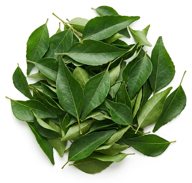
 Curry leaf
Use the same weight; tear and fry in oil as usual.
 Lime leaf
Use 50% of the weight, torn; citrusy but not resinous.
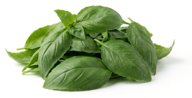 Basil leaves
Use the same weight; sweet and aniseed-like, but quite different.


 Peanut oil
Use 1:1 by weight. Handles high-heat frying identically and introduces a very subtle, pleasant nuttiness.
 Ghee
Use 1:1 by weight. Yields a much richer, authentic aroma and a glossy, heavier mouthfeel.
 Mustard oil
Use 1:1 by weight. Heat until smoking, then cool slightly before cooking to temper its intensely pungent, sharp mustard kick.


 Mustard seeds
Use equal weight. Pop in hot fat until they crackle and turn greyish; yields an almost identical nutty, pungent finish.
 Yellow mustard seeds
Use equal weight. Fry over medium heat; delivers a milder, sweeter pop and turns bitter quickly if the oil is excessively hot.


 Kashmiri chilli powder
Use the same weight; this is the first half of the book's option and gives the best red colour with mild heat.
 Mild paprika
Use the same weight; add a pinch of cayenne pepper for warmth. Slightly less colour.
- Paprika
Use the same weight and add cayenne pepper to taste; works but is less aromatic.


Similar dishes

- Same: Malwani Hirwa Tisrya Masala shares coconut, tamarind, garlic, ginger, Kashmiri chilli powder and vegetable oil with this dish.
- Different: It adds clams, red onion, turmeric, garam masala, coriander leaves and green bird’s eye chilli, and it lacks this dish’s shallot, curry leaves and mustard-seed tadka.

- Same: Maharashtrian Fish Kalwan shares coconut, tamarind, ginger, garlic, curry leaves, mild chilli powder and vegetable oil with this dish.
- Different: Maharashtrian Fish Kalwan adds firm white fish, turmeric, malt vinegar, coconut milk, black peppercorn, cumin seed, green bird’s eye chilli and coriander leaves, while this dish uses shallot and a black mustard-seed tadka and has no fish.

- Same: Nariyal Aur Kaju Ki Chutney shares with this dish a creamy coconut base, tamarind souring, curry leaves, and a black mustard-seed tempering in vegetable oil.
- Different: Nariyal Aur Kaju Ki Chutney adds roasted cashews, roasted chana dal, green bird's-eye chilli, caster sugar, dried mild red chilli, and asafoetida, while this dish uses shallot, ginger, garlic, and Kashmiri chilli powder and has much more coconut and less oil.

- Same: Maharashtrian Green Pea Usal shares coconut, garlic, Kashmiri chilli powder or mild paprika, vegetable oil, and salt with this dish.
- Different: Maharashtrian Green Pea Usal uses green peas, red onion, asafoetida, cumin, jaggery, lime, and coriander leaves and lacks shallot, ginger, tamarind, curry leaves, and black mustard seed, so it is a cooked pea curry rather than a ground coconut chutney with tadka.