
Paturee
These Bengali-style seafood parcels combine crab and prawns bound with potato, mustard oil, and warming spices, wrapped in banana leaves. Pan-frying infuses the tender patties with a delicate smoky aroma alongside rich, savoury heat.
Ground spices for the seafood mixture
9 gMixed into the seafood bowl (step 2)Everything else

Method
- Trim and cut 1 banana leaf into wrapping sheets, then wipe each piece clean using a damp cloth.
- Finely chop 200 g prawns. In a mixing bowl, combine the chopped prawns, 200 g crabmeat, 60 g boiled grated potato, 1 g chopped curry leaf, 1 g chopped coriander, 27 g mustard oil, 30 g grated cheese, 0.5 teaspoon chilli flakes, the ground spices for the seafood mixture, and salt to taste. Mix thoroughly, squeeze in the juice of 1 lemon, and adjust the seasoning if needed.
- Form the mixture into equal-sized patties and wrap each parcel tightly in a piece of banana leaf, sealing the edges well so no filling escapes.
- Warm a large non-stick frying pan over medium heat. Cook the wrapped cakes in batches for 8 to 10 minutes, turning once halfway through, and serve hot.
Don't have something?


 Green cabbage
Blanch large outer leaves for 30 seconds and use as a parcel; use the same size to wrap. No banana aroma.
 Collard greens
Blanch whole leaves for 1 minute and use as a wrap; slightly tougher and more peppery.


 Small prawn
Use the same weight; they cook faster, so add nearer the end. Same seafood flavour.
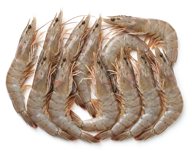 King prawn
Use the same weight; cut into smaller pieces if the recipe expects small prawns. Adjust cooking time down.
 Firm white fish
Use the same weight; cut into chunks and add later. It breaks up more easily than prawn.


 Crab
Use the same weight of cooked picked crab; check for shell and add at the same stage.
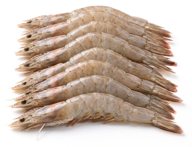 Prawn
Use the same weight, chopped; cook 2–3 minutes less or they toughen.
 White fish fillet
Use the same weight, steamed and flaked; fold in near the end to avoid breaking.



 Eggplant
Use equal weight. Cut into large chunks; cooks down much faster (10-12 minutes) and softens into the sauce rather than staying starchy and firm.
 Paneer
Use 80% of the weight. Cube and add in the last 5-10 minutes of cooking; adds rich dairy protein instead of starchy bulk.
 Dried chickpea
Use 45% dry weight. Soak overnight and boil until fully soft before stirring into the sauce to simmer for 10 minutes.


 Bay leaf
Fry 1 bay leaf for every 5 curry leaves in hot oil; imparts a warm, woodsy background note, but misses the citrus-sulphury punch entirely.
 Lime juice
Add a small squeeze (about 5 ml per sprig of curry leaves) right before serving; provides sharp citrus top notes without the toasty, herbal aroma.


 Coriander leaf
Use equal weight, chopped fresh and stirred in off the heat or used as garnish. Matches the citrus-herbal profile identically.
 Mint
Use 40% to 50% of the weight; chop finely and add at the very end. Adds fresh herbal brightness, but shifts the aroma toward cool menthol.


 Peanut oil
Use equal weight. It handles high-heat cooking well, but lacks the signature pungent, nasal heat of mustard oil.
 Vegetable oil
Use equal weight. Neutral in flavour, so your curry will lack the characteristic Bengali or North Indian pungent punch.


 Cheddar cheese
Use the same weight; grate or slice. Good all-purpose melting cheese, slightly sharper.
 Processed cheese
Use the same weight; grate. Melts easily but is saltier, so adjust salt.
- Paneer
Use the same weight; grate or crumble. Use where the cheese does not need to melt; it is firmer and less salty.


 Ground ginger
Use 50% of the weight. Mimics turmeric's warm, earthy, rhizome background, but provides none of the golden-yellow colour.
 Saffron
Steep a tiny pinch (0.1 g per 2 g turmeric) in 2 tbsp warm water; use to match the rich golden hue. Contributes an aristocratic, honeyed floral flavour rather than earthy bitterness.


 Red chilli powder
Use 100% of the weight. Provides direct, sharp heat and red colour in equal measure.
 Kashmiri chilli powder
Use 150% to 200% of the weight if matching colour, but add a pinch of black pepper or hot chilli if you need equivalent fiery heat.
 Cayenne pepper
Use 75% to 100% of the weight. Offers a sharp, clean heat with slightly less earthy depth and less crimson colour.


 Ground cumin
Use 50% of the weight mixed with equal parts ground coriander and a pinch of ground cinnamon, ground cloves, and ground green cardamom. Sprinkle near the end for a warming finish.
 Lentil stew spice mix
Use 75% of the weight. Simmer briefly in the gravy; imparts roasted warmth and complexity, though it adds a slight tang and earthy lentil undertone.


 Crushed dried red chilli
Use the same weight. Crush whole dried red chillies in a mortar, shaking out some seeds if you want less heat. Gives the same heat but a coarser, more uneven texture.
 Dried red chilli
Use the same weight. Soak in hot water for 10 minutes if the recipe needs a paste, or crush dry for a flake-like texture. Slightly more work and less uniform.
- Red chilli powder
Use about 75% of the weight, as powder is denser and disperses faster. Adds heat and colour but no flake texture; reduce if the powder is very hot.


 Lime
Use the same weight or juice amount; sharper, so taste before adding all the juice.
 Lemon juice
Use about 45–50 ml for 1 lemon; add off the heat to keep the freshness.
 Dried mango powder
Use 1 tsp for the juice of 1 lemon; add early. Sourness is flatter and less fresh.


Similar dishes

- Same: Yerra Varuval shares prawns, curry leaf, turmeric, chilli powder, lemon, salt, and oil with this dish.
- Different: Yerra Varuval uses vegetable oil, tamarind paste, ginger, garlic, coriander seeds, black peppercorn, and a mint-coriander-yogurt chatni, while this dish uses crab, potato, cheese, mustard oil, banana leaves, garam masala, and dried red chilli flakes and is pan-fried in parcels rather than quickly stir-fried.

- Same: Nejandu Kari also uses crab seasoned with chilli powder, turmeric, and curry leaves.
- Different: Instead of shaping crab with prawns and potato into banana-leaf parcels pan-fried in mustard oil, Nejandu Kari simmers crab in vegetable oil with tomatoes, tamarind, garlic, ginger, coriander, and fenugreek seeds.

- Same: Both recipes feature prawns seasoned with turmeric, chilli powder, curry leaves, and salt.
- Different: Instead of shaping crab and prawns with potato and mustard oil into pan-fried parcels, Konju Masala simmers prawns in a curry sauce made with onion, tomato, coconut milk, coriander, and ginger-garlic paste.
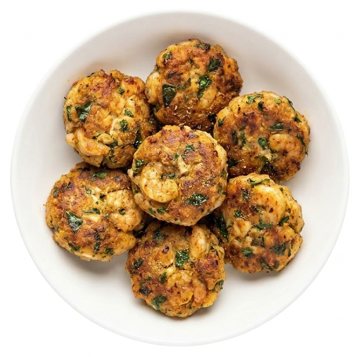
- Same: Bengali Prawn Cakes and this dish both use prawn, turmeric, chilli, garam masala, curry leaf and coriander in shallow- or pan-fried seafood patties.
- Different: Bengali Prawn Cakes use tiger prawn and cod with chickpea flour and English mustard, while this dish uses crab and prawn with potato, cheese and mustard oil and wraps them in banana leaves.