Indian cooking
Indian cooking / Dishes / Kaleji Kebab
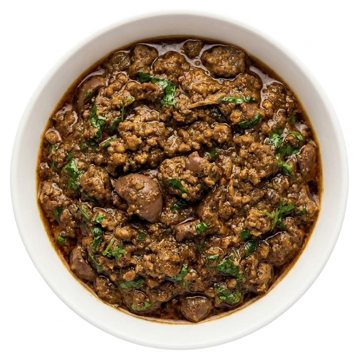
Kaleji Kebab (Deep-fried Liver Koftas)

Kaleji Kebab

Deep-fried Liver Koftas
Non-vegetarian●●●Origin PunjabPrep 30 minutesCook 30 minutes

Savory, spiced minced-liver meatballs deep-fried until crisp and golden brown on the outside with a tender, richly seasoned interior.

Simmering spices

4.4 gAdded to the pan with the liver and aromatics (step 2)
01
2.6 g1 teaspoon
spice
02
1.8 g1 teaspoon
spice
Stir the ground spices together.

Kofta spices

4.4 gMixed into the pureed liver base (step 3)
01
2.6 g1 teaspoon
spice blend
02
1.8 g1 teaspoon
spice
Stir to combine.

Everything else

01
500 g
meat
02
50 g
dairy
03
300 g2 onions
vegetable
04
Ginger · Adrakpeeled and ground
24 g1 piece
aromatic
05
Green chilli · Hari Mirchde-seeded and chopped
12 g2 chillies
vegetable
07
20 g2 tablespoons
flour
08
150 g
oil/fat
09
to taste
salt

Method

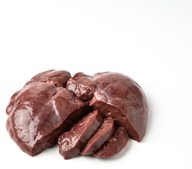
  1. Dice 500 g trimmed liver into 2.5 cm (1 inch) chunks.
  2. Bring 250 ml of water to a boil in a saucepan, add the liver, and cook for 6 minutes. Mix in 50 g whisked plain yogurt, 300 g chopped onion, 24 g peeled and ground ginger, 12 g de-seeded and chopped green chilli, 0.3 g asafoetida, and the simmering spices. Continue cooking until the meat is fully tender and the liquid has cooked away completely.
  3. Transfer the mixture to a food processor or mincer and process to a fine paste. Empty into a mixing bowl, then stir in 50 g chopped coriander leaf, 2 tablespoons rice flour, the kofta spices, and salt to taste until evenly combined.
  4. Divide the mixture and roll into 15 to 20 equal-sized balls.
  5. Heat 150 g ghee or vegetable oil in a kadhai or deep pot to 180°C (350°F). Fry the koftas in batches for roughly 5 minutes, turning until evenly golden-brown, then lift out with a slotted spoon to drain on paper towels.

Don't have something?

Liver
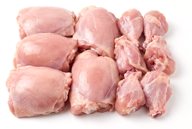
  • Chicken

    Use equal weight of trimmed chicken livers; pan-fry gently for 4-6 minutes; flavour is substantially milder and sweeter.

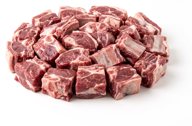
  • Lamb

    Use equal weight of lamb kidney cut into small bite-sized pieces; gives a similarly distinct iron-rich flavour with slightly firmer bite.

Plain yogurt
  • Yogurt

    Use equal weight, whisked thoroughly until smooth before adding to hot dishes to prevent curdling.

  • Coconut milk

    Use equal weight with 1 teaspoon lemon juice mixed in. Provides rich creaminess in curries, but adds a noticeable coconut flavour.

  • Single cream

    Use 80% of the weight plus a squeeze of lemon juice for acidity. Enriches sauces nicely, though it is richer and less tangy.

Chilli powder
  • Red chilli powder

    Use 100% of the weight. Provides direct, sharp heat and red colour in equal measure.

  • Kashmiri chilli powder

    Use 150% to 200% of the weight if matching colour, but add a pinch of black pepper or hot chilli if you need equivalent fiery heat.

  • Cayenne pepper

    Use 75% to 100% of the weight. Offers a sharp, clean heat with slightly less earthy depth and less crimson colour.

Onion
  • Shallot

    Use equal weight, finely sliced. Shallots soften and brown faster, giving a slightly sweeter and more delicate base to curries.

  • Cabbage

    Use 80% of the weight, finely shredded and browned slowly with a pinch of asafoetida. Replicates the bulk and natural sweetness in gravies without allium.

Ginger
  • Fresh ginger

    Use equal weight; scrape off the skin and grate or finely julienne according to the recipe.

  • Ginger paste

    Use equal weight; stir straight into the sizzling aromatics, taking care as the extra moisture may spit.

  • Ground ginger

    Use 15 to 20% of the weight; add alongside ground spices, noting it imparts warm, dry heat rather than zesty freshness.

Ground asafoetida
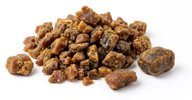
  • Asafoetida chunk

    Grind the same weight to a fine powder; store airtight as the aroma is very strong.

  • Asafoetida / garlic / onion powder

    Use the same weight, but check whether it contains salt; it gives a broader onion-garlic note rather than pure asafoetida.

  • Garlic powder

    Use about 25% of the weight; it gives a garlicky savour but not asafoetida's sulphurous tang.

Green chilli
  • Chilli powder

    Use 10 to 15% of the weight (about 1/4 teaspoon per chilli); imparts dry pungent heat and reddens the dish without the grassy crunch.

  • Dried red chilli

    Use 1 dried pod per fresh green chilli; snap in half and temper in hot oil for a deeper, toastier heat.

Ground ginger
  • Ginger paste

    Use 300% to 400% of the weight (e.g. 3–4 g paste for 1 g ground). Fry in oil alongside onions; provides a juicy, pungent kick rather than a dry, baking-spice heat.

  • Fresh ginger

    Peel and grate finely; use 300% to 400% of the weight. Add to the hot oil early; delivers bright, peppery warmth rather than the mellow, woody heat of dry ginger.

  • Ground mace

    Use 50% of the weight. Imparts a warm, spicy undertone in rich gravies, but lacks ginger's fiery, sharp zest.

Garam masala
  • Ground cumin

    Use 50% of the weight mixed with equal parts ground coriander and a pinch of ground cinnamon, ground cloves, and ground green cardamom. Sprinkle near the end for a warming finish.

  • Lentil stew spice mix

    Use 75% of the weight. Simmer briefly in the gravy; imparts roasted warmth and complexity, though it adds a slight tang and earthy lentil undertone.

Ground coriander
  • Coriander seeds

    Dry-roast lightly in a pan and grind to a fine powder; use equal weight (1:1). Offers a noticeably fresher, brighter citrus note.

  • Ground cumin

    Use 50% to 75% of the weight. Lacks the floral, citrusy profile of coriander and turns the gravy heavier, earthier, and darker.

  • Garam masala

    Use 50% of the weight and stir in near the end of cooking. Adds warmth and depth since it contains ground coriander, but introduces stronger spices like clove and cinnamon.


Coriander leaf
  • Coriander

    Use equal weight finely chopped; this is the exact same fresh herb.

  • Mint

    Use half the weight finely chopped; provides vibrant green freshness, though the flavour profile becomes noticeably cooler and sharper.

Rice flour
  • Cornflour

    Use about 60–70% of the weight for thickening; for coatings use the same weight but the crust is denser.

  • Plain flour

    Use the same weight for coatings; contains gluten, browns faster and is less crisp.

  • Fine semolina

    Use the same weight for crisp coatings; coarser texture and needs a short rest.

Ghee or vegetable oil
  • Peanut oil

    Use equal weight; handles high tempering heat well and keeps flavours neutral.

  • Butter

    Use equal weight; cook over gentle heat to prevent browning the milk solids too quickly.

Similar dishes

Elayachi Gosht
Cardamom-flavoured Lamb
Elayachi Gosht tastes aromatic and cardamom-heavy with a yoghurt-rich, mildly fiery curry sauce, while this dish tastes crisp-fried outside and richly seasoned liver inside with asafoetida and fresh coriander.
  • Same: Elayachi Gosht shares yogurt, onion, ginger, green chilli, chilli powder, ground coriander, salt and coriander leaf with this dish, and both are savory spiced Indian dishes.
  • Different: Elayachi Gosht uses lamb and much more yogurt, adds black and green cardamom, and is a slow-cooked ghee curry, while this dish is minced liver with rice flour and asafoetida formed into koftas and deep-fried.
Dahi ka Dungara Gosht
Smoked Lamb Cooked with Yoghurt
Dahi ka Dungara Gosht tastes rich, smoky, and mildly spiced from yogurt and lamb, while this dish tastes crisp outside and strongly seasoned with liver, asafoetida, and garam masala.
  • Same: Dahi ka Dungara Gosht shares yogurt, onion, ginger, green chilli, chilli powder, salt, and a ghee or oil fat with this dish.
  • Different: Dahi ka Dungara Gosht uses lamb, garlic, mint, and a very large amount of yogurt and is braised, browned, and charcoal-smoked, while this dish uses minced liver, rice flour, asafoetida, garam masala, and coriander leaf and is shaped into koftas and deep-fried.
Gurde ka Keema
Lamb Kidney Curry
Gurde ka Keema tastes saucier, tangier, and more floral from the extra yogurt and kewra water, but has a milder heat without the fresh green chillies and deep-fried crust of this dish.
  • Same: Gurde ka Keema also pairs spiced offal with ghee, plain yogurt, fresh ginger, coriander leaf, chilli powder, ground coriander, and garam masala.
  • Different: Instead of shaping liver into deep-fried meatballs with onions and green chillies, it is a simmered kidney curry prepared without onions and flavored with clove, fennel seed, asafoetida, and kewra water.
Dhaniwal Qorma
Coriander (Cilantro)-flavoured Lamb
Dhaniwal Qorma tastes like a fragrant, gently spiced yogurt-based lamb curry finished with fresh coriander, not a crisp, chilli-hot deep-fried liver kebab.
  • Same: Dhaniwal Qorma shares yogurt, onion, ground ginger, ground coriander, coriander leaf, salt, and ghee with this dish.
  • Different: Dhaniwal Qorma uses lamb instead of liver, has no chilli powder, green chilli, asafoetida, garam masala, or rice flour, adds fennel seed and black peppercorn, and is slow-braised rather than deep-fried as koftas.