
Pesaru Punukulu
Crisp and savoury South Indian fritters made from a coarsely ground batter of whole mung beans and rice, scented with fresh herbs and green chillies.
Ingredients

Method
- Submerge 200 g green lentils and 40 g basmati rice in a large bowl of water and leave to soak for 2 to 3 hours, then drain, rinse thoroughly, and drain once more.
- Put the soaked lentils and rice into a food processor along with 24 g green chilli and 2 to 3 tablespoons of water, then blitz into a thick, coarse batter.
- Transfer the batter to a bowl and mix in 2 chopped onions, 2 g coriander leaf, 1 g curry leaf, and salt to taste.
- Fill a deep pan or kadhai with vegetable oil for deep-frying and heat to 180°C (350°F), then slightly reduce the flame to hold the temperature.
- Working in batches, drop spoonfuls of batter into the hot oil and fry for roughly 5 minutes, turning regularly, until thoroughly crisp and deep golden.
- Lift the fritters out with a slotted spoon and transfer to paper towels to drain excess oil.
Don't have something?


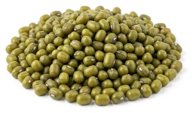 Whole mung beans
This is the same bean under another name; use the same weight and soak as directed.
 Split green mung beans
Use the same weight; it cooks 10–15 minutes faster without soaking, so add later and expect a softer texture.
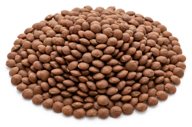 Whole brown lentil
Use the same weight; it is firmer and earthier and needs 5–10 minutes longer.


 Plain boiled rice
Use 2.5 times the weight if substituting pre-cooked rice. Fold in gently at the end of the recipe; grains will be shorter and less fragrant.


 Chilli powder
Use 10 to 15% of the weight (about 1/4 teaspoon per chilli); imparts dry pungent heat and reddens the dish without the grassy crunch.
 Dried red chilli
Use 1 dried pod per fresh green chilli; snap in half and temper in hot oil for a deeper, toastier heat.






 Bay leaf
Fry 1 bay leaf for every 5 curry leaves in hot oil; imparts a warm, woodsy background note, but misses the citrus-sulphury punch entirely.
 Lime juice
Add a small squeeze (about 5 ml per sprig of curry leaves) right before serving; provides sharp citrus top notes without the toasty, herbal aroma.


 Peanut oil
Use 1:1 by weight. Handles high-heat frying identically and introduces a very subtle, pleasant nuttiness.
 Ghee
Use 1:1 by weight. Yields a much richer, authentic aroma and a glossy, heavier mouthfeel.
 Mustard oil
Use 1:1 by weight. Heat until smoking, then cool slightly before cooking to temper its intensely pungent, sharp mustard kick.


Similar dishes

- Same: Masala Siyam and this dish are both deep-fried South Indian savoury snacks made with onion, curry leaf, coriander, salt and vegetable oil, and both combine rice with a legume.
- Different: Masala Siyam uses basmati rice with urad dal, mustard seed and fresh coconut and has no mung bean or green chilli, while this dish uses whole mung bean with a little rice and green chilli and has no coconut or mustard seed; neither lists a souring agent.

- Same: Utthapam shares the green chillies, vegetable oil, and savoury South Indian profile with this dish.
- Different: Utthapam is griddled as a thick pancake made with semolina and plain yoghurt, whereas this dish is deep-fried from a batter containing rice, coriander leaves, and curry leaves.

- Same: Both dishes are South Indian snacks based on rice, green chillies, and coriander leaves seasoned with salt.
- Different: Paitham Parappu Idli is fermented and steamed rather than deep-fried, incorporating moong dal, urad dal, fresh coconut, and ginger while omitting curry leaves.
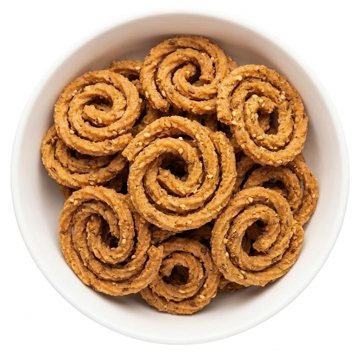
- Same: Both are South Indian deep-fried savoury snacks made from ground rice and mung beans or moong dal and seasoned with salt.
- Different: Mangupullu adds gram flour, sesame seed, cumin seed and ghee and is shaped into coils, while this dish uses whole mung bean, onion, green chilli, coriander leaf and curry leaf in a coarse batter and has no gram flour, sesame, cumin or ghee; neither lists a souring agent.