Indian cooking
Indian cooking / Dishes / Mangupullu
Mangupullu (Crispy Deep-fried Savoury Rings)

Mangupullu

Crispy Deep-fried Savoury Rings
VegetarianOrigin Andhra Pradesh/Tamil NaduPrep 10 minutesCook 20 minutes

These crunchy South Indian savoury coils are made from ground rice and lentils scented with cumin and sesame. They possess a brittle, crisp snap and a rich, nutty finish.

Whole seeds for the dough

2.1 gStirred into the flour mixture (step 2)
01
2.1 g1 teaspoon
spice
Leave whole to knead straight into the dough.

Everything else

01
100 g
legume
02
200 g
grain
04
3 g1 teaspoon
nut/seed
05
13 g1 tablespoon
oil/fat
06
to taste
oil/fat
07
to taste
salt

Method

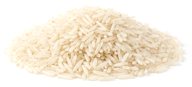
  1. Grind 100 g moong dal and 200 g basmati rice in a high-speed blender or mill until reduced to a fine flour.
  2. Tip the milled grains into a bowl along with 75 g gram flour, the whole seeds for the dough, 13.2 g ghee, and salt to taste. Pour in water a little at a time while kneading, working it into a dense, non-sticky dough.
  3. Transfer the mixture into a murukku press or a heavy-duty piping bag.
  4. Pour enough vegetable oil for deep-frying into a kadhai or heavy pot, heating it to 180°C (350°F).
  5. Press the dough directly over the fat in concentric coils, cooking in small batches. Fry for 2 to 3 minutes until firm, crisp, and lightly coloured.
  6. Lift out each batch with a perforated spoon to drain on paper towels. Bring to room temperature before packing into an airtight container.

Don't have something?

Moong dal
  • Red lentils

    Use equal weight. It cooks in about the same time and breaks down to a similar soft, creamy consistency, though the colour will be slightly pinkish-orange.

  • Pigeon peas

    Use equal weight. Requires longer soaking and cooking time, and produces a slightly earthier, denser dal.

Basmati rice
  • Plain boiled rice

    Use 2.5 times the weight if substituting pre-cooked rice. Fold in gently at the end of the recipe; grains will be shorter and less fragrant.

Gram flour
  • Chickpea flour

    Use the same weight. Gram flour is chickpea flour, so this is an exact swap with the same nutty flavour and binding.

  • Plain flour

    Use about 75–80% of the weight, e.g. 80 g for 100 g gram flour, and add a pinch of turmeric for colour. Less nutty and less crisp; good only for thickening or simple batters.

  • Rice flour

    Use the same weight for crispness, but it does not bind like gram flour; mix with a little plain flour if making pakora batter.

Sesame seed
  • White sesame seed

    Use the same weight. Toast lightly before use; white seeds are milder and give a cleaner look.

  • Black sesame seed

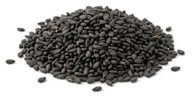
    Use the same weight. They are stronger and more bitter; toast briefly and use slightly less if the dish is delicate.

  • Peanut

    Use the same weight, crushed or chopped. It gives crunch but not the same nutty sesame aroma.

Cumin seed
  • Ground cumin

    Use 70% of the weight; add with ground spices or sauce bases rather than hot oil tempering, where it scorches quickly and turns bitter.

  • Black cumin seeds

    Use equal weight for oil tempering. Delivers an earthy profile with an additional musky, smoky, and slightly bitter edge.

  • Fennel seed

    Use 60% of the weight for tempering; offers comparable warm aroma, but leans sweet and liquorice-like rather than savoury and earthy.

Ghee
  • Unsalted butter

    Use 120% of the weight; melt gently over low heat to avoid burning the milk solids, which will yield a softer, creamier richness rather than a nutty aroma.


  • Vegetable oil

    Use 85% of the weight; holds high cooking temperatures without smoking, but the final dish will lack traditional dairy depth.

  • Mustard oil

    Use equal weight; heat to smoking point and cool slightly before cooking, bearing in mind it introduces an assertive, pungent edge.

Vegetable oil
  • Peanut oil

    Use 1:1 by weight. Handles high-heat frying identically and introduces a very subtle, pleasant nuttiness.

  • Ghee

    Use 1:1 by weight. Yields a much richer, authentic aroma and a glossy, heavier mouthfeel.

  • Mustard oil

    Use 1:1 by weight. Heat until smoking, then cool slightly before cooking to temper its intensely pungent, sharp mustard kick.

Similar dishes

Khilwan Khichari
Dry Khichari
Khilwan Khichari tastes soft, heavily buttery, and warmly spiced rather than crisp, nutty, and fried.
  • Same: Khilwan Khichari shares a base of basmati rice, moong dal, cumin seeds, and ghee with this dish.
  • Different: Instead of being ground into a dough and deep-fried in vegetable oil, it is cooked whole with bay leaf, cloves, black peppercorns, and far more ghee, omitting the sesame seeds.
Jangir
Syrup-soaked Pretzels
Jangir is sweet, glossy and rosewater-saffron scented and served chilled, while this dish is crisp, savoury and nutty with cumin and sesame.
  • Same: Jangir and this dish both use basmati rice and a lentil base and are deep-fried in vegetable oil.
  • Different: Jangir uses urad dal and sugar with saffron, rosewater and milk, while this dish uses moong dal, gram flour, cumin, sesame, ghee and salt and has no syrup.
Paper Dosa
Crisp Wafer-thin Pancakes
Paper Dosa tastes tangy from fermentation and shatteringly crisp, while this dish tastes nutty from sesame and cumin with a brittle fried snap.
  • Same: Paper Dosa shares with this dish a South Indian savoury identity built on rice and lentils, salt, and a crisp texture.
  • Different: Paper Dosa uses urad dal and fenugreek in a fermented batter cooked as a thin griddle crepe, while this dish uses moong dal, gram flour, sesame, cumin, and ghee in a deep-fried ring dough.
Pesaru Punukulu
Green Lentil Fritters
Pesaru Punukulu is significantly spicier and fresh-tasting from the green chillies and herbs, whereas this dish tastes milder and nuttier from cumin, sesame, and ghee.
  • Same: Pesaru Punukulu is also a deep-fried South Indian rice-based snack cooked in vegetable oil.
  • Different: Pesaru Punukulu is shaped as small fritters flavored with green chillies, curry leaves, and coriander leaf, omitting the cumin, sesame seeds, moong dal, and ghee used in this dish.