Indian cooking
Indian cooking / Dishes / Matar ki Tarkari
Matar ki Tarkari (Green Pea Curry)

Matar ki Tarkari

Green Pea Curry
Vegetarian●●●Origin AwadhPrep 15 minutesCook 20–25 minutes

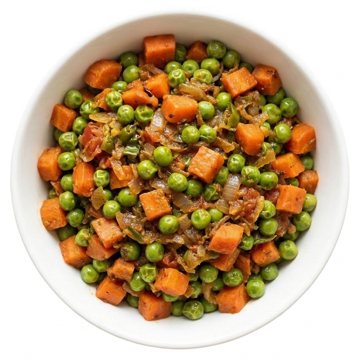
A light North Indian green pea curry simmered in a gently spiced tomato and ginger sauce. It balances the natural sweetness of peas with warm, earthy spices.

Spices for the peas

5 gStirred into the par-cooked peas (step 2)
02
3 g1 teaspoon
spice
Keep together ready to add to the cooker.

Ground spices for the sauce

4.7 gFried with the aromatics and tomatoes (step 3)
01
1.8 g1 teaspoon
spice
02
1.6 g½ teaspoon
spice
03
1.3 g½ teaspoon
spice
Stir together so they can be added to the pan at once.

Everything else

01
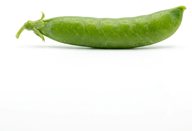
Pea · Matarshelled if fresh
400 g
vegetable
02
6 g1 teaspoon
salt
03
14 g1 tablespoon
oil/fat
04
2 g1 teaspoon
aromatic
05
2 g5 sprigs
herb
06
240 g2 tomatoes
vegetable

Method

  1. Put 400 g pea and 500 ml water into a pressure cooker, seal the lid, and cook under pressure for 5 minutes.
  2. Release the pressure and open the cooker. Stir in the spices for the peas along with 5.8 g salt, set the lid on loosely, and simmer over low heat for 10 to 15 minutes. Alternatively, simmer the peas, water, salt, and spices in a heavy saucepan for 5 to 10 minutes until tender.
  3. Heat 13.5 g vegetable oil in a separate heavy-based pan over medium heat. Tip in 2 g fresh ginger, 5 g chives, 240 g tomato, and the ground spices for the sauce, then stir-fry for 2 to 3 minutes until the tomatoes break down completely.
  4. Transfer the cooked peas and their remaining cooking liquid into the tomato mixture, then simmer together for 2 to 3 minutes.

Don't have something?

Pea
  • Green pea

    Use equal weight directly from fresh or frozen. Toss into the pan near the end of cooking to preserve sweetness and bright green colour.

  • Chana dal

    Use 70% of the weight, boiled until tender but holding shape. Adds pleasant body and starch, though it lacks the juicy sweetness of fresh peas.

Dried red chilli
  • Dried kashmiri chilli

    Use equal weight whole. Fry in hot oil or ghee as tempered spice; gives a richer red colour with slightly milder heat.

  • Red chilli powder

    Use 50% to 70% of the weight. Stir into the oil with ground spices; distributes heat evenly throughout the dish without whole chilli skins.

Ground turmeric
  • Ground ginger

    Use 50% of the weight. Mimics turmeric's warm, earthy, rhizome background, but provides none of the golden-yellow colour.

  • Saffron

    Steep a tiny pinch (0.1 g per 2 g turmeric) in 2 tbsp warm water; use to match the rich golden hue. Contributes an aristocratic, honeyed floral flavour rather than earthy bitterness.

Vegetable oil
  • Peanut oil

    Use 1:1 by weight. Handles high-heat frying identically and introduces a very subtle, pleasant nuttiness.

  • Ghee

    Use 1:1 by weight. Yields a much richer, authentic aroma and a glossy, heavier mouthfeel.

  • Mustard oil

    Use 1:1 by weight. Heat until smoking, then cool slightly before cooking to temper its intensely pungent, sharp mustard kick.

Fresh ginger
  • Ginger paste

    Use equal weight. Sauté in hot fat until the raw allium smell disappears; slightly wetter, but provides identical warmth and pungency.

  • Ground ginger

    Use 20% to 25% of the weight (1 g for every 4 to 5 g fresh). Stir into the gravy; adds peppery heat and warmth, though it misses the crisp, zesty kick of raw root.

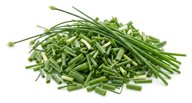
Chive
  • Spring onion green

    Use the same weight, sliced very fine; milder and fresher, with a similar allium note.

  • Spring onion

    Use the same weight but mostly the green parts; the white is sharper.

  • Onion

    Use 50% of the weight, chop very fine and rinse to soften the raw bite.

Tomato
  • Tomato purée

    Use 40% to 50% of the fresh tomato weight mixed with a splash of water. Imparts a deeper red colour, thicker sauce, and slightly sweeter cooked flavour.

  • Plain yogurt

    Use 60% of the weight, whisked smooth and added on low heat. Provides rich body and sourness, though the gravy becomes paler and creamier.

Ground coriander
  • Coriander seeds

    Dry-roast lightly in a pan and grind to a fine powder; use equal weight (1:1). Offers a noticeably fresher, brighter citrus note.

  • Ground cumin

    Use 50% to 75% of the weight. Lacks the floral, citrusy profile of coriander and turns the gravy heavier, earthier, and darker.

  • Garam masala

    Use 50% of the weight and stir in near the end of cooking. Adds warmth and depth since it contains ground coriander, but introduces stronger spices like clove and cinnamon.

Ground fenugreek
  • Fenugreek seeds

    Grind whole seeds finely in a spice grinder; use equal weight (1:1). Ensure it cooks through gently, as undercooked or burnt ground seeds become intensely bitter.

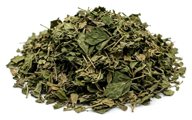
  • Dried fenugreek leaves

    Crush dried leaves between your palms and add towards the end; use 50% of the weight. Gives the unmistakable maple-herb aroma without the sharp bitterness of the seeds.


  • Yellow mustard seeds

    Grind finely; use 50% of the weight. Adds an earthy, sharp bite, though it lacks the distinctive sweet-curry smell.

Ground cumin
  • Cumin seed

    Dry-roast briefly and grind finely; use equal weight (1:1). Imparts an even punchier, nuttier, toasty aroma than pre-ground cumin.

  • Ground coriander

    Use equal weight (1:1). Adds mild, lemony sweetness rather than cumin's smoky, earthy bite; curries will taste lighter and less savoury.

  • Black cumin seeds

    Grind finely; use 60% to 75% of the weight. Produces a darker, more complex, smoky-herbal flavour suited to rich gravies.

Similar dishes

Gajar Matar
Peas & Carrots
Gajar Matar tastes sweeter from carrots and onions and more pungent from garlic, green chilli, and cumin seed, with a drier texture than this dish's tomato-ginger sauce.
  • Same: Gajar Matar shares peas, tomato, ginger, ground coriander, ground cumin, vegetable oil, and salt with this dish, and both are North Indian pea-based vegetable dishes.
  • Different: Gajar Matar adds carrots, onion, green chilli, garlic, cumin seed, and chilli powder, uses much more fat and optional ghee, and is dry-braised, while this dish is a lighter pea curry with dried red chilli, turmeric, fenugreek, and chive.
Singhara
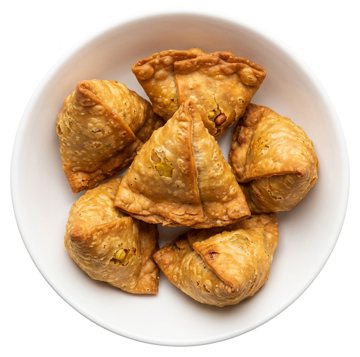
Bengali Samosas
Singhara is crisp, starchy, and allium-forward from onion and garlic, lacking the tangy tomato acidity and fenugreek notes of this dish.
  • Same: Singhara shares peas, vegetable oil, ginger, and ground spices like turmeric, cumin, and coriander with this dish.
  • Different: Rather than a simmered tomato and fenugreek curry, Singhara encases a dry potato, onion, and garlic filling inside a deep-fried pastry shell.
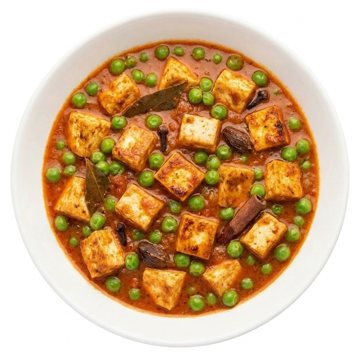
Matar Paneer
Paneer & Pea Curry
Matar Paneer tastes richer and more aromatic from the fat, paneer and whole spices, with less tomato tang than this dish.
  • Same: Matar Paneer shares green peas, ginger, cumin, coriander and turmeric with this dish, and both are North Indian curries.
  • Different: Matar Paneer adds paneer cubes, much more ghee or oil, whole bay leaf, clove, black cardamom and cinnamon, plus garam masala and chilli powder, while this dish uses tomato, fenugreek and chive and has no paneer or whole spices.
Matar Paneer
Paneer & Pea Curry
Matar Paneer is richer and heavier from paneer and ghee with a whole-spice aroma, while this dish is lighter and more tomato-forward with the sweetness of peas.
  • Same: Both are North Indian green pea curries seasoned with ginger, turmeric, ground cumin, ground coriander, chilli, and salt.
  • Different: Matar Paneer adds browned paneer cubes and uses ghee plus bay leaf, clove, black cardamom, cinnamon, and garam masala, while this dish uses vegetable oil, tomato, chive, and ground fenugreek and has no paneer.