Indian cooking
Indian cooking / Dishes / Arhar ki Dal
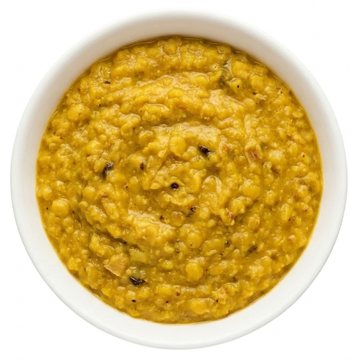
Arhar ki Dal (Pigeon Pea Dal)

Arhar ki Dal

Pigeon Pea Dal
VegetarianOrigin Awadh/DelhiPrep 10 minutes, plus soaking timeCook 40 minutes

A comforting, mildly sweet and savoury pigeon pea dal simmered until tender and enriched with a fragrant clove-and-asafoetida spiced ghee.

Ground spices for the dal

3 gAdded to the boiling dal (step 2)
01
3 g1 teaspoon
spice
Stir together to add to the boiling water.

Tempering spices

0.4 gBloomed in the hot oil (step 5)
01
~0.3 gpinch
spice
02
0.1 g2 cloves
spice
Keep together to drop into the hot fat.

Everything else

01
Pigeon peas · Toor Dalrinsed and drained
250 g
legume
03
47 g3½ tablespoons
oil/fat
04
to taste
salt

Method

  1. Cover 250 g toor dal with water in a bowl, soak for 1 hour, then drain thoroughly.
  2. Bring 1 litre of water to a rolling boil in a large, heavy-based pan. Stir in the drained dal, the ground spices for the dal, and salt to taste. Cover and boil for about 15 minutes, until the liquid has mostly reduced and the lentils start to soften.
  3. Pour in 125 ml water, replace the lid, lower the heat, and simmer gently for about 10 minutes until the dal is completely tender.
  4. Mash the cooked dal thoroughly with a wooden spatula. Mix in 125 ml hot water to thin the texture, add 1 teaspoon jaggery or sugar, and simmer gently over low heat for another 5 minutes.
  5. Heat 47.2 g ghee or vegetable oil in a skillet over medium heat. Tip in the tempering spices and fry for 1 minute until the cloves begin to splutter.
  6. Immediately pour the hot spiced oil into the dal and stir well. Cover the pan and simmer for 2 minutes until heated through.

Don't have something?

Toor dal
  • Red lentils

    Use equal weight. Cooks considerably faster and breaks down into a softer, creamier consistency with an earthier taste.

  • Chana dal

    Use equal weight. Requires longer soaking and cooking; remains firmer with a nuttier bite and less starchy thickening.

  • Split mung beans

    Use equal weight. Cooks quickly to a lighter, more delicate, and silky texture.

Asafoetida
  • Garlic powder

    Use double the weight. Stir into hot oil just before adding wet ingredients; mimics the allium savoury background without the sulphurous edge.

  • Garlic paste

    Use 2 g for every 0.5 g of asafoetida. Sauté in oil until the raw smell clears; adds moisture and sweet allium depth.

Ground turmeric
  • Ground ginger

    Use 50% of the weight. Mimics turmeric's warm, earthy, rhizome background, but provides none of the golden-yellow colour.

  • Saffron

    Steep a tiny pinch (0.1 g per 2 g turmeric) in 2 tbsp warm water; use to match the rich golden hue. Contributes an aristocratic, honeyed floral flavour rather than earthy bitterness.

Crumbled jaggery or soft brown sugar
  • Jaggery

    Use the same weight, grated or crumbled. Same deep, molasses-like sweetness.

  • Brown sugar

    Use the same weight. Soft brown sugar is closest; slightly milder.

  • Demerara sugar

    Use the same weight. Drier and less molasses; dissolve in a little hot water first.

Ghee or vegetable oil
  • Peanut oil

    Use equal weight; handles high tempering heat well and keeps flavours neutral.

  • Butter

    Use equal weight; cook over gentle heat to prevent browning the milk solids too quickly.

Clove
  • Ground cloves

    Use 1 g ground for 4 g whole (or 1 small pinch per 2 to 3 whole cloves). Add with spice powders; disperses intense warmth quickly, so use with restraint.

  • Allspice berries

    Use 100% of the weight whole in tempering. Imparts a warm, clove-like aromatic profile combined with hints of nutmeg and cinnamon.


  • Black cardamom pod

    Use 1 pod for 3 to 4 cloves in whole tempering. Shares a camphor-like warmth and medicinal depth, though it introduces a distinct smoky undertone.

Similar dishes

Lachko Dal
Thick Yellow Toor (Toover) Dal
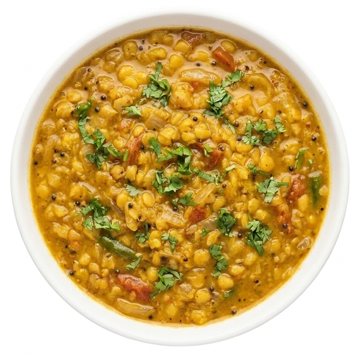
Lachko Dal tastes more pungently of ginger and asafoetida, lacking the warm clove aroma and mild sweetness of this dish.
  • Same: Both recipes are prepared by simmering toor dal with ground turmeric and seasoning it with an asafoetida-infused ghee tempering.
  • Different: Lachko Dal adds fresh ginger and is simmered to a much denser consistency, but it omits the whole cloves and uses less ghee than this dish.
Masoor ki Dal
Red or Black Dal
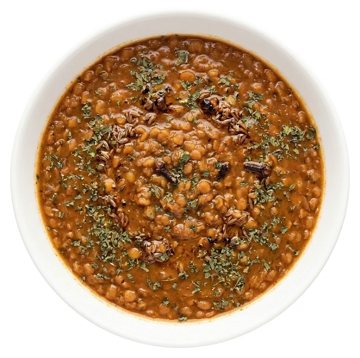
Masoor ki Dal has a sharper, spicier, and more pungent flavor from the ginger, cumin, and chilli compared to the milder, sweeter profile of this dish.
  • Same: Both are lentil dals simmered with turmeric and salt, then finished with a ghee or oil tempering seasoned with asafoetida and clove.
  • Different: Masoor ki Dal uses red or black masoor lentils instead of pigeon peas, enriches the broth with rice cooking water, and adds ginger, cumin seeds, ground coriander, and chilli powder.
Aamati
Sweet & Tangy Yellow Dal
Aamati has a much tangier, sweeter, and spicier flavour than the simple, clove-scented profile of this dish.
  • Same: Aamati also uses toor dal as its base, seasoned with turmeric, asafoetida, and salt.
  • Different: Unlike this dish, Aamati incorporates onions, tomatoes, green chillies, sugar, mustard seeds, and garam masala in vegetable oil, while omitting cloves.
Sukhi Urad ki Dal
Dry Black Lentils
Sukhi Urad ki Dal tastes much more pungent, earthy, and spicy from the ginger and chillies, lacking the clove-infused mildness of this dish.
  • Same: Both are lentil preparations tempered in ghee with turmeric and asafoetida.
  • Different: Sukhi Urad ki Dal is cooked as a dry sauté using urad dal, cumin seeds, fresh ginger, and both fresh and dried chillies, whereas this dish is a soupy toor dal tempered with cloves.