Indian cooking
Indian cooking / Dishes / Kashmiri Pulao
Kashmiri Pulao (Kashmiri Pulao)

Kashmiri Pulao

Non-vegetarianOrigin Jammu and KashmirPrep 40 minutes, plus cooling timeCook 25–30 minutes

An aromatic Kashmiri rice dish prepared by simmering long-grain basmati in a deeply spiced mutton-bone broth and finishing it under steam with rich ghee.

Whole spices for the stock

57 gSimmered in the stock pot (step 2)
01
2.5 g5 leaves
spice
03
15 g2½ tablespoons
spice
04
10 g4 pieces
spice
Keep whole; they will infuse into the broth.

Whole spices for the rice

2.8 gAdded to the boiling broth with the rice (step 4)
01
2.1 g1 teaspoon
spice
Leave whole: they go straight into the boiling broth.

Everything else

01
400 g
grain
02
125 g
oil/fat
03
27 g2 tablespoons
oil/fat
04
250 g
vegetable
05
2982 g3 l
liquid
06
1500 g6 bones
meat
07
to taste
salt

Method

  1. Warm 27 g vegetable oil in a frying pan over medium heat. Add 250 g onion and sauté for roughly 5 minutes until evenly browned, then lift out using a slotted spoon and set aside.
  2. Place the whole spices for the stock into a heavy, deep pot alongside 3000 g water, the remaining stock ingredients, and salt to taste. Bring to a rolling boil, cover with a lid, and cook at a steady boil for 15 to 18 minutes. Stir in the browned onions and continue boiling for another 5 minutes, then turn off the heat to let it cool.
  3. Pour the contents of the pot through a fine sieve or cheesecloth, collecting 1.75 litres of clarified broth and topping up with fresh water if the volume falls short. Discard the leftover solids and whole spices.
  4. Transfer the strained broth to a clean, heavy pan and heat to a boil. Tip in 400 g basmati rice along with the whole spices for the rice and season with salt. Bring back to a vigorous boil, reduce the flame, and simmer for 18 to 20 minutes until the grains are nearly cooked through.
  5. In a separate deep pan, melt 125 g ghee over medium heat. Once thoroughly hot, tip the par-cooked rice and any residual cooking liquid into the ghee. Secure the pan with a tight lid and steam over the lowest heat setting until the rice is tender, dry, and fully cooked.

Don't have something?

Basmati rice
  • Plain boiled rice

    Use 2.5 times the weight if substituting pre-cooked rice. Fold in gently at the end of the recipe; grains will be shorter and less fragrant.

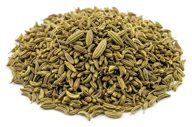
Black cumin seed
  • Nigella seeds

    Use the same weight; in Indian cooking this is usually the same seed. Toast lightly if the recipe asks for toasted.

  • Kalonji seed

    Use the same weight; it is another name for nigella. Add whole or crush lightly.

  • Cumin seed

    Use about 75% of the weight and toast before use; the flavour is different, more warm and less onion-like.

Green cardamom pod
  • Green cardamom seed

    Use 35 to 40% of the total pod weight; lightly bruise the seeds before frying in oil to release their essential oils.

  • Ground green cardamom

    Use 20 to 25% of the pod weight (about 1 generous pinch per pod); stir in toward the end of cooking so the delicate floral notes do not dissipate.

  • White cardamom pod

    Use 1:1 by pod count or weight; crack gently before using, though it is slightly less intensely floral.

Ghee
  • Unsalted butter

    Use 120% of the weight; melt gently over low heat to avoid burning the milk solids, which will yield a softer, creamier richness rather than a nutty aroma.

  • Vegetable oil

    Use 85% of the weight; holds high cooking temperatures without smoking, but the final dish will lack traditional dairy depth.

  • Mustard oil

    Use equal weight; heat to smoking point and cool slightly before cooking, bearing in mind it introduces an assertive, pungent edge.

Vegetable oil
  • Peanut oil

    Use 1:1 by weight. Handles high-heat frying identically and introduces a very subtle, pleasant nuttiness.

  • Ghee

    Use 1:1 by weight. Yields a much richer, authentic aroma and a glossy, heavier mouthfeel.

  • Mustard oil

    Use 1:1 by weight. Heat until smoking, then cool slightly before cooking to temper its intensely pungent, sharp mustard kick.

Onion
  • Shallot

    Use equal weight, finely sliced. Shallots soften and brown faster, giving a slightly sweeter and more delicate base to curries.

  • Cabbage

    Use 80% of the weight, finely shredded and browned slowly with a pinch of asafoetida. Replicates the bulk and natural sweetness in gravies without allium.

Water
  • Stock

    Use the same weight in savoury dishes; it adds body, so adjust salt.

  • Milk

    Use the same weight only in doughs or creamy dishes; it makes the result richer.

  • Coconut water

    Use the same weight in curries or rice; it adds sweetness and a faint coconut taste.

Lamb leg bone
  • Lamb bone

    Use the same weight; rinse well and simmer 1–2 hours for stock or gravy. Gives body but less meat than a leg bone.

  • Marrow bone

    Use the same weight; ask the butcher to split it. Richer and oilier, so skim excess fat from the gravy.

  • Lamb shank

    Use 1.5–2 times the weight if you need meaty body; simmer 45–60 minutes longer until tender.

Bay leaf
  • Cinnamon stick

    Use a 2 cm piece (about 1 g) for every 1 to 2 bay leaves. Fry in whole-spice temperings; provides the cassia-like warmth typical of Indian tejpatta.

  • Ground cinnamon (cassia)

    Use 0.5 g per leaf. Stir into the sauce during simmering; gives the same warm woodiness but darkens the colour slightly.

Black cardamom pod
  • Ground black cardamom

    Use 0.5 g of ground seeds for each whole pod. Stir directly into the curry base; delivers identical smoky flavour without woody husks.

  • Green cardamom pod

    Use equal pod count or weight. Crack slightly and fry whole; tastes sweet, menthol-fresh, and floral rather than dark and smoky.

Fennel seed
  • Aniseed

    Use 75% of the weight. Fry in hot oil or ghee; has a sharper, more pronounced liquorice flavour, so use a lighter hand.

  • Ground fennel seed

    Use 60% of the weight. Stir into the sauce with ground masalas; provides identical sweet aniseed flavour without whole seed crunch.

  • Star anise

    Use one point (single carpel) per 1 g of fennel seeds. Simmer in gravies and remove before serving; gives a deeper, woodier liquorice aroma.

Cassia bark
  • Ceylon cinnamon

    True cinnamon: thinner, papery quills, milder and sweeter. Use about 1.5 times the weight, and taste.

  • Ground cinnamon (cassia)

    Use about a third of the weight (0.5 g ground for a 2.5 cm piece), stirred in with the ground spices rather than fried whole, since the powder burns quickly.


  • Cassia buds

    Use 60-70% of the weight; stronger and more peppery, so taste before adding more.

Similar dishes

Bhagara Bhaath
Fried Savoury Rice
It has a sharp garlic, ginger, and clove flavor rather than the savory, meaty richness, smoky black cardamom, and sweet fennel notes of this dish.
  • Same: Bhagara Bhaath also steams basmati rice cooked with sliced onions, ghee, cinnamon sticks, and green cardamom.
  • Different: Unlike this dish, it includes ginger paste, garlic paste, and cloves, but omits the mutton-bone broth, black cardamom, fennel seeds, black cumin, bay leaves, and vegetable oil.
Zarda Pulao
Sweet Rice
Zarda Pulao is distinctly sweet and mildly spiced, unlike the rich, deeply savory flavor of this dish.
  • Same: Both dishes are basmati rice preparations cooked with ghee, green cardamom, and cinnamon stick.
  • Different: Zarda Pulao includes granulated sugar and fresh ginger, but lacks the mutton broth, onions, black cumin, fennel seeds, bay leaf, and black cardamom used in this dish.
Aloo ki Tehari
Layered Rice and Potatoes
Aloo ki Tehari tastes tangy from lemon juice and yogurt and spicy from chilli, with earthy potato, while this dish tastes meaty and ghee-rich from the mutton-bone broth and has no souring agent.
  • Same: Aloo ki Tehari and this dish both use basmati rice, ghee, and whole spices such as black cardamom, green cardamom, cinnamon, bay leaf, and fennel.
  • Different: Aloo ki Tehari uses potatoes, turmeric, yellow chilli powder, yogurt, cumin, green chilli, lemon juice, vegetable stock, and a dough seal, while this dish uses lamb leg bone, a large amount of ghee, black cumin, and a mutton-bone broth, with no potato, yogurt, lemon, or dough.
Tomato Pilau
Tomato Pilau tastes gently aromatic and savoury with a light tomato tang, while this dish is richer and deeper from its mutton-bone broth and ghee.
  • Same: Tomato Pilau shares basmati rice, onion, vegetable oil, and whole warm spices such as green cardamom, cinnamon, and fennel with this dish.
  • Different: Tomato Pilau has no lamb bone broth or ghee, uses lemongrass, kaffir lime leaf, tomato purée, and onion tomato masala for its aroma and light tang, and relies on vegetable oil rather than a ghee finish.